
Kiptorok: Where Taboos and Unwritten Laws Have Kept Ancient Trees Standing Tall
By Gladys Yator – Nairobi, Kenya
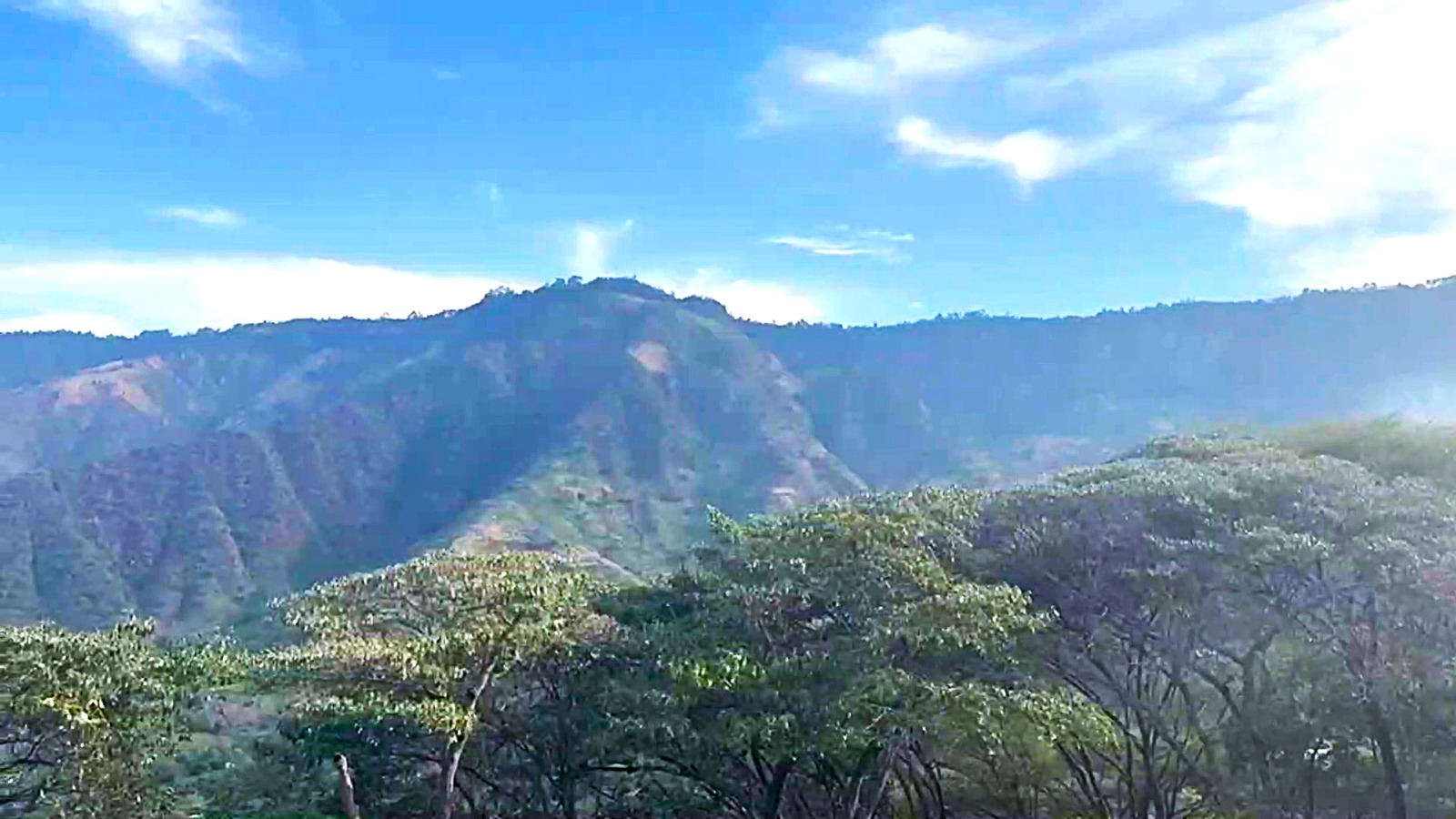
CHEPYOGOT, KEIYO NORTH, ELGEIYO MARAKWET: Ancient trees tower over the cool slopes of the Elgeiyo Escarpment, their thick trunks and wide branches telling a story of generations that have passed through Chepyogot Village.
For years, these trees have remained standing because of a simple tradition among the Kamok clan: the forest must be protected.
This is Kiptorok Community Forest, a sacred place where indigenous knowledge, taboos and unwritten community laws have been passed from one generation to another.
There are no government guards protecting the forest. The community itself has taken on that responsibility.
Trees are not harvested. When an old tree falls naturally, it is left where it falls to rot. It is not taken for firewood or timber. The practice discourages cutting and protects the character of the forest.
The result is a cool, green refuge where birds fill the trees with their calls, while baboons, colobus monkeys, snakes and other wildlife share the habitat. The forest also has water sources that continue to flow, making its protection important to the community and the surrounding environment.
Mary Kipyego and Jackson Kipsanai Arap Luka are among the family custodians keeping the tradition alive. They say they inherited the forest intact and have a responsibility to pass it on in the same condition.
Their hope is that their children will protect it as they have done, and that the responsibility will continue through future generations.
Joseph Kimeli, Centre Director at AIC Cheptebo Rural Development Centre, praised the community for preserving the indigenous knowledge that has protected the forest for generations.
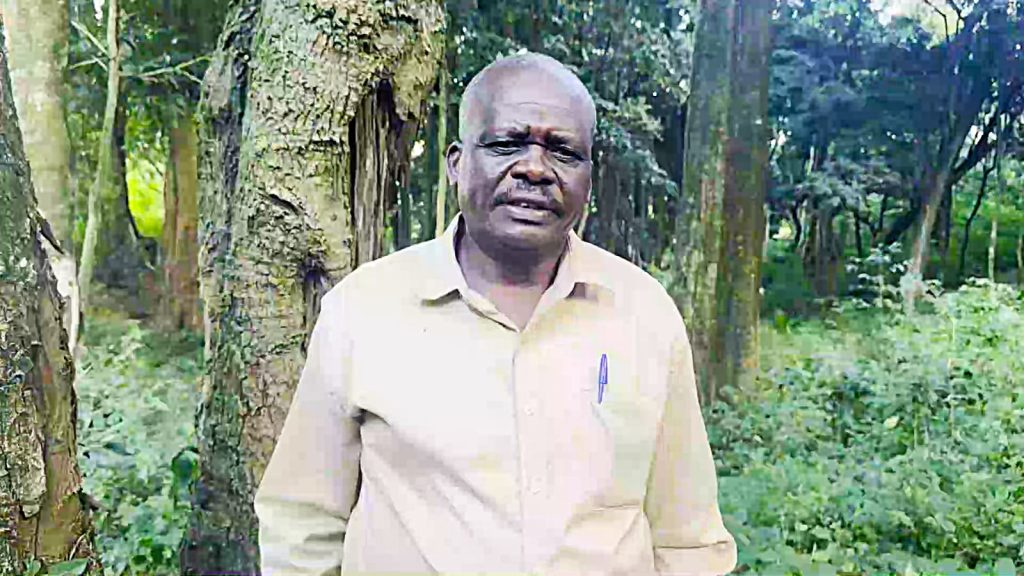
He said the ancient trees give the area a special ambience and urged other communities to embrace conservation, saying it is not too late for nature to recover if communities take responsibility for protecting their environment.
Stephen Kibet of the Eldoret Iten Water Fund said the organisation is working with farmers to promote environmental conservation and the protection of water sources.
Kibet said households can play a major role in restoring nature by setting aside part of their land for trees. He said if every household allocated at least 10 percent of its land to trees, nature would have an opportunity to regenerate.
But beyond Kiptorok, the wider Elgeiyo Escarpment is facing serious pressure.
Encroachment and loss of vegetation have left sections of the escarpment bare, raising concerns over soil erosion and the threat of landslides.
The custodians are calling on government agencies, conservation organisations and other stakeholders to move quickly to protect the escarpment, restore vegetation and safeguard its water sources.
Kiptorok shows what can happen when conservation becomes part of community culture. Its ancient trees have survived because generations respected the rules that protected them.
The custodians now want the same responsibility to continue.
What they inherited from their ancestors, they say, must remain intact for their children and for the generations that will follow.