Africa Pushes for Harmonised Payment Rules to Unlock Seamless Cross-Border Transactions
By Carolyne Tomno
AfricaNenda and African Union are calling for stronger regulatory cooperation as journalists are urged to spotlight the real-life impact of instant payment systems on consumers and underserved communities.
Africa’s ambition to build a seamless digital payments ecosystem will depend not only on technology but also on harmonised regulations, stronger institutional collaboration and payment systems that respond to the needs of ordinary people, policymakers and financial inclusion advocates have said.
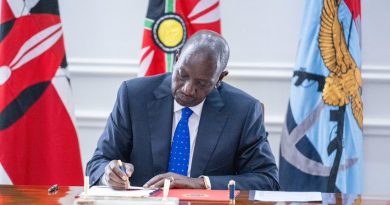
Dr Patrick Olomo, Head of Economic Policy and Sustainable Development at the African Union Commission, said effective digital payment systems were critical to reducing fragmentation and financial exclusion across the continent.
Olomo said the African Union Commission and AfricaNenda Foundation have been working together since 2023 to advance regulatory harmonisation, with the aim of facilitating seamless digital payments across African countries.
Regulatory fragmentation remains a significant obstacle to connecting payment systems across borders, potentially limiting the ability of individuals and businesses to transact efficiently across different markets.
Harmonised rules could help bridge these gaps, making it easier for payment service providers to connect their systems and enabling consumers and businesses to send and receive money across borders more seamlessly.
The initiative comes as African countries seek to deepen financial inclusion, expand digital commerce and strengthen regional trade through inclusive instant payment systems (IIPS).
From advocacy to implementation
Jacqueline Jumah, Director of Advocacy and Capacity Development at AfricaNenda Foundation, said the foundation’s three-year regulatory harmonisation initiative had progressed from advocacy towards implementation following consultations, research and a feasibility study across the continent.
The shift signals the need to translate policy discussions into practical regulatory arrangements that can support interoperability between national payment systems.
For countries seeking to connect their systems, harmonisation involves addressing differences in regulatory requirements, participation rules and other frameworks governing digital payments.
Without greater coordination, these differences risk undermining efforts to establish a more integrated African payments market. She said
The broader objective is to create an environment in which financial service providers can connect more effectively while consumers and businesses benefit from accessible, affordable and reliable transactions.
Why inclusive instant payments matter
Inclusive instant payment systems are increasingly viewed as critical national digital infrastructure, with implications extending beyond financial services. John Muthiora, Technical Payment Specialist Inclusive instant payment systems are built through leadership, collaboration and long-term commitment and not technology alone.
financial inclusion can be advanced by making digital transactions more accessible to underserved populations, including people and businesses with limited access to traditional banking services.
Journalists urged to put consumers at the centre
Sabine Mensah, Deputy Chief Executive Officer of AfricaNenda Foundation, urged journalists to amplify the experiences of consumers who are often absent from policy discussions on digital financial inclusion.
She challenged the media to move beyond reporting technological advances and transaction statistics to examine how payment systems affect people’s daily lives, particularly those in underserved communities.
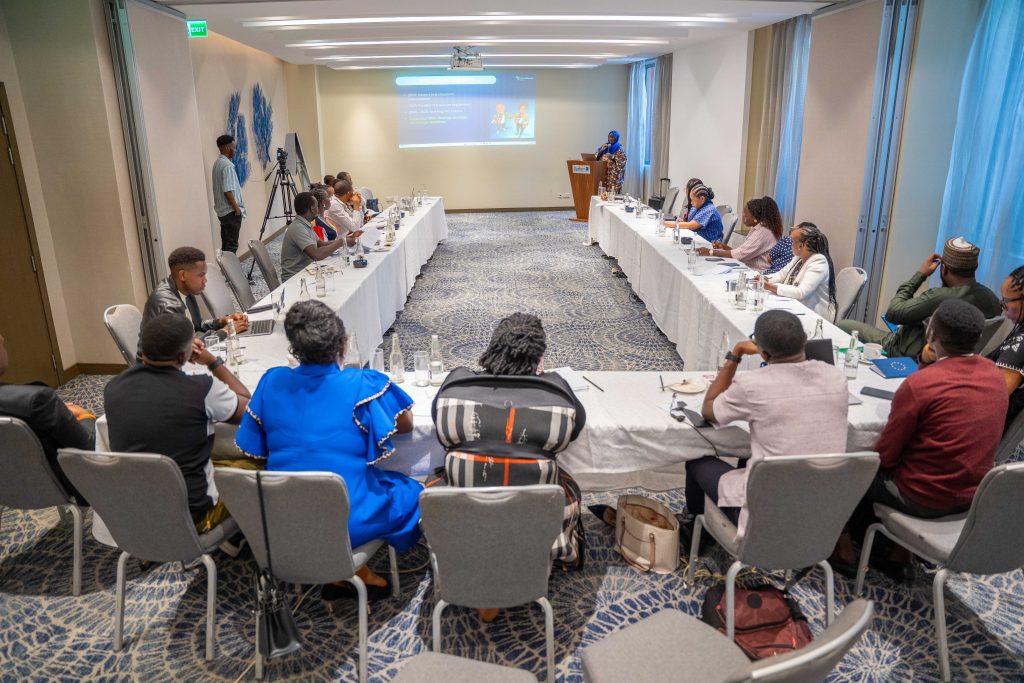
Jude Funhwi the media lead at Nenda Africa highlighted the importance of consumer protection .He said Journalists covering digital payments must look beyond technology and transactions and business interests to determine who benefits from financial inclusion.
He said reporting should identify the challenges users face, examine proposed solutions and establish whether those solutions are working in practice.
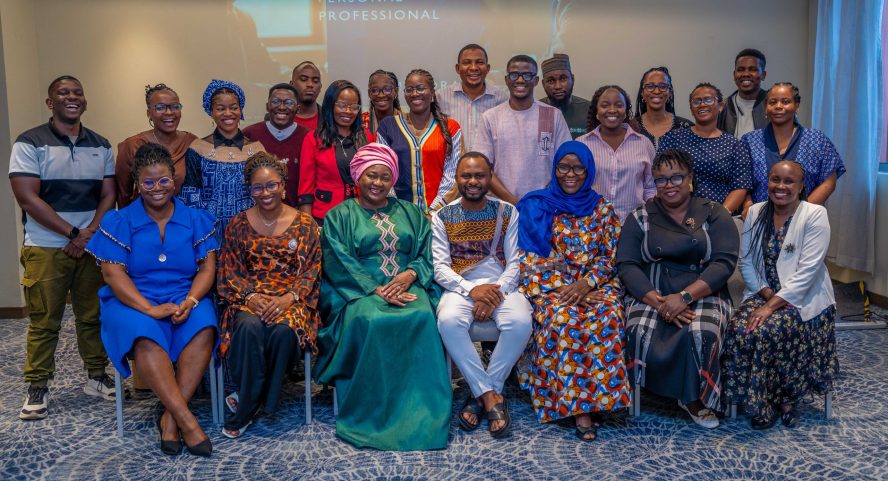
The three Media workshop held in Nairobi brought together Journalists from several African countries including Malawi,Sierra Leone, Nigeria,Zimbabwe, Tanzania,South Africa,Zambia,South Sudan,Ghana ,Cameroon,Botswana and Kenya