
Forest Restoration and Environmental Education Initiative
By Shadrack Mutai | NAIROBI,
Prudential Life Assurance Kenya (“Prudential Kenya”), a subsidiary of leading Asia and Africa insurer Prudential plc (“Prudential”), and MDRT (Million Dollar Round Table), a global association of the world’s leading life insurance and financial services professionals, are investing USD 25,000 (KES 3.2 million) towards forest restoration and environmental education in Kenya.
The investment was made possible by Prudential’s premier sponsorship with MDRT, a global partnership that supports adviser development and professional excellence across Prudential’s markets. It follows the annual Prudential Africa and MDRT Conference that took place on 10-11 August in Nairobi, and comes at a critical time, as Kenya’s forest cover remains below the country’s constitutional target of 10 per cent, with forests covering approximately 8.8 per cent of its land area1.
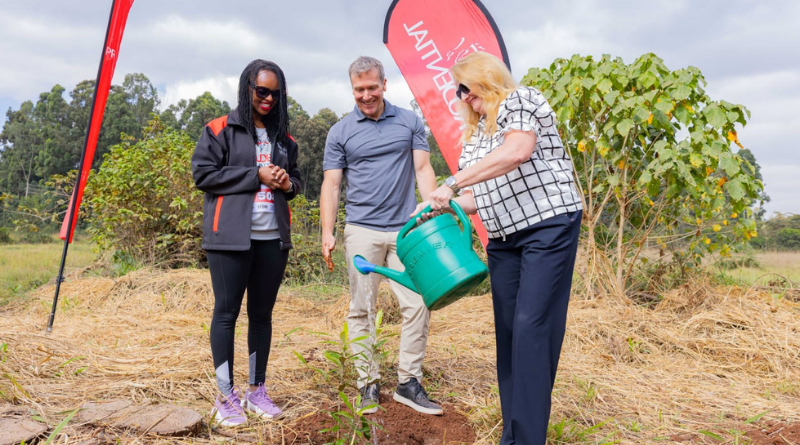
Through Friends of Karura Forest, a leading conservation organisation, the investment aims to support efforts to restore and protect one of Nairobi’s most important natural assets. Specifically, it will fund the planting of approximately 2,155 indigenous trees in Karura Forest, strengthen environmental education and engage communities in climate action.
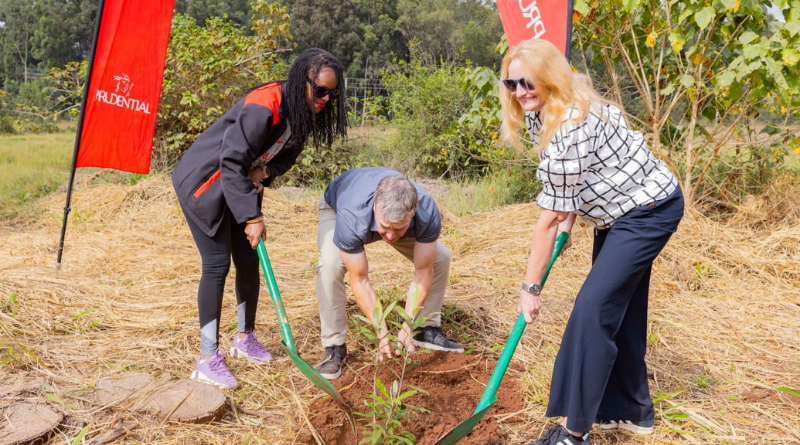
Spanning more than 2,500 acres, Karura Forest is one of the world’s largest gazetted urban forests. As a carbon sink in the East Africa region, it plays an important role in safeguarding water catchments, supporting biodiversity and providing green public spaces for millions of Nairobi’s residents.
In addition to forest restoration, this investment also aims to enhance sustainable environmental awareness among young people by supporting Competency-Based Curriculum (CBC) environmental education sessions for around 720 learners, delivered in collaboration with the Karura Forest Environmental Education Trust (KFEET).
Gwen Kinisu, CEO and Managing Director of Prudential Kenya, said: “At Prudential, sustainability is central to how we support communities and build long-term resilience. This investment reflects our commitment to practical partnerships that protect vital natural ecosystems, expand environmental education and create meaningful value for the people and communities we serve across Kenya.”
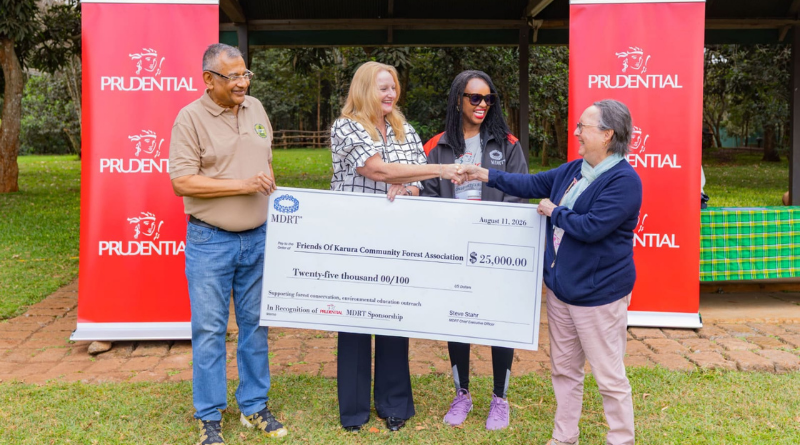
Rita Knapp, corporate sponsorship manager of MDRT, added: “At MDRT, we believe that creating lasting impact means supporting community initiatives in ways that extend well beyond financial services. We are proud to support Prudential and Friends of Karura Forest in restoring one of Kenya’s most important urban ecosystems. This investment reflects our shared commitment to sustainability and environmental stewardship.”
Chantal Mariotte, Chairperson Karura Science Advisory Committee said: “Karura receives 75,000 visitors every month, providing a space for people to exercise, learn and reconnect with nature. Investments such as this help ensure the forest can continue benefitting communities, while creating opportunities through employment, environmental education and participation in conservation efforts.”
The investment builds on Prudential’s ongoing efforts to strengthen climate resilience and reflects the broader values underpinning its partnership with MDRT – supporting excellence, responsibility and whole-person development both within the profession and beyond. It also aligns with Prudential’s mission of being a trusted partner and protector for this generation and generations to come – for its customers, agents and the communities it serves.
This commitment is further reflected in Prudential’s response to climate-related emergencies, as well as its longer-term investments in community resilience. Following the floods that affected Kenya in 2024, Prudential and its community investment arm, Prudence Foundation, contributed approximately KES 9.3 million2, alongside food donations and employee fundraising, to support affected communities.
Prudential is also working to reduce the environmental impact of its operations. Between 2016 and 2024, Prudential reduced its Scope 1 and Scope 2 carbon emissions by 59 per cent3, while emissions intensity per employee fell by 77 per cent4, reflecting its commitment to building a more sustainable future across Asia and Africa.