“I didn’t know it stayed in the body all this time”: the woman who went nearly 30 years without treating her hypertension
By Chemtai Kirui
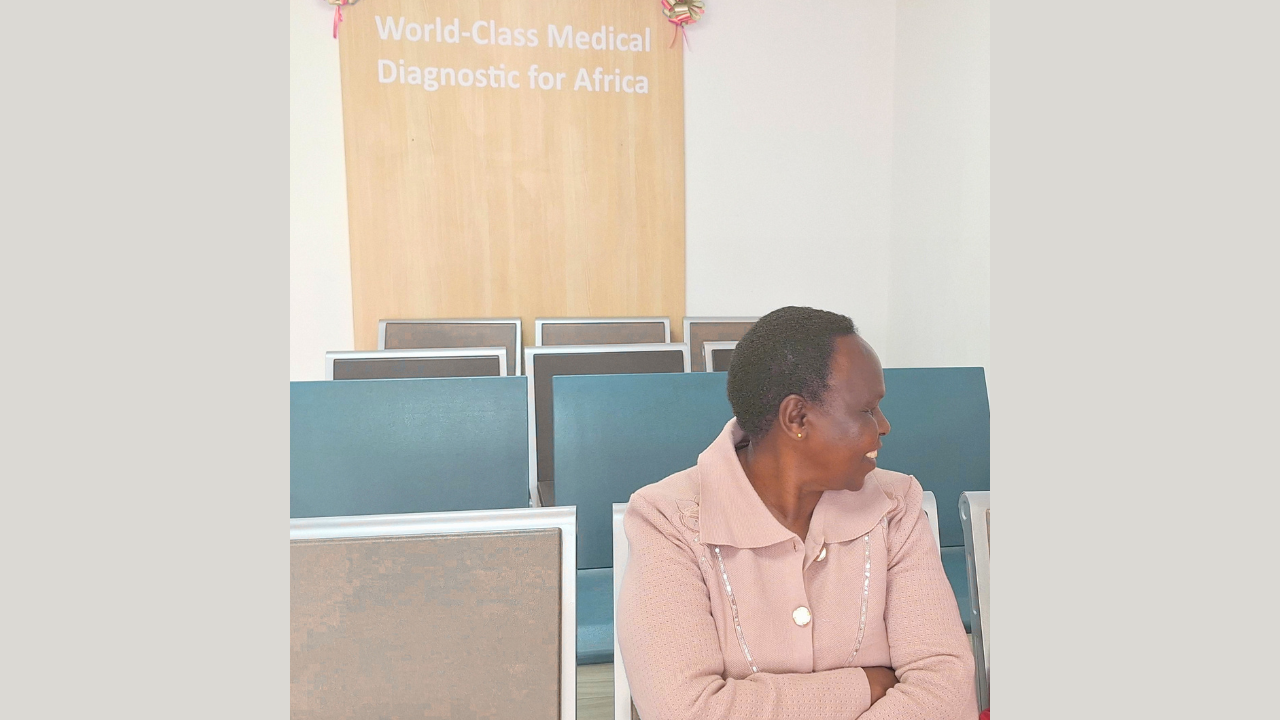
It was a toothache that took Loyce Memo Bot Chumba back to hospital.
In January 2025, the pain had become so bad that the home remedies she had been using – chewing roots and applying herbs to the tooth – were no longer working. She walked into Turbo subcounty hospital expecting to have the tooth treated.
At the triage desk, a nurse wrapped a cuff around her arm and took her vital signs. The machine showed a systolic reading above 200 mmHg. The nurse told Bot Chumba to see the doctor immediately.
Instead, Bot Chumba walked past the doctor’s door and went home.
“I was shocked to hear I still have this thing in me,” she says. “I thought since ’97 it surely had gone away. I didn’t know it stayed in the body all this time.”
The first time she remembers being told she had high blood pressure was in April 1997,about four months after giving birth to her second child. She had a persistent headache and remembers feeling unusually tired and unwell.
At the time, Bot Chumba had stopped working and money in the household was scarce. There were days when there was not enough food for the children. The father of her children was not providing regular support.
Her brother David gave her KSh2,000 to go to hospital while she was visiting her parents in Kitale.
She first went to Kitale hospital, but the queue was long, so she went instead to a private doctor in town.
“At Dr Murgor’s clinic, with consultation and medication, I spent KSh1,500,” she says.
When the doctor gave her the prescription, he also told her: “Hii dawa mpaka ukule vizuri” – you must eat well with this medicine.
The pharmacist told her not to take the tablets on an empty stomach.
“I thought maybe what I had meant a lack of blood in the body … and that you are supposed to eat well, but I didn’t even have enough money to feed my kids,” she says.
She had KSh500 left from the KSh2,000 her brother had given her. She estimated that the medicine could cost about KSh1,000 a month.
“I used to hear that if you start medicine and then fail to get it, you could die,” she says.
There was food to buy. There was transport. There were children to feed.
“Right then I saw I couldn’t manage. I didn’t have money,” she says.
She threw the medicine away when she got home.
She never started treatment.
Around 2000, she gave birth to her third and final child at home with the help of a traditional birth attendant. There was no nurse to check her blood pressure.
In the years that followed, whenever she fell sick, she went to local chemists for over-the-counter medication.
“They didn’t question much anyway,” she says. “When I get fatigued, I will request for malaria medicine, or if it’s a headache alone, I will ask for painkillers.”
She raised her children and continued farming in rural Turbo. There was no regular monitoring of her blood pressure and no treatment to control it.
Her toes would go numb. Sometimes her right leg seemed to seize or cramp. She became tired and breathless after walking short distances.
“My toes were numb and right leg would freeze … how do I explain it? It’s tamoket,” she says, using the Kalenjin word for seizing or cramping.
By then, her children were grown and working, and their father had died. Bot Chumba lived at home in rural Turbo with her nine-year-old grandchild, spending her days caring for the girl and tending to her mixed farm.
One of the jobs she had once enjoyed was walking her granddaughter to the roadside to catch the school bus. Eventually, she was walking so slowly that the child began going ahead without her.
At night, Bot Chumba began waking repeatedly to urinate. She stopped drinking the tea she enjoyed in the evening and reduced the amount of water she drank, hoping to sleep through the night.
She put some of the changes down to age.
“I have been seeing my mother with these symptoms, so I thought this is how it goes with age,” she says.
Some of the symptoms can have other causes. Dr Gedion Kiprono, a medical officer in Gilgil Subcounty, says frequent urination can be associated with diabetes, while numbness in the feet can occur with peripheral neuropathy. Difficulty walking can have neurological, musculoskeletal or vascular causes.
“Establishing whether there is acute target-organ damage requires clinical assessment,” he says.
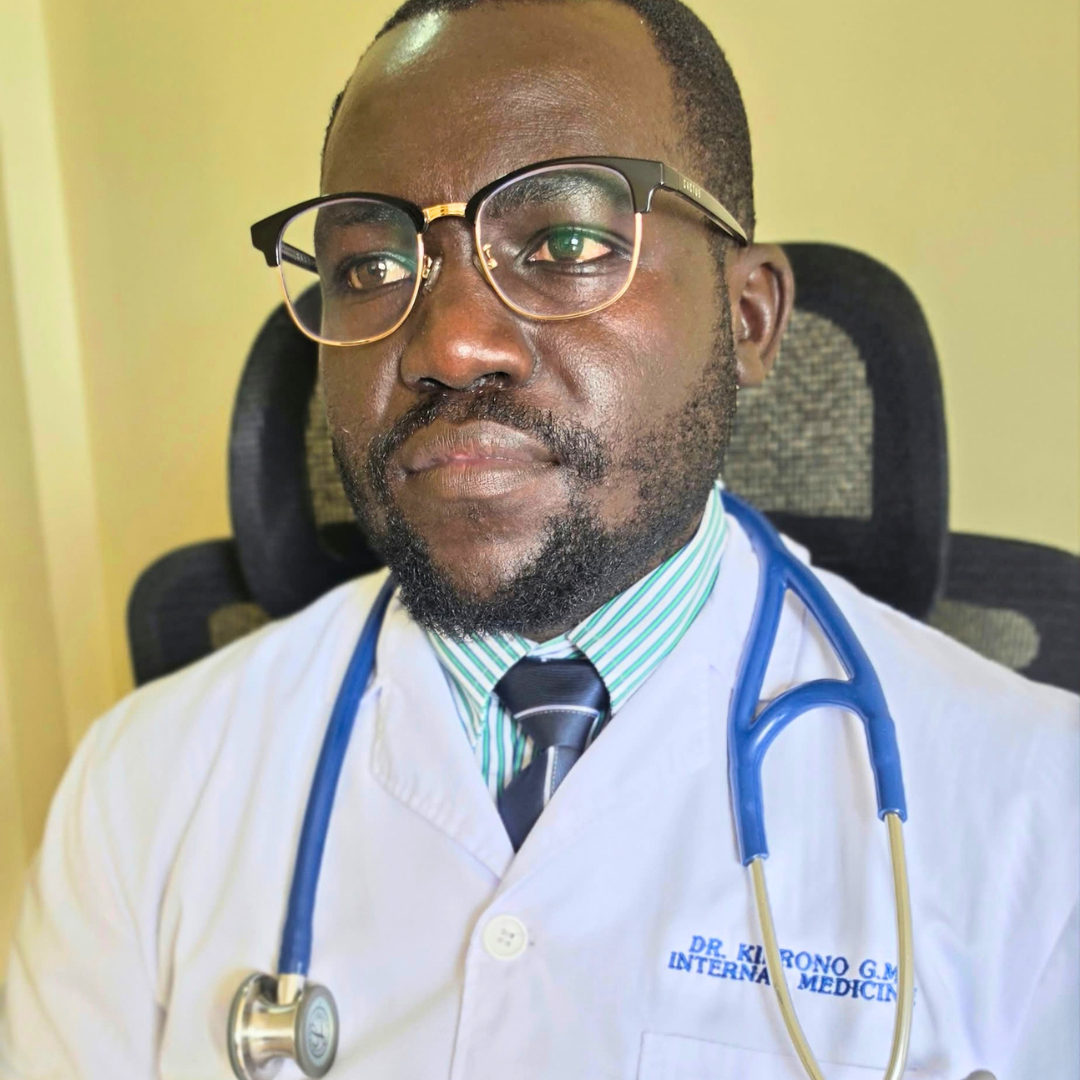
A systolic reading above 200 mmHg is severely elevated, Kiprono says. Blood pressure of 180/120 mmHg or higher requires prompt medical assessment, including assessment for possible damage to organs such as the heart, brain and kidneys.
It was only when Bot Chumba visited her eldest daughter in Nairobi in December 2025 that someone else became concerned about how much her mother had changed.
Her daughter was frightened by how frail she looked. She was also concerned by how often Bot Chumba was getting up at night to use the bathroom.
Two days after her arrival, her daughter took her for a series of tests at Lancet’s facility on Ngong Road, including cardiac investigations, kidney-function tests and screening for diabetes.
Her kidney function was normal. She did not have diabetes, although some results were in the prediabetes range.
Her systolic blood pressure, however, remained in the 200s.

An electrocardiogram (ECG) at Lancet showed voltage criteria for left ventricular hypertrophy, an electrical pattern that can be associated with a thickened heart muscle.
Lancet recommended that she see a cardiologist.
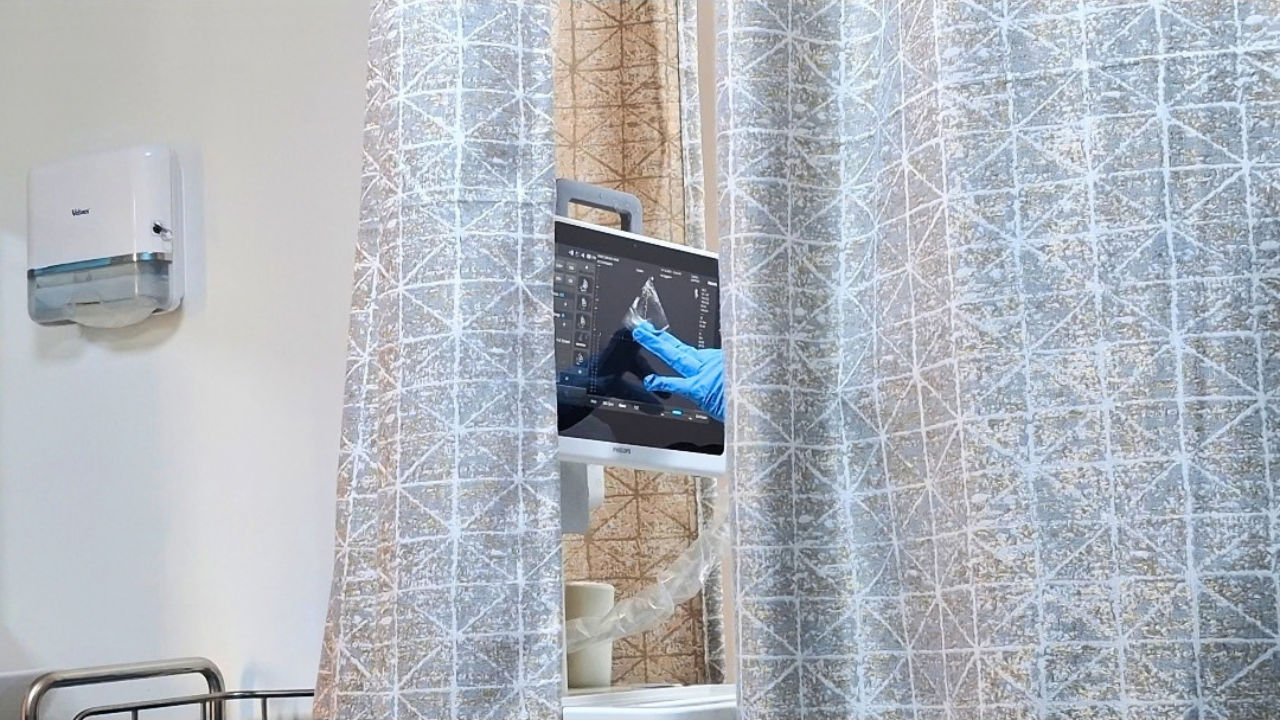
At the Cardiothoracic, Gastro and Rheumatology Specialist Center Limited in Nairobi, Dr Anne Mugera performed a cardiac ultrasound, which showed left ventricular hypertrophy – a thickening of the heart muscle that can develop when the heart has to work harder against persistently high blood pressure.
The cardiologist started her on antihypertensive treatment, prescribing Amtel 80/5, a combination of telmisartan and amlodipine.
“Years of uncontrolled high pressure can force the heart to work much harder to pump blood, causing the muscle of the heart’s main pumping chamber to thicken – a condition called left ventricular hypertrophy,” Kiprono says.
Prolonged uncontrolled hypertension can damage the heart and other organs, he says.
Bot Chumba began taking the medicine.
By the middle of 2026, the nighttime trips to the bathroom had stopped, the cramping in her legs had eased and she could walk farther without stopping.
Her younger daughter bought her an automatic upper-arm blood pressure monitor. Bot Chumba began checking her pressure at home and writing down the readings to take to hospital.
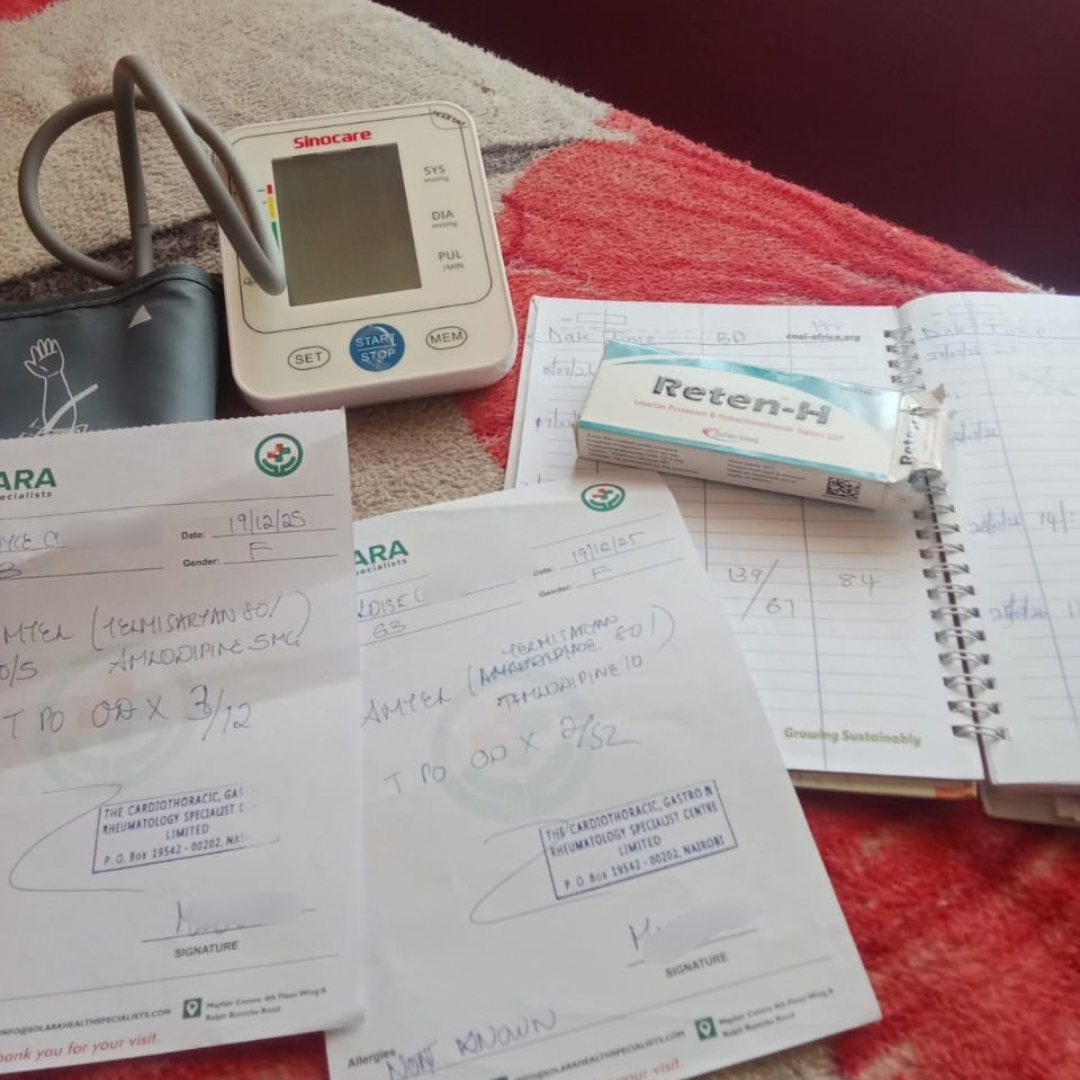
In June, when KASS Media interviewed her, her systolic readings were generally between 137 and 145 mmHg.
But the prescription she had received from the Nairobi cardiologist had lasted only until January. She had been prescribed Amtel 80/5, which she says cost about KSh3,000 a month.
When the tablets ran out, she returned to Turbo hospital.
She continued going to the hospital each month, but the prescription changed from one visit to the next. Bot Chumba says she often had to explain her condition again and, sometimes, was issued a new patient card.
In Kenya’s 2023 May Measurement Month campaign, 4,601 adults were screened across nine counties. Of the 1,176 people found to have hypertension, 190 were taking antihypertensive medication and 65 had controlled blood pressure. The campaign was not nationally representative.
By September, when KASS Media interviewed her again, her systolic blood pressure was once more reaching 200.
She had also enrolled in the Social Health Authority scheme so she could continue getting treatment. But cover did not always mean the medicines she needed were available at the hospital pharmacy. When they were not, she had to find the money to buy them at a local chemist.
During the nurses’ strike, which ran from 29 July to 9 September, she went to hospital for a scheduled appointment and found that the doctors were not there. She bought part of her medication from a local pharmacy, dividing the money she had between medicine, transport and livestock feed.
“There was one medicine that really worked with me. I carry those old papers to show the doctors and pharmacists, but it’s not there and I am given another one instead.”
At times, her daughter calls the doctor while Bot Chumba is at the hospital, explaining her mother’s history over the phone and asking what she should do next.
“When I go alone, they don’t speak much to me, just refill a different medication every time. There are a lot of people in line,” she says.
Now, Bot Chumba says she is taking Reten-H (losartan 50mg and hydrochlorothiazide 12.5mg) and Nifelong ER-20 at different times of the day, one at noon and the other at about 7pm.
Her daughter has become concerned about how she is taking the tablets. She has started looking up the medicines herself and urged her mother to return to the clinic.
Bot Chumba says she will ask the doctor about the rising readings at her next hospital visit.
Hypertension is chronic and requires ongoing treatment and monitoring, even when a person feels better.
“Feeling better, or seeing the numbers come down, does not mean the condition has gone away,” says Kiprono. Patients should not stop or change their medication without consulting a healthcare professional.
In 1997, Bot Chumba had no idea that the pressure in her blood could be rising without making her feel ill.
“I want people to know that they shouldn’t ignore pressure,” she says. “If you discover you have pressure, it is better to go to the hospital.”
Now she checks it herself.
On the morning of her most recent follow-up interview, she sat down and wrapped the cuff around her upper arm. She waited for the machine to finish.
The reading was 163.
Bot Chumba looked at the number.
“I can get a stroke with these kinds of numbers, you know?” she says.