Treasury unveils record KSh 4.8 trillion spending plan as growth forecast weakens
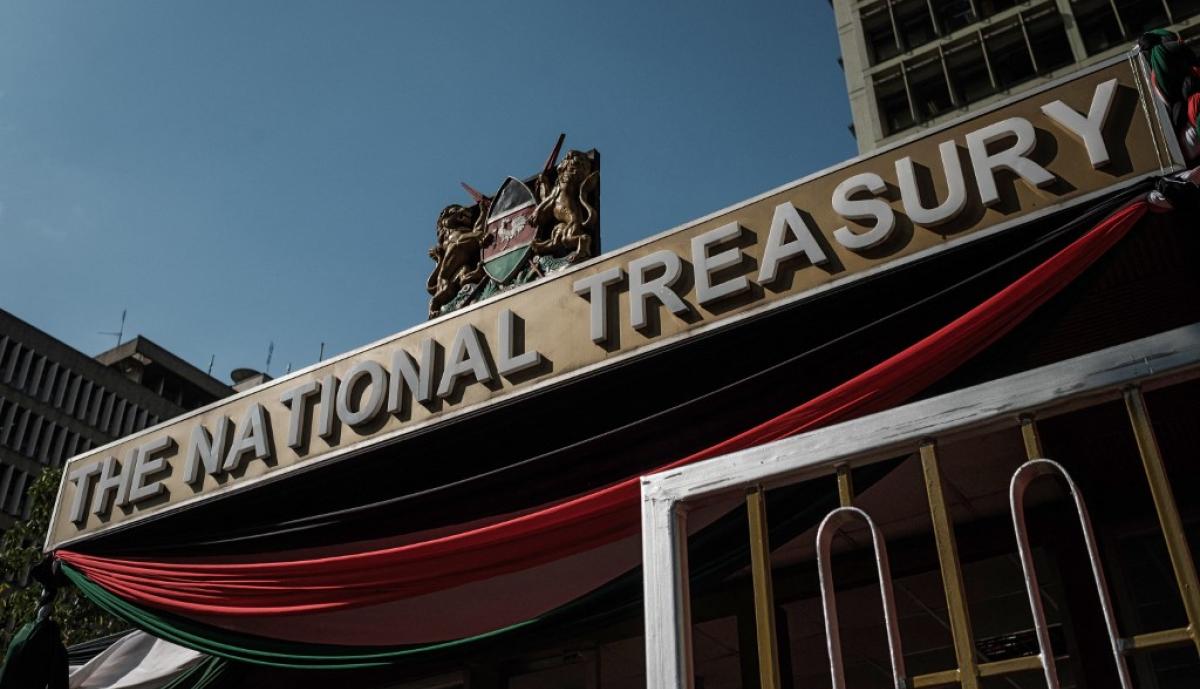
NAIROBI — The National Treasury plans to spend a record KSh 4.8 trillion in the 2026/27 financial year, increasing borrowing needs as higher fuel prices, rising costs and slower growth put additional pressure on public finances ahead of next week’s budget presentation.
Treasury Cabinet Secretary John Mbadi is scheduled to present the budget statement to parliament on June 11, outlining a spending plan that projects a fiscal deficit of about KSh 1.1 trillion.
Budget documents show total expenditure of about KSh 4.82 trillion against projected revenues of KSh 3.63 trillion, leaving the government reliant on domestic and external borrowing to bridge the gap.
The proposed expenditure has risen from the KSh 4.737 trillion aggregate ceiling outlined in the Treasury’s March 2026 Budget Policy Statement to KSh 4.82 trillion in the final FY 2026/27 budget estimates submitted to parliament.
The spending plan comes as the Treasury cuts its 2026 economic growth forecast to 5.0% from 5.3%, citing higher production costs linked partly to rising fuel prices and instability in the global economy.
Global crude oil prices climbed from an average of about KSh 8,150 (USD 63) per barrel in February to nearly KSh 12,935 (USD 100) by April following renewed geopolitical tensions in the Middle East, according to Treasury estimates.
The increase fed into domestic fuel prices, with petrol rising to KSh 197.60 per littre and diesel reaching KSh 196.63 per litter, adding costs for transporters, manufacturers and farmers.
Inflation rose to 5.6% in April, compared with 4.1% a year earlier.
Under the proposed expenditure framework, the national government would receive KSh 2.89 trillion, while county governments would receive KSh 420 billion, up slightly from the previous financial year.
Another KSh 1.5 trillion has been allocated to Consolidated Fund Services, largely for debt repayments and other statutory obligations, highlighting how much of public spending is already committed before new priorities are funded.
Security remains one of the government’s biggest spending priorities, with the sector allocated KSh 566 billion. Defence spending is projected to increase further over the next four years, reaching about KSh 250 billion.
The Treasury plans to finance part of the deficit through KSh 995.7 billion in domestic borrowing and KSh 116.2 billion from external sources, according to the FY 2026/27 Budget Summary submitted to parliament.
Analysts and development lenders have warned that large government borrowing requirements can crowd out private-sector credit as banks channel more money into government securities.
The budget also remains heavily weighted toward recurrent expenditure.
Treasury estimates show recurrent expenditure will absorb KSh 3.54 trillion, while development spending is capped at KSh 749 billion.
At the same time, Treasury reviews show development spending had reached only 58.3% of target by March, despite larger allocations.
Speaking at the Government and Public Sector Industry Project Management Conference 2026 in Nairobi, Maureen Mbithi Ochang said the challenge facing public investment was not a shortage of plans but the ability to deliver them.
“Kenya does not suffer from a shortage of vision,” she said. “The real question before us is this: How do we execute better?”
The spending plans are being reviewed by parliament’s Budget and Appropriations Committee ahead of next week’s budget statement.
Chairperson of the National Assembly’s Budget and Appropriations Committee Samuel Atandi has backed proposed county allocations, including KSh 75.69 billion in additional county funding to be processed through separate legislation.
The spending plans are being considered alongside the Finance Bill 2026, which contains revenue measures intended to support the budget. Mbadi has rejected claims that the bill introduces new taxes on mobile phones and bottled water, saying some proposals have been mischaracterized during public debate.
The proposed budget would be the largest in the country’s history, increasing total expenditure by more than KSh 400 billion from the current financial year’s approved estimates, even as debt-servicing costs continue to rise and pressure mounts to complete stalled projects.
Treasury-cited International Monetary Fund assessments show many ongoing public projects remain unfinished, leaving the government under growing pressure to prioritise existing commitments over launching new ones.