Rwanda to route fuel imports through Mombasa under transit deal
Government says deal will boost the Northern Corridor as fuel transit volumes to Rwanda are expected to increase more than tenfold.
NAIROBI – The government has signed agreements with Rwanda allowing the landlocked country to import refined petroleum products through the Port of Mombasa and the national pipeline network under a government-to-government framework. The move is aimed at strengthening Nairobi’s position as a regional energy hub and reclaiming transit business from competing trade routes.
The agreements, signed on Monday, comprise a Memorandum of Understanding, a Tripartite Agreement and a Transport and Storage Agreement establishing the legal and operational framework for Rwanda’s fuel imports through Northern Corridor.
Energy and Petroleum Cabinet Secretary Opiyo Wandayi said the arrangement would fully open the Northern Corridor for Rwanda’s petroleum imports while deepening economic integration within the East African Community.
“The first cargo under this framework is expected to arrive at the Port of Mombasa in September,” Wandayi said.
Annual fuel volumes transiting through the Northern Corridor to Rwanda are expected to rise to more than 500,000 cubic metres from about 42,000-50,000 cubic metres, according to the Energy Ministry.
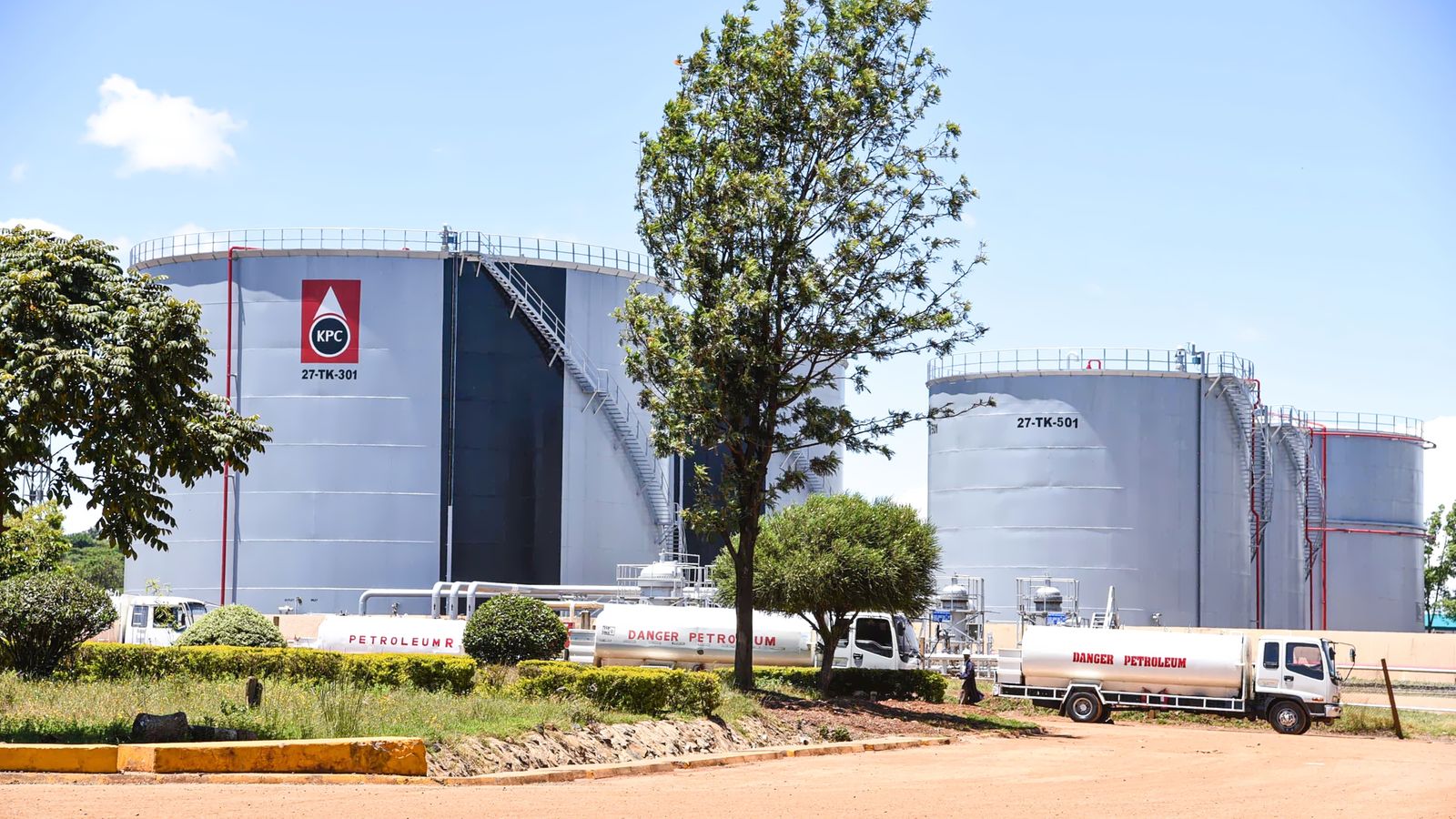
To support the increased volumes, the Kenya Pipeline Company (KPC) has extended the storage period for Rwanda-bound petroleum products from 35 days to 90 days for an initial two-year period.
Under the arrangement, Rwanda’s state-owned Rwanda National Energy Company (RNEC) has been registered locally and licensed by the Energy and Petroleum Regulatory Authority (EPRA) to import petroleum products under the government-to-government framework.
The first shipment under the new arrangement, designated RNEC 001/2026, is scheduled to arrive at the Port of Mombasa between Sept. 4 and Sept. 6.
The agreement forms part of the government’s broader strategy to position its port, pipeline and storage infrastructure as the preferred energy transit route for landlocked countries in East and Central Africa.
The Northern Corridor has faced increasing competition in recent years from Tanzania’s Central Corridor, which has attracted a larger share of regional cargo destined for Rwanda and neighbouring countries.
For Rwanda, the agreement is expected to provide a more predictable fuel supply chain through direct cooperation between state institutions, while making greater use of existing pipeline and storage infrastructure.
The deal also has wider regional implications because Rwanda serves as a distribution point for petroleum products destined for parts of eastern Democratic Republic of Congo, extending the reach of supplies transported through the Northern Corridor.
The government introduced the government-to-government fuel procurement model in 2023 to improve fuel security and ease pressure on foreign exchange demand.
The framework has since attracted scrutiny and legal challenges, but the government says it provides greater supply certainty and price stability.