Ruto orders crackdown on foreign nationals in small-scale trade
President William Ruto has ordered a nationwide crackdown on foreign nationals operating small shops and hawking businesses, with enforcement due to begin on Monday, September 7.
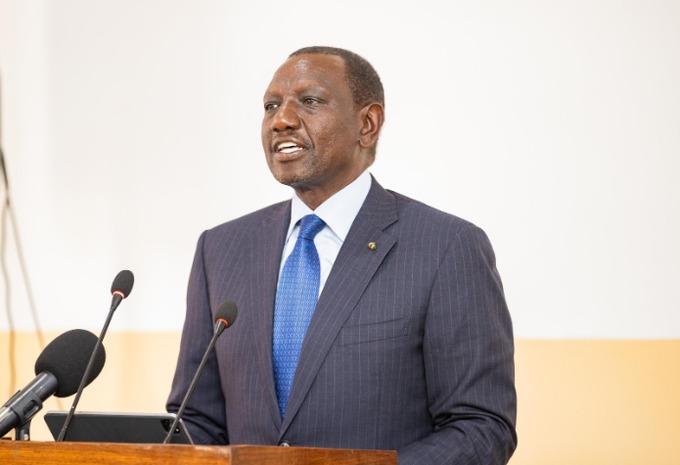
Ruto issued the directive on Wednesday during a meeting with micro, small and medium-sized enterprises at State House in Nairobi, after traders raised concerns about foreign nationals competing with Kenyans in small-scale businesses.
“From next week … Monday begin that crackdown,” Ruto told Trade Cabinet Secretary Lee Kinyanjui, who was in Addis Ababa at the time.
The president said Kenya would continue to welcome foreign investment, but argued that foreign capital should go into manufacturing and other businesses that create jobs and expand production rather than small-scale retail.
“We have not improved investor confidence for hawkers to come to Kenya,” Ruto said.
The directive comes as parliament considers the Local Content Bill, 2025, which proposes new requirements for foreign companies operating in the country, including local sourcing and employment targets.
Under the Bill, foreign companies would be required to source at least 60% of specified locally manufactured goods and listed services from local companies, where the required standards are met, and employ at least 80% Kenyan citizens.
The Bill is still before parliament and is not yet law.
Ruto told the traders that legislation should identify the businesses foreigners would not be allowed to operate and directed Kinyanjui and National Assembly Majority Leader Kimani Ichung’wah to help move the process forward.
Ruto did not give a detailed list of the businesses covered by Monday’s enforcement exercise or explain how the affected traders would be identified. His remarks referred broadly to hawking and small shops.
The meeting also produced changes aimed at reducing the cost of importing goods through consolidated cargo.
The Kenya Revenue Authority will reduce the benchmark for general consolidated cargo from Sh2.5 million to Sh2 million, while rates for ready-made garments, footwear and fabrics will remain unchanged.
The government will also remove the Advance Cargo Declaration requirement and publish a list of goods that will not qualify for general consolidation.
For cargo transported from the Inland Container Depot to the Bomaline De-consolidation Centre, Kenya Railways will immediately cut the charge from Sh58,000 to Sh10,000 per container.
Cargo consolidators will have to undergo fresh vetting and registration by KRA and submit lists of the individual traders and importers whose goods they handle. The deadline is October 15.
The government will facilitate designated de-consolidation centers in Nairobi and Mombasa. A committee chaired by the Cabinet Secretary for Investments, Trade and Industry will oversee implementation and report to the president every quarter.
The measures follow complaints from small-scale importers over the cost of clearing consolidated goods, after the benchmark had risen to Sh3.2 million.
The proposed Local Content Bill covers a broader range of activities, including financial services, insurance, construction, transport, warehousing, logistics and security.
Its provisions include requirements on local sourcing and the employment of Kenyan citizens by foreign companies.