
Ruto points to higher farm output as route to lower food costs
The president cited increased maize production, cheaper fertiliser and reduced imports as evidence of progress, while rising food inflation points to the difficulty of bringing down prices across the wider food basket.
NAIROBI — President William Ruto has pointed to higher agricultural production as a way to bring down food prices, citing larger maize harvests, cheaper fertiliser and a reduction in imports.
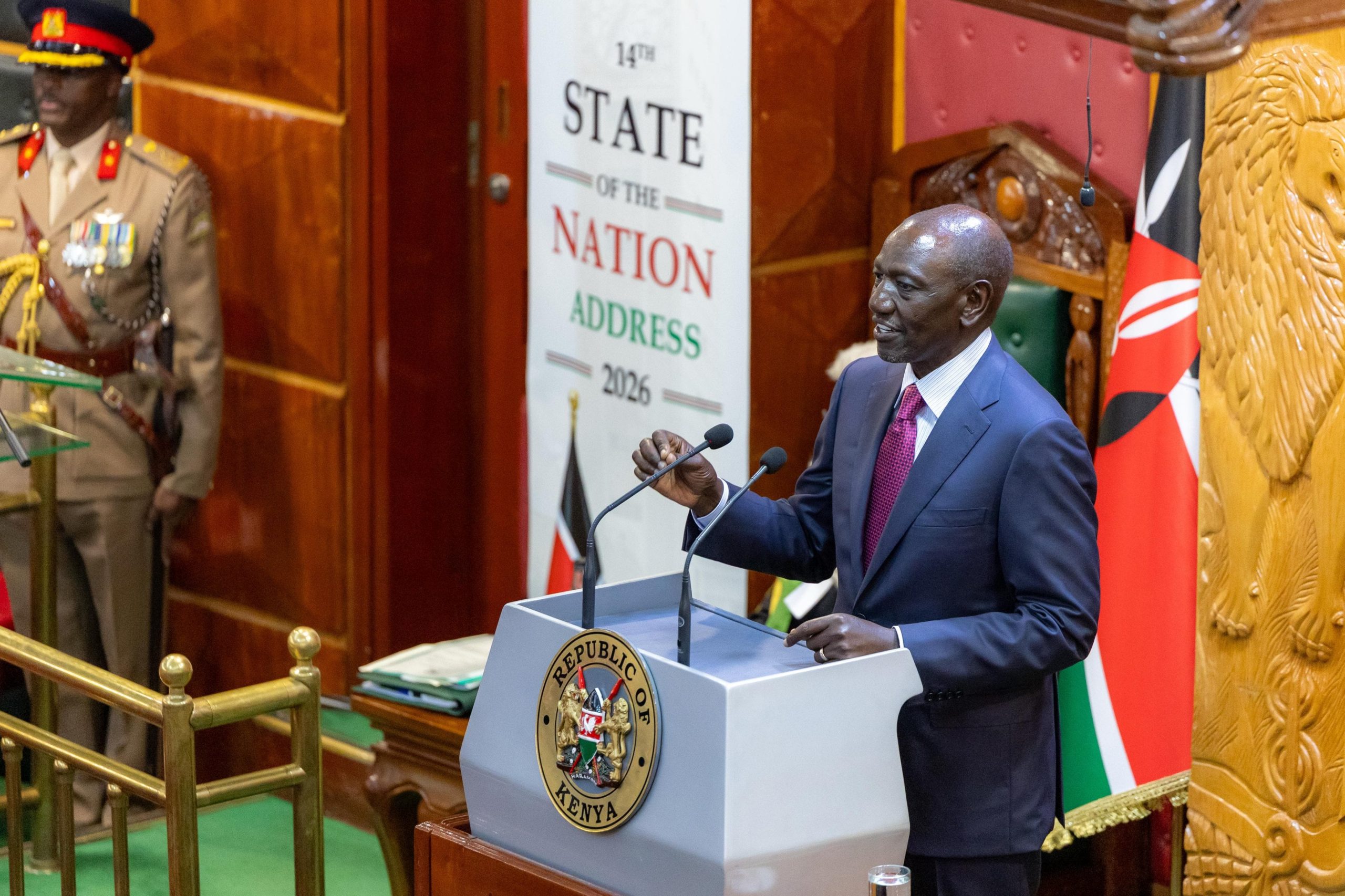
In his fourth State of the Nation address on Wednesday, Ruto said maize production had risen from 44.3 million bags in 2022 to 71 million last year, while maize imports had fallen from 9.9 million to 3.3 million bags. He said the average price of a 2kg packet of sifted maize flour had dropped from KSh230 in September 2022 to KSh152 in September this year.
The government had reduced the price of a 50kg bag of fertiliser from KSh7,500 in 2022 to KSh2,000 and distributed 38.5 million bags through its subsidy programme, Ruto said. Nearly nine million farmers had registered for the scheme, which also provides access to improved seeds, soil testing and agricultural extension services.
Ruto cited Laban Cheptarus, a maize farmer in Rongai, Nakuru county, as an example of the programme’s impact. Cheptarus harvested 125 bags from five acres last year, compared with 75 bags in 2022, the president said, attributing the increase to subsidised fertiliser, improved seeds and advice from extension officers.
But higher production has not removed the country’s exposure to poor harvests. In August, the government announced plans to import up to 25 million 90kg bags of maize to address an anticipated deficit after drought affected major growing regions.
Food inflation also remained high. Annual inflation for food and non-alcoholic beverages reached 10.2% in October, while overall inflation rose to 7.3%, from 6.8% in September, according to the Kenya National Bureau of Statistics. Transport inflation stood at 17.1%, adding to pressure on the cost of moving goods.
The increases were reflected in prices of individual food items. Irish potatoes cost 34.9% more in October than a year earlier, while cabbage prices rose by 29.1% and fresh packaged milk by 14.4%, KNBS data showed.
The October inflation rate was the highest since July 2023, leaving overall inflation just below the Central Bank of Kenya’s 7.5% upper target limit. Ruto acknowledged that renewed pressure from food and energy prices had pushed inflation higher, but said economic stability provided a stronger basis for addressing the cost of living.
The president also cited higher production and earnings in other agricultural sectors. Milk production had risen from 4.5 billion litres to 5.52 billion litres, while dairy export earnings had more than doubled to KSh11.2 billion, he said. The average price paid to farmers for milk had increased from KSh32 to as much as KSh60 a litre last month.
In coffee, the Cherry Advance Revolving Fund had disbursed KSh15.07 billion to 684,000 farmers, providing advances while they awaited payment for their crop, Ruto said. Average coffee cherry prices had risen from KSh69 to KSh130 a kilogramme, while export earnings had doubled from KSh26 billion to KSh52.1 billion.
Tea export earnings increased from KSh163 billion in 2022 to KSh187 billion last year, following changes to the sector’s governance and auction system, according to the president. The government also plans to begin paying a KSh1.2 billion bonus to sugarcane farmers next week.
Beyond farm inputs, Ruto said the government had invested KSh8.5 billion in County Aggregation and Industrial Parks in 34 counties, with 15 completed. It is also developing 600 modern markets, with storage and cold-room facilities intended to reduce post-harvest losses and improve access to markets.
The address also included tax proposals intended to ease pressure on household incomes. Ruto said workers earning KSh32,333 or less a month would be exempt from pay-as-you-earn income tax, while stamp duty would be removed on land transactions worth KSh1 million or less. The PAYE proposal would require legislative changes and would not remove other statutory deductions from workers’ salaries.
On mobile phones, Ruto said the government would remove the 25% import duty. However, the Finance Act 2026 provides for a 25% excise duty payable when a phone is activated, as part of a change intended to replace several existing taxes and levies.
Ruto also pointed to the shilling’s recovery and increased foreign exchange reserves as evidence of improved economic stability. He said the currency had stabilised at about KSh129 to the dollar, compared with nearly KSh162 in 2022, while reserves had risen to US$15.3 billion.
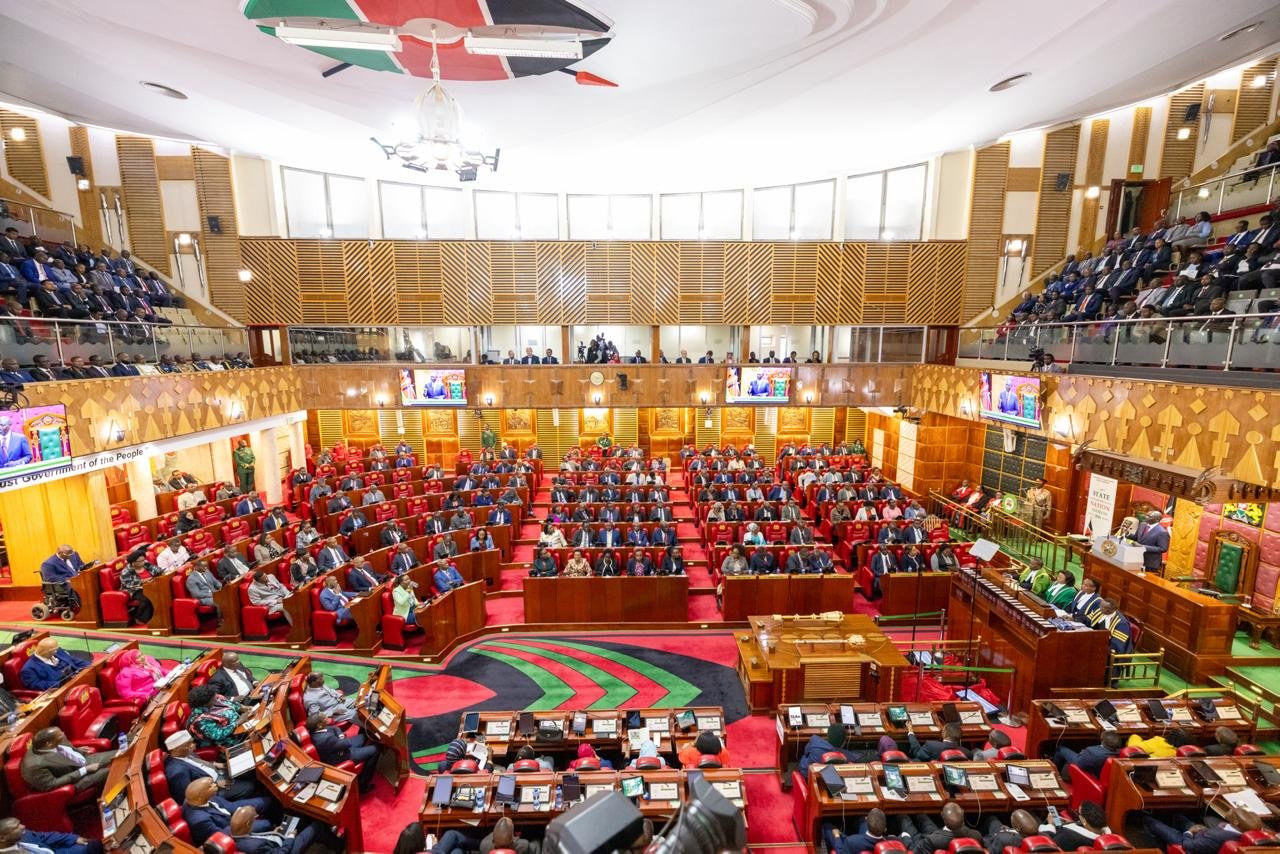
The address was Ruto’s fourth since taking office and the 14th delivered by a Kenyan president since the 2010 Constitution came into effect.
It was his final scheduled State of the Nation address before the 2027 general election.