

BARINGO HEALTH CRISIS EXPOSED:SENATE FINDS SYSTEM IN RUINS
By Tom Chepsoi, Baringo County
The visit by the Senate Standing Committee on Health, chaired by Jackson Mandago, to Baringo County was meant to be a routine oversight tour. Instead, it turned into a sobering encounter with a healthcare system that appears to be collapsing under years of neglect—leaving residents feeling abandoned and unheard.
This came just days after Baringo Governor Benjamin Cheboi failed to honor a Senate summons to answer questions about the state of healthcare in the county, further deepening concerns about accountability.
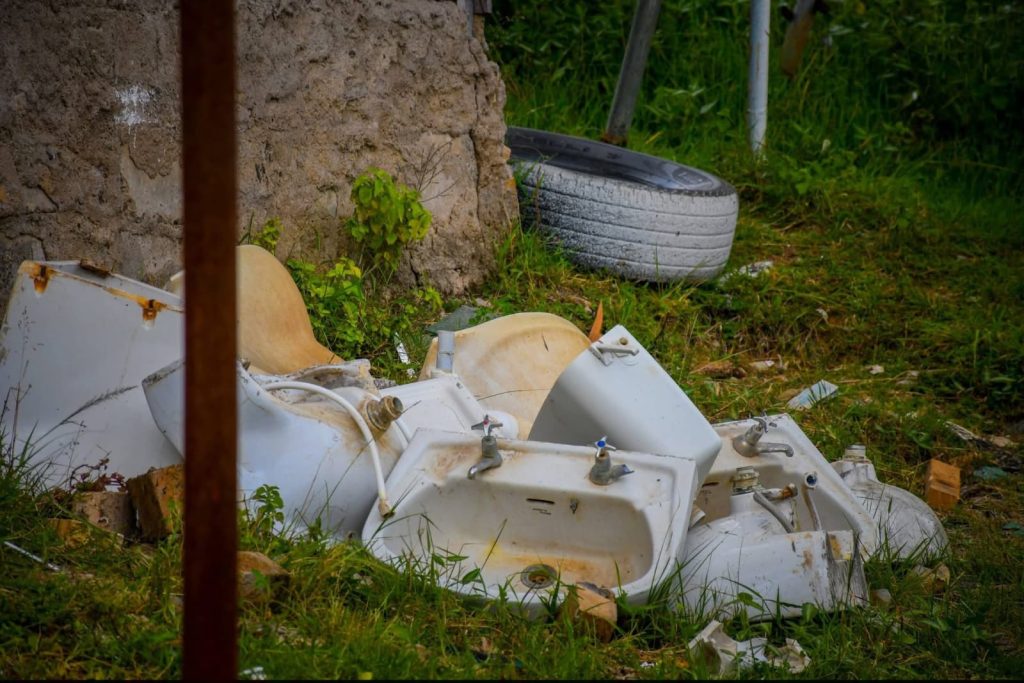
At Kimalel, a facility once known across the country for treating neglected tropical diseases like kala-azar, the committee was met with scenes that were difficult to reconcile with its past reputation.
The buildings, though still standing, tell a story of slow decay. Inside, the situation is worse—peeling paint, worn-out ceilings, and an atmosphere that feels more abandoned than operational. This was once a referral center serving not only Baringo residents but also neighboring communities like Koriema, Patkawanin, and Bekibon. Patients used to travel long distances seeking specialized treatment here.Today, that legacy feels like a distant memory.
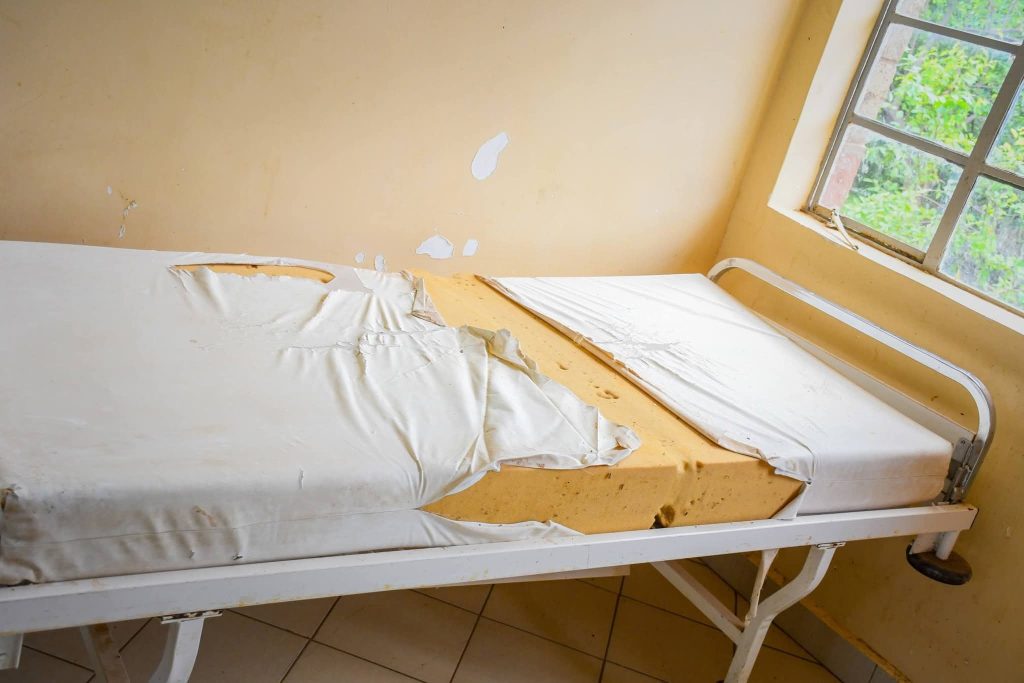
Devolution had promised to bring healthcare closer to the people. But for many in Baringo, that promise now feels hollow—almost like something they were told, but never truly received.
Walking through the wards at Kimalel Sub-County Hospital, the committee encountered conditions that left them visibly shaken.
Richard Onyonka a member of the committee, expressed disbelief at what he saw. A facility that once stood as a symbol of medical excellence had been reduced to near ruin.

Patients and locals described a hospital where even basic safety is a concern—where fears of snakes are not uncommon, and where infrastructure has deteriorated to alarming levels.
Even the operating theatre, once a lifeline for critical care, now resembles what one might describe as “a theatre of neglect”—bare, under-equipped, and barely functional.
For residents, this was not news—it was their daily reality.
One local resident spoke with visible frustration, saying their repeated pleas to the county government had gone unanswered. The governor’s failure to appear before the Senate only added to their anger.
To many, the Senate’s visit felt like a long-awaited moment of recognition—a sign that someone, finally, was listening.
“It’s like our prayers have been answered,” one resident said, capturing both relief and years of pent-up despair.
At Baringo Referral Hospital, the county’s largest health facility, the story was no different.
Patients complained of frequent drug shortages, forcing them to buy even the most basic medication from private chemists—some allegedly owned by medical practitioners themselves.
Critical equipment, including X-ray machines, CT scanners, and dialysis units, were either non-functional or too few to meet demand. As a result, many patients are routinely referred to facilities in Eldoret or Iten—journeys that are costly, exhausting, and sometimes life-threatening.
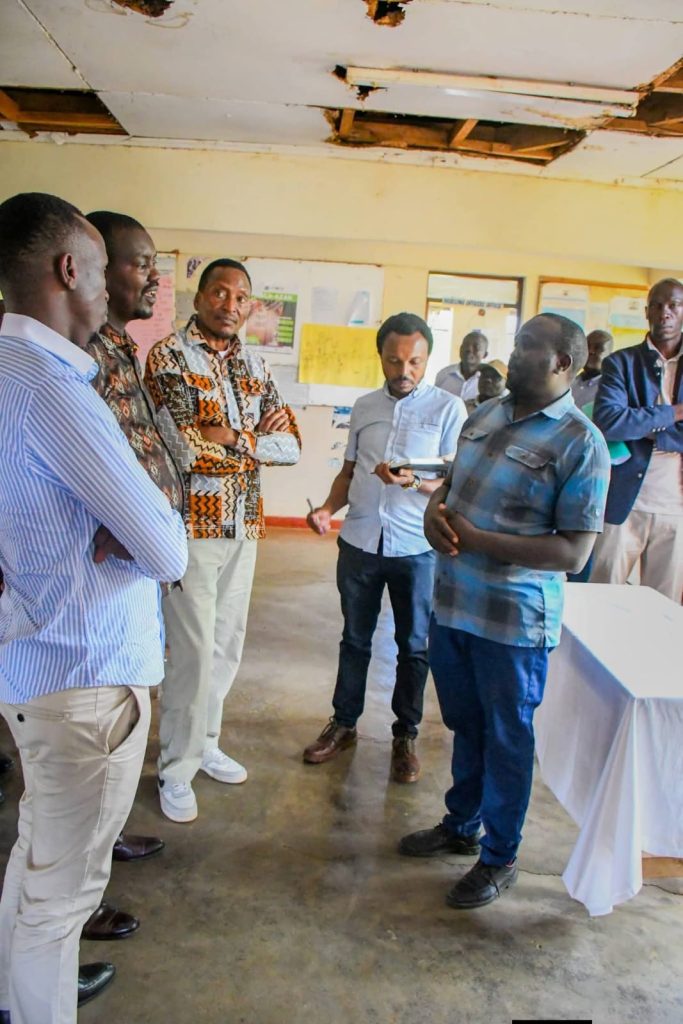
Just a week prior to the visit, services at the hospital had come to a standstill as healthcare workers—clinical officers, nurses, and pharmaceutical technologists—went on strike. Their grievances included poor pay and years of stagnation without promotions.
Baringo Senator Kiprono Chemitei, who is also a member of the committee, did not hide his frustration.
He pointed out that a significant portion of the county’s budget is allocated to health—yet the situation on the ground tells a completely different story.
For him, the tour exposed a painful contradiction: resources are being pumped into the sector, but the benefits are not reaching the people.
During a meeting with members of the Baringo County Assembly, Mandago was candid in his criticism.

He said the people of Baringo deserve far better and questioned the county assembly’s failure to effectively oversee the executive. Oversight, he emphasized, is not optional—it is essential to ensure public resources are used properly.
Amid the widespread concerns, Eldama Ravine Sub-County Hospital stood out as an exception. Its operations were relatively smooth, and its service delivery earned praise from the committee—offering a glimpse of what is possible when systems function as they should.