
Kenya Strengthens Seed Quality and Plant Health Systems to Boost Food Security
By Isaac Kogei
The Government has reaffirmed its commitment to strengthening seed quality and phytosanitary systems to enhance food security, combat climate change and promote safe agricultural trade.
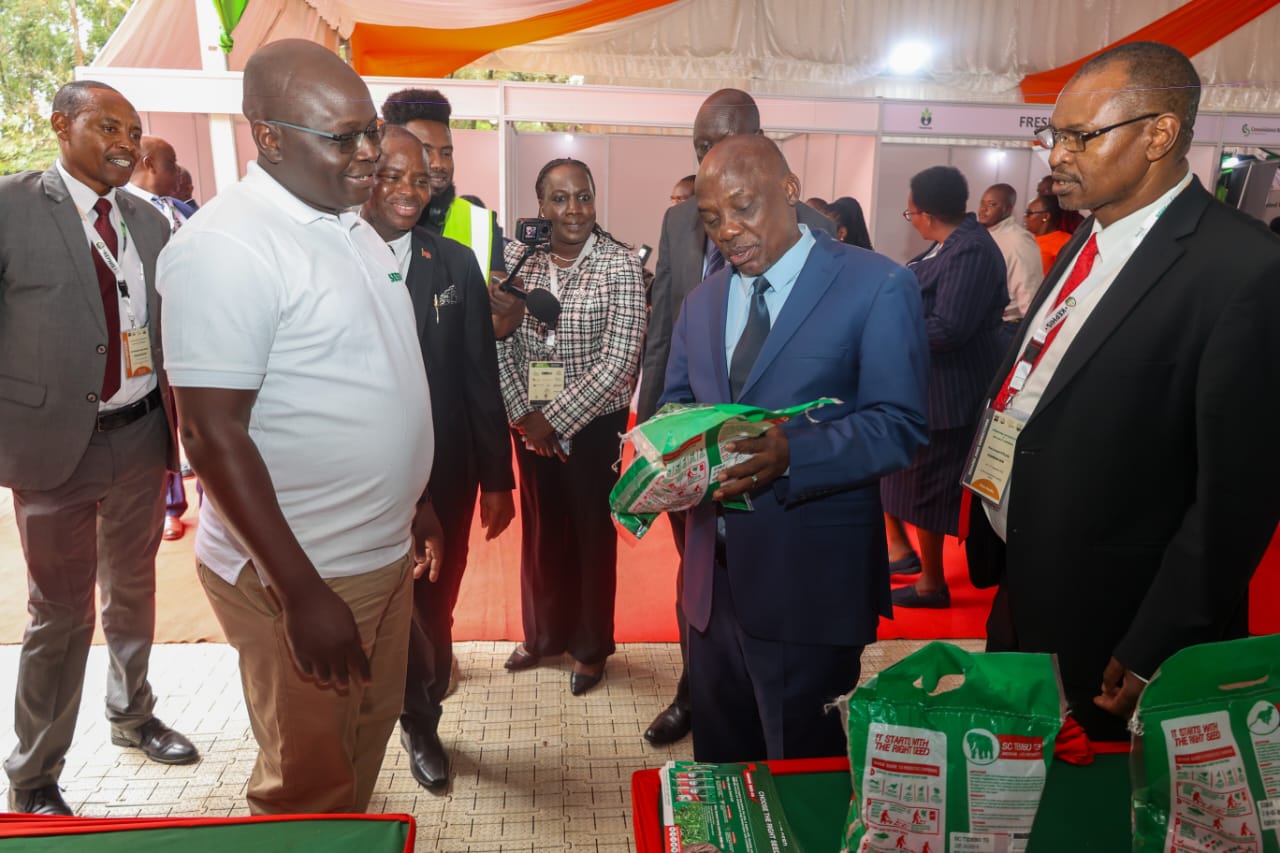
Agriculture Principal Secretary Dr. Kipronoh Ronoh Paul on Monday officially opened a four-day International Workshop on Seed Quality and Phytosanitary Systems at the Kenya Plant Health Inspectorate Service (KEPHIS) Headquarters in Karen, Nairobi.
The workshop, held under the theme “ _Revitalizing Phytosanitary and Seed Systems for Climate-Resilient and Sustainable Agriculture,”_ has brought together experts and key stakeholders from Kenya and across the world to discuss emerging challenges and opportunities in the agricultural sector.
Participants are deliberating on seed quality, plant health, climate change, emerging pests and diseases, food security, and safe and efficient international trade in plants and plant products.
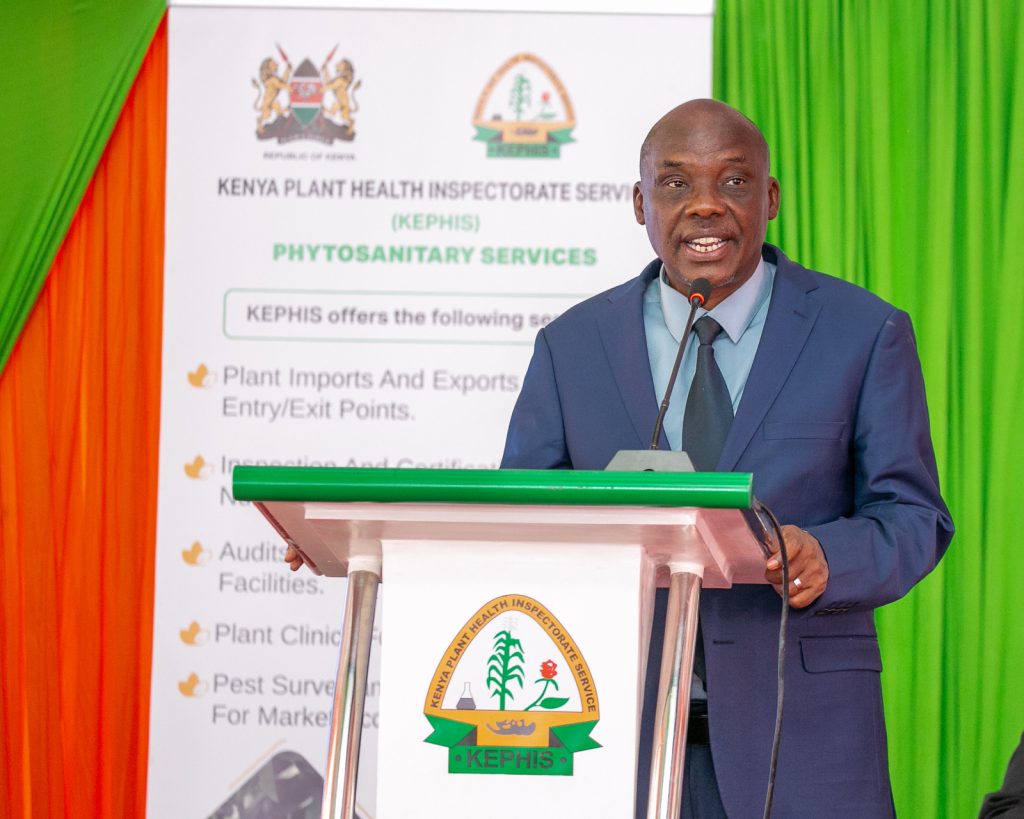
Speaking during the opening ceremony, Dr. Ronoh said Kenya must invest in strong seed and plant health systems to safeguard agricultural production and improve farmers’ livelihoods.
“Quality seed and strong plant health systems are at the heart of food security, climate resilience and a competitive agricultural economy,” said Dr. Ronoh.
He emphasized the need for Kenya to strengthen systems that protect crops, improve productivity and expand market opportunities for farmers.
The PS said the Government is working to enhance seed quality, plant health, research and regulatory frameworks to respond effectively to emerging pests and diseases while helping farmers adapt to the effects of climate change.
“We are strengthening seed quality, plant health, research and regulatory systems to respond to emerging pests and diseases, adapt to climate change and ensure farmers have access to quality, certified and climate-resilient planting materials,” he said.
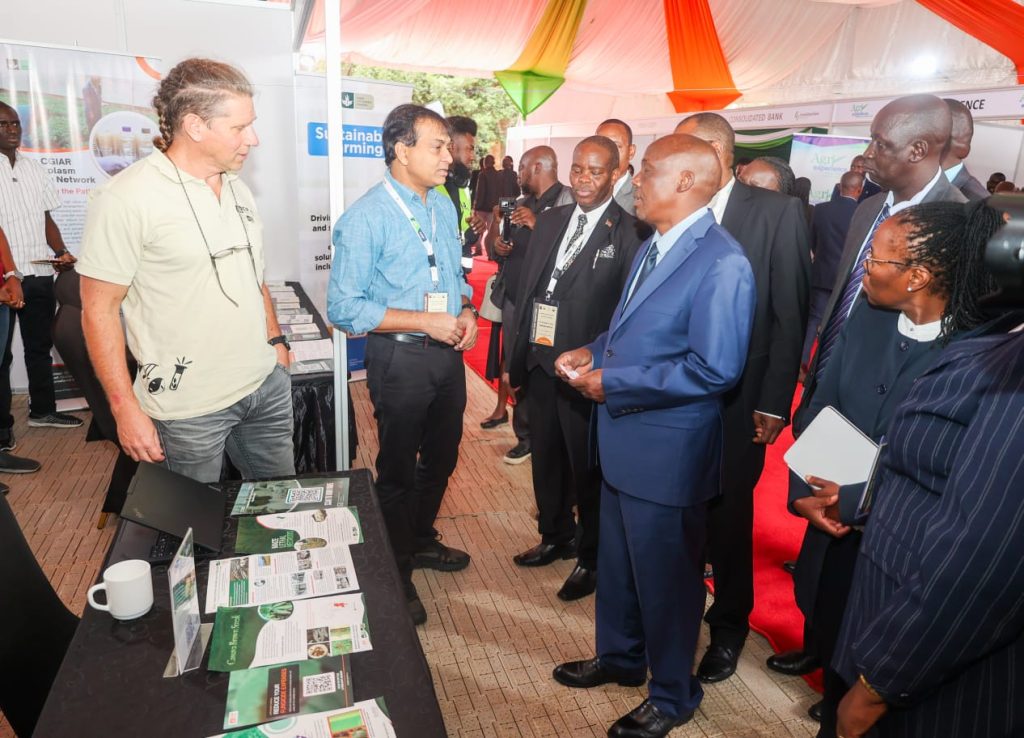
Stakeholders are expected to explore innovative approaches to improve seed systems, strengthen phytosanitary measures and promote the availability of planting materials capable of withstanding changing climatic conditions.
Dr. Ronoh noted that a stronger seed and phytosanitary system would not only protect Kenya’s food production but also improve the country’s competitiveness in international agricultural markets.
“A stronger seed and phytosanitary system will not only safeguard Kenya’s food production but also support safe and efficient trade in plants and plant products,” he said.
The four-day workshop is expected to provide a platform for knowledge exchange, collaboration and the development of strategies aimed at building a more resilient and sustainable agricultural sector.