Health ministry activates El Niño plan as heavy rains approach
The government is pre-positioning medicines and emergency supplies in 17 high-risk counties as Kenya prepares for above-normal rainfall and the health risks that could follow flooding
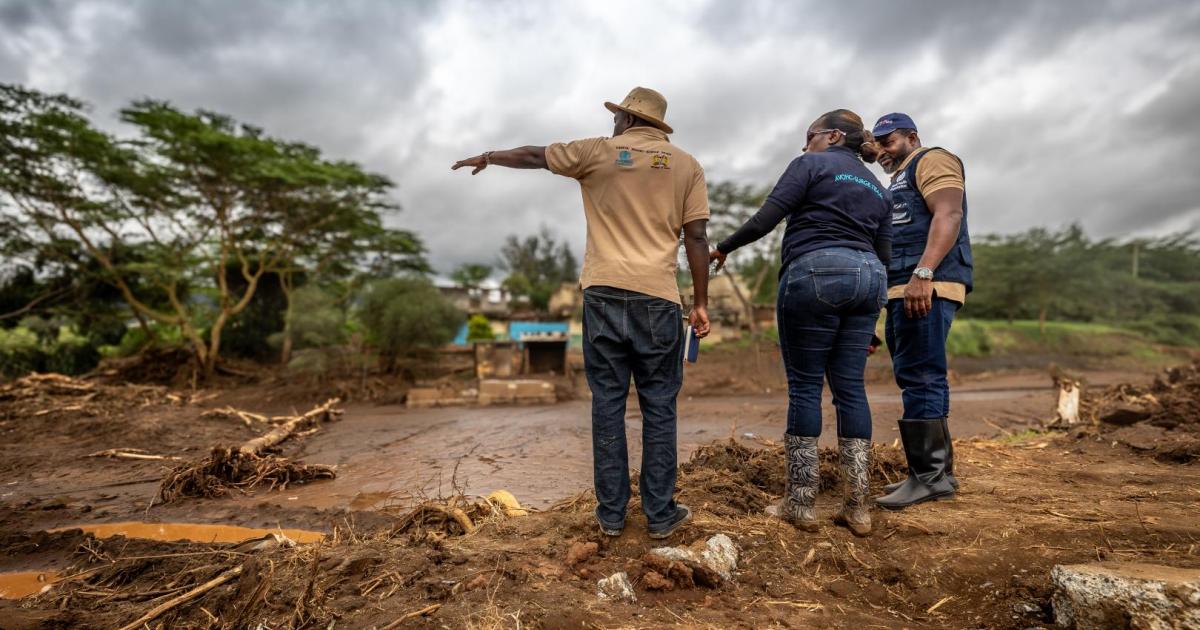
Photo/WHO
The Ministry of Health has activated its El Niño contingency plan in 17 high-risk counties, preparing medical supplies, emergency services and temporary health facilities ahead of expected heavy rains.
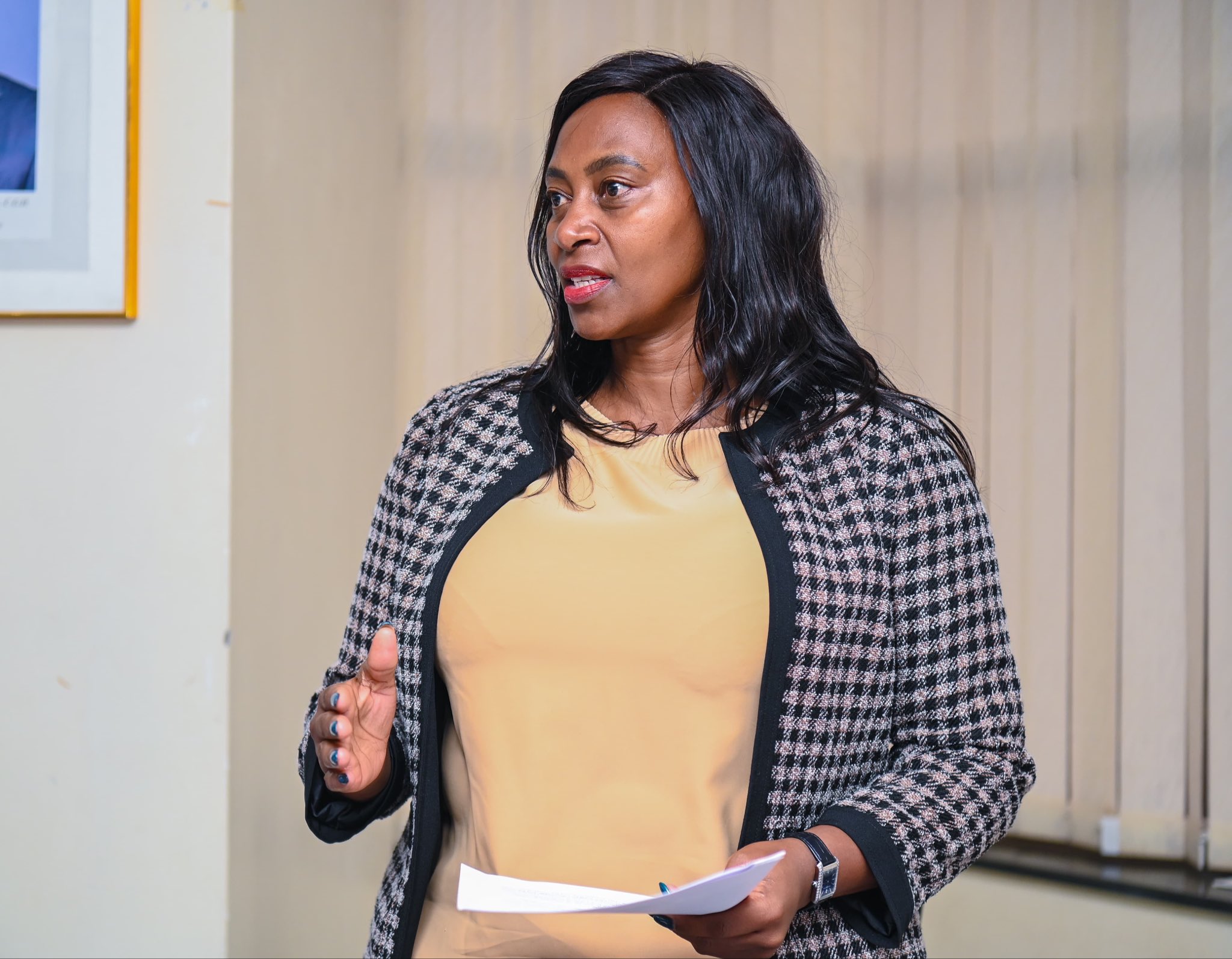
Principal Secretary for Public Health and Professional Standards Mary Muthoni said on Wednesday that the ministry was working with health and humanitarian partners to prepare for the October-December rainy season.
The operational plan covers five counties in the Coast region – Tana River, Kilifi, Lamu, Mombasa and Kwale – five in the Lake Basin – Kisumu, Busia, Siaya, Homa Bay and Migori – four in the Rift Valley – Turkana, Baringo, West Pokot and Narok – and three in the north-east: Garissa, Wajir and Mandera.
Nairobi, Mombasa and Kisumu are also being tracked separately as high-risk urban centres, where poor drainage, flash floods and pressure on infrastructure could disrupt services.
The preparations include pre-positioning medicines and laboratory supplies, strengthening ambulance and referral services, preparing temporary medical structures and identifying alternative supply routes for areas that could be cut off by floodwater.
Muthoni said the country’s experience with previous disasters had shaped the current preparations. During the 2023 El Niño, 43 counties were affected by flooding and other impacts associated with the heavy rains.
The Kenya Meteorological Department has forecast above-average rainfall for the October-December season. Its outlook puts the probability of a very strong El Niño developing at 81%, while the probability of the event persisting into early 2027 is 97%.
Strong El Niño conditions combined with a positive Indian Ocean Dipole have previously been associated with heavy rainfall in eastern Africa. WHO said similar conditions in 2019 and 1997 were followed by widespread and severe flooding across the region.
The health risks extend beyond injuries and displacement. Flooding can contaminate water sources and damage sanitation systems, increasing the risk of cholera, typhoid, dysentery, hepatitis A and other diarrhoeal diseases.
The ministry has advised people to boil or chemically treat drinking water during the floods and to avoid walking or driving through moving floodwater. It has also warned against self-medicating with antibiotics when symptoms such as severe diarrhoea develop, advising people to seek medical care instead.
Officials are asking partners to support temporary health facilities, emergency medical services, health promotion, nutrition assessments, safe water and sanitation, logistics, security of critical infrastructure and medical supplies.
Medicines and other commodities are being prepared at county and regional level, while alternative routes are being identified to deliver them to areas that could become inaccessible.
Health facilities are also being asked to strengthen contingency plans, referral networks and ambulance services, with temporary or mobile clinics available where existing facilities cannot meet demand.
The preparations involve national and county governments and partners including the Kenya Red Cross Society, the National Disaster Operations Centre, the National Disaster Management Unit, KEMSA, KEMRI, WHO and UNICEF.
WHO is working with the Ministry of Health and the Kenya National Public Health Institute to provide technical support for preparedness planning.
WHO Representative to Kenya Dr Neema Rusibamayila Kimambo said the flooding during the long rains offered lessons for preparing health services and communities ahead of the next rainy season.
The wider national response is being coordinated through an inter-ministerial committee chaired by Deputy President Kithure Kindiki. Muthoni said the committee was already active and coordinating preparedness measures and advisories to counties.
The ministry also plans to distribute 10 million treated mosquito nets from November to more than 4 million people as part of its malaria prevention programme.
Muthoni said the ministry was also pushing for greater community involvement in sanitation. The State Department for Public Health has prepared a cabinet memorandum proposing a monthly national clean-up day, modelled on Rwanda’s community cleanliness programme.
The proposal comes as the government prepares for the Kenya Public Health International Conference, which will be held in Nairobi from 26 to 29 October.
The health preparations follow flooding during the March-May 2026 rains, which affected 27 counties, killed 122 people and affected more than 42,000 people, according to the World Health Organization.