
Call for Stronger Pharmaceutical Leadership to Prevent Drug Stock-outs in Kenya
By Kass Digital
The Government has called for stronger pharmacist leadership, evidence-based health products planning and closer collaboration between hospitals and the Kenya Medical Supplies Authority (KEMSA) to improve the availability of essential health products and technologies, reduce wastage and strengthen Kenya’s health system.
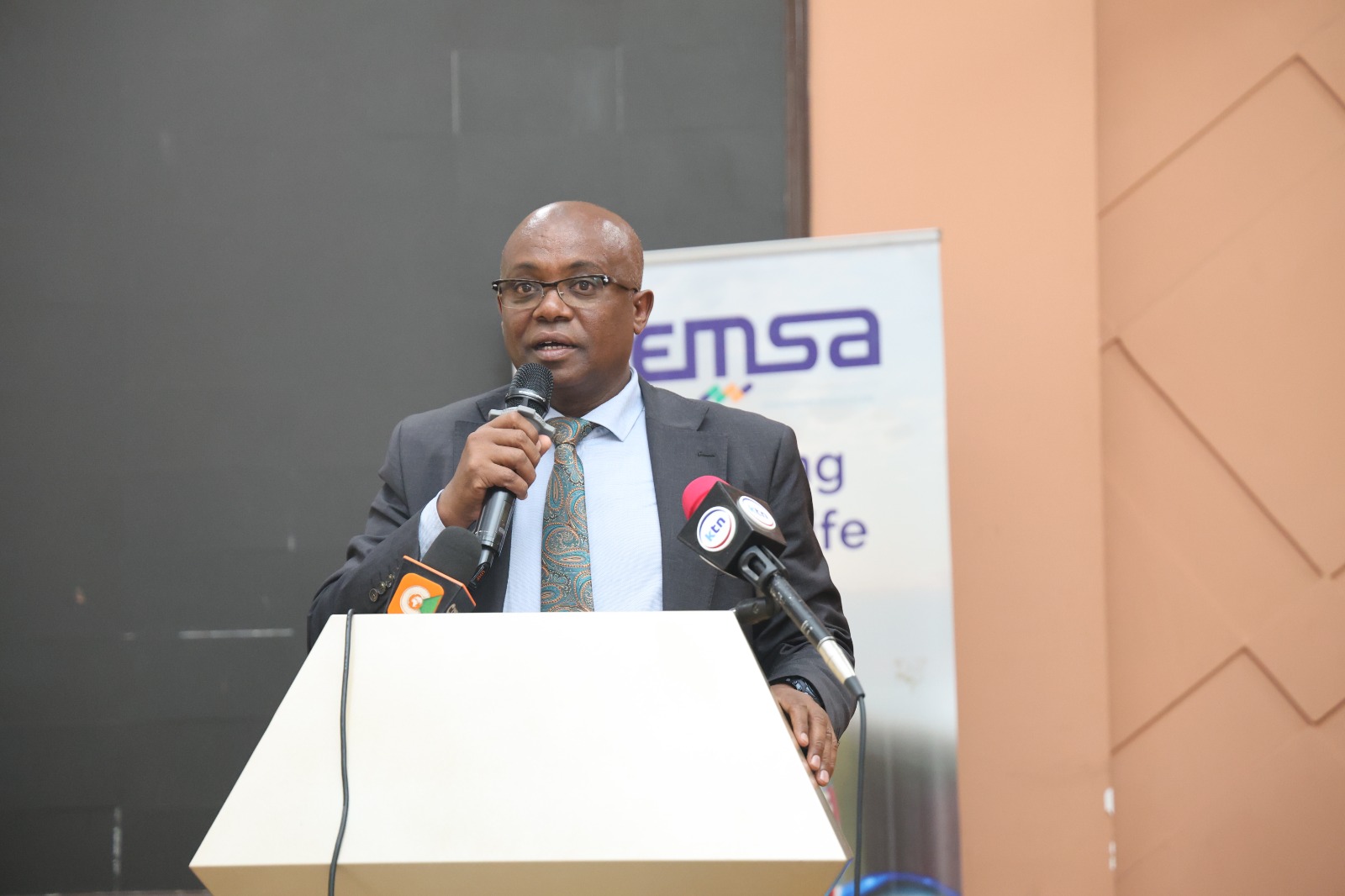
Dr. Ouma Oluga, Principal Secretary, State Department for Medical Services, said effective management of health products is fundamental to quality healthcare delivery and the achievement of Universal Health Coverage, emphasising that procurement alone does not guarantee availability.
He called on pharmacists to take a more strategic role in determining what products health facilities need, in what quantities and when, using reliable consumption data, clinical evidence and service delivery requirements to guide decisions.

Dr. Oluga underscored the importance of directing public resources towards products that respond to actual patient and facility needs. He called for stronger quantification and forecasting, rational medicine use, improved inventory management and accountability at every stage, from product selection and procurement to distribution and utilisation.
The Principal Secretary also acknowledged the ongoing transformation at KEMSA, noting that operational reforms are contributing to improvements in Order Fill Rate (OFR), order turnaround times and service delivery across the Authority’s distribution network.
He said the progress was an important step towards building a more responsive and reliable national health products supply chain, while emphasising the need to sustain the gains through accurate forecasting, stronger collaboration with health facilities and greater accountability across the supply chain.
He noted that the ultimate measure of these reforms must be improved availability of essential health products where and when patients need them.
Dr. Oluga further emphasised closer coordination between KEMSA and health facilities, noting that reliable, timely information from hospitals is essential for effective national procurement planning, while facilities depend on predictable and responsive supply arrangements to maintain continuity of care.
The five-day conference, running from 11th to 15th October under the theme “Strengthening Pharmacist Leadership and Strategic HPT Management for Sustainable Health System Resilience,” brings together national and county health institutions, hospital pharmacists, professional associations, development partners and pharmaceutical industry representatives to strengthen pharmaceutical management and supply chain resilience.
KEMSA Chief Executive Officer Dr. Waqo Ejersa reinforced the Government’s call, saying the performance of the national health products supply chain must ultimately be measured by what reaches patients, not simply by what is procured.
“Our performance must ultimately be reflected in the ability of health facilities to deliver services reliably and in the ability of patients to access the products they need when they need them,” Dr. Ejersa said.
He challenged health institutions to move beyond viewing pharmacists solely as custodians of medicines and recognise their strategic contribution to demand forecasting, procurement planning, resource allocation, inventory management and institutional decision-making.
“Pharmacists must be positioned not only as custodians of medicines, but also as strategic contributors to institutional efficiency, patient safety and health-system sustainability,” he said.
Both the Government’s policy priorities and KEMSA’s operational agenda underscore the need for reliable facility-level data to strengthen forecasting and procurement planning. Dr. Ejersa said procurement decisions must be grounded in validated consumption, available stock, service delivery workloads and anticipated demand to minimise stock-outs, overstocking, expiries and avoidable expenditure.

He noted that weak quantification, incomplete information and delayed communication can undermine product availability and the efficient use of public funds.
KEMSA depends on accurate and timely information from health facilities to guide procurement and supply planning, while hospitals require responsive and predictable supply arrangements.
He called for sustained engagement, shared information, clear responsibilities and joint monitoring of agreed actions.