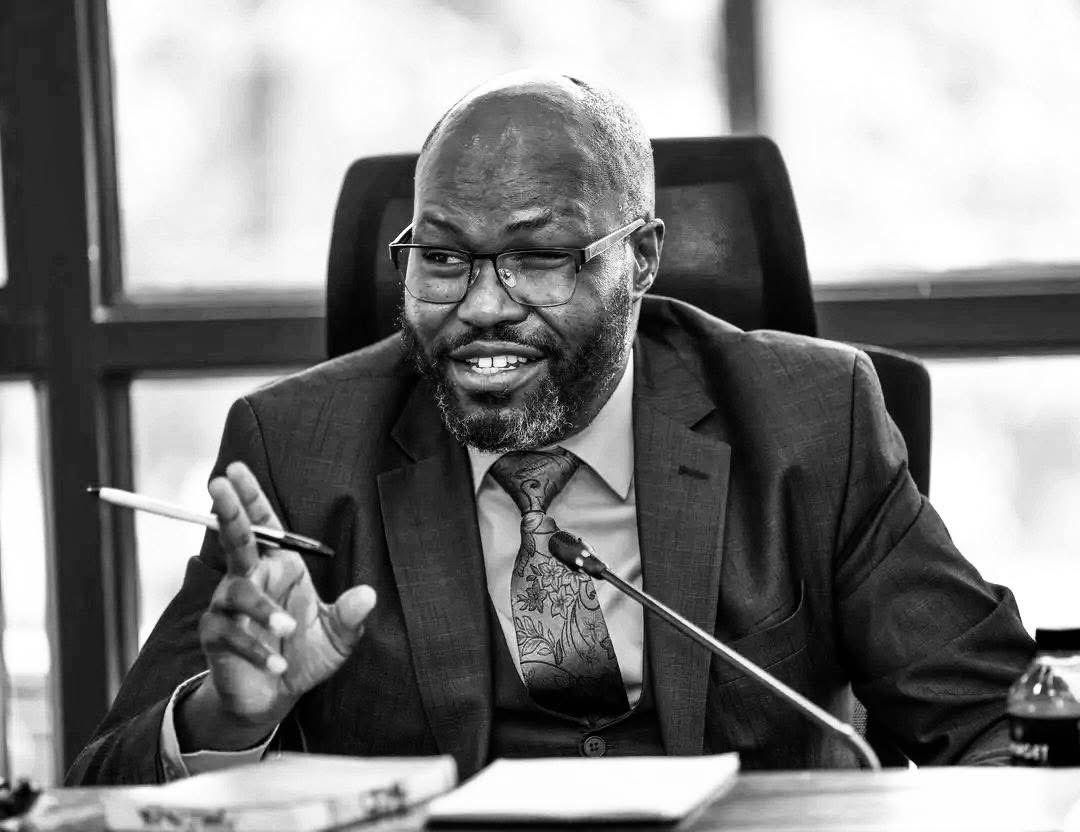
Johana Kipyegon Ng’eno, MP Who Blended Politics and Culture, Dies at 53
By Chemtai Kirui | Nairobi | March 2, 2026
Johana Kipyegon Ng’eno, the three-term Member of Parliament for Emurua Dikirr who fused combative politics with cultural advocacy, died on Saturday when a private helicopter crashed in Nandi County. He was 53.
President William Samoei Ruto said he had received the news “with profound shock and deep sadness,” calling the MP “focused, vocal and fearless” and praising his work for constituents and support for local music, and extended condolences to the family and to all those affected by the crash.
A Eurocopter AS350 Écureuil carrying the MP and five others struck trees in poor visibility near Chepkiep in Mosop at about 4:45pm on Feb. 28, according to preliminary police reports. The aircraft burst into flames on impact; there were no survivors.
His death removes one of the Rift Valley’s most recognisable and polarising figures — a lawmaker who treated Parliament as a stage for resistance and who built influence as a patron of local language, music and identity.
Born on Dec. 12, 1972, in Narok County, he built a career that moved between grassroots activism and national institutions.
He attended Mogondo Primary School and later Maseno National School before studying international law at Taras Shevchenko National University of Kyiv in Ukraine. The experience abroad broadened his intellectual formation, but it did not dilute his local grounding.
After returning, he took a law degree at Mount Kenya University and later a master’s at the University of Nairobi. In September 2025, he fulfilled a long-standing ambition when he was admitted as an Advocate of the High Court of Kenya — a milestone that symbolised his desire to move from political rhetoric to legal authority.

He entered Parliament in 2013 with the creation of the Emurua Dikirr constituency and secured re-election twice, navigating shifting party allegiances while maintaining a personal political brand anchored in defiance.
In the National Assembly, Ng’eno cultivated the reputation of a maverick. He was quick to challenge colleagues, fiercely protective of his constituency’s identity and unapologetic in his interventions.
At the time of his death he chaired the Departmental Committee on Housing, Urban Planning and Public Works. The National Assembly Speaker, Moses Wetang’ula, said: “He was a dependable parliamentarian who served with distinction.”
Wetang’ula credited him with playing a key role in the passage of the Affordable Housing Act of 2024 — legislation central to the administration’s domestic agenda.
Ng’eno’s political identity was forged in confrontation. His vocal opposition to aspects of the Mau Forest evictions led to arrest in 2020 on incitement charges. He framed the episode as a defence of community rights; critics viewed it as reckless agitation.
That tension defined his career: often at odds with authority, but seldom outside the system.
In 2025, he claimed to have been abducted and threatened — an allegation authorities treated with scepticism but supporters embraced as evidence of his vulnerability to political retaliation. Whether embattled or emboldened, Ng’eno rarely retreated from public dispute.
If Parliament was one arena of his influence, culture was another.
Ng’eno understood that identity in the Rift Valley was negotiated not only in legislative chambers but also on stages, radio frequencies and communal gatherings.
Through his association with Kass Media Group, he became a visible advocate for Kalenjin music and language, regularly appearing on Kass FM and Kass TV and lending political weight to cultural institutions.
As patron of the Kalenjin Music Festival Awards, he sought to professionalise an industry long sustained by informal networks and personal sacrifice. He argued that talent should not condemn artists to poverty and used his platform to push for better compensation, visibility and dignity.
Dr. Joshua Chepkwony, Chairman of Kass Media Group in his tribute, called him “a passionate custodian of culture and a strong supporter of the music and entertainment industry.”
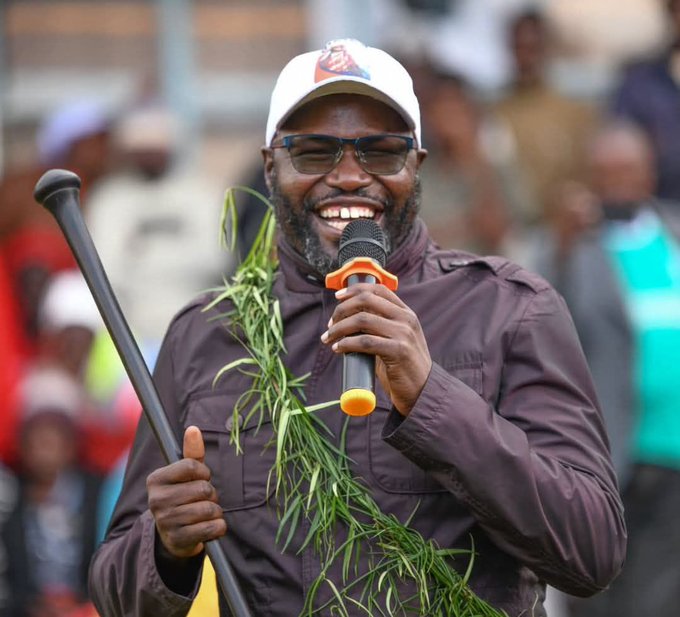
Ng’eno’s cultural advocacy was not peripheral to his politics. It was an extension of it. He recognised that language, land and law were intertwined in the imagination of his constituents. To defend one was to defend all three.
Hours before the crash, Ng’eno had been at Mara Rianta (near the Mara River) to coordinate search efforts for two young men who had been swept away by floodwaters. Later that afternoon, he flew to Endebess in Trans Nzoia County, celebrating the 35-year career of a local musician — a fitting setting for a politician whose final public appearances were as likely to involve dance and song as legislative briefings.
In one of his last recorded videos, filmed inside the helicopter, he looked out over flood-swollen terrain and expressed solidarity with affected residents — a reminder that even in transit his rhetoric remained rooted in local concerns.
The crash site, located roughly two kilometres from where the pilot had briefly landed to assess weather conditions, became an immediate locus of mourning.
A Life Between Protest and Power
Ng’eno is survived by his wife, Nayianoi Ntutu, and their children.
In Emurua Dikirr, he was known simply as “Ngong’” — a name that signified familiarity rather than office, and belonging rather than distance. It reflected the kind of political relationship he cultivated: direct, visible and unfiltered.
His career will not be remembered as quiet. It will be recalled as animated, confrontational and deeply rooted in the belief that representation demands presence. He embodied a strain of Rift Valley politics that blurred the line between activism and authority — between protest and power.
In Parliament, he tested institutional limits. On cultural stages and across the airwaves, he reinforced communal bonds. In both arenas, he insisted that identity mattered.
For supporters, he carried language and grievances into the national chamber; for critics, he was combative and unyielding. Either way, his imprint on Rift Valley politics will endure.