Lamu households report sharp fall in fishing after port development, study finds
Survey found reported declines in fish catches, species diversity and access to fishing grounds, alongside a rise in alternative employment
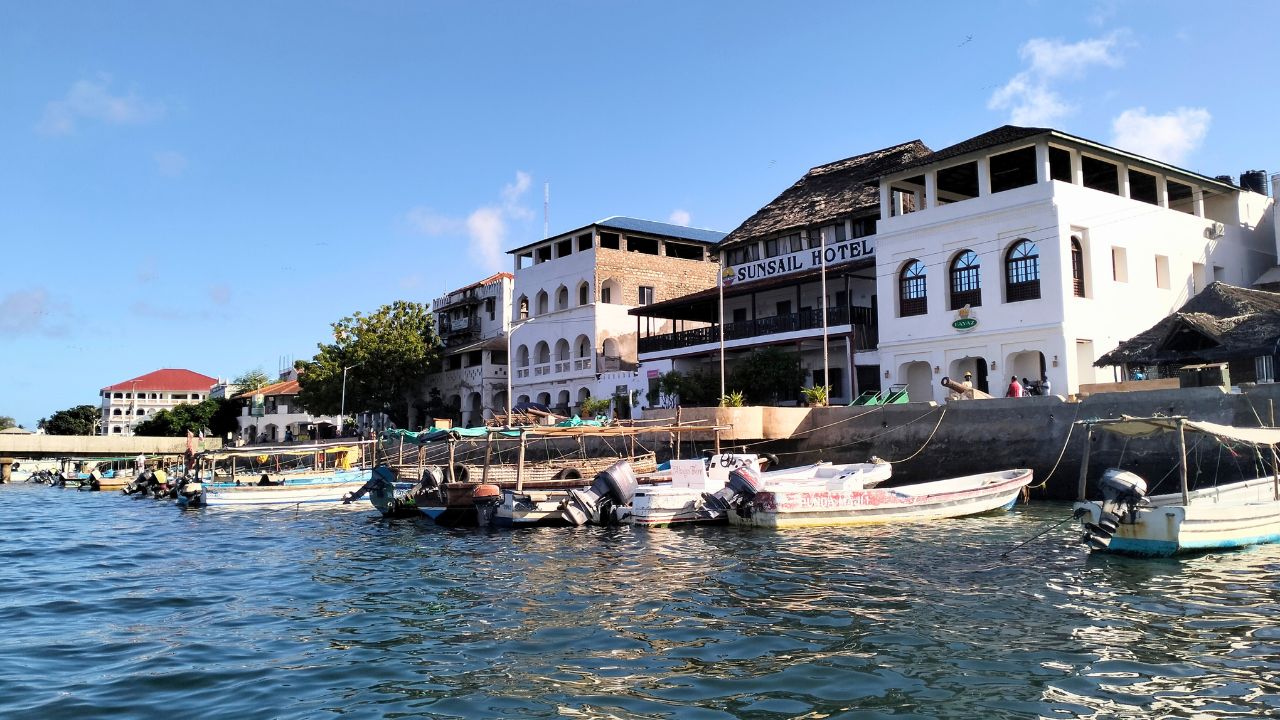
Households in Lamu County reported a sharp deterioration in fishing conditions after the development of Lamu Port, according to a study by researchers at the University of Nairobi.
The researchers surveyed 380 households across the county about how port development had affected livelihoods dependent on mangrove ecosystems. They also held focus-group discussions and interviewed 20 key informants.
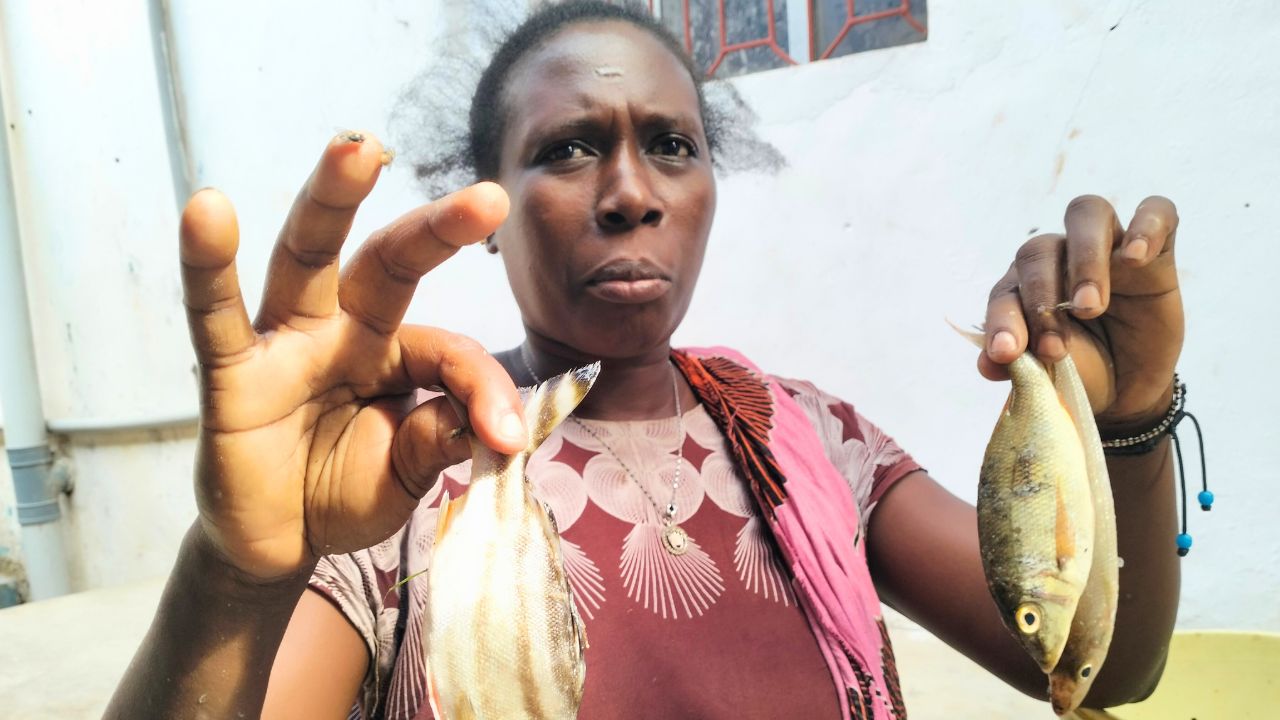
Before construction began, 91.2% of respondents rated fish productivity as high. The measure covered catch size, quantity, species variety and access to fishing grounds. After the first three berths were completed, none rated it high.
The survey found a different pattern for employment. Only 8.8% of respondents rated alternative employment opportunities as high before port development. After the first three berths were completed, the figure had risen to 86.1%.
The researchers said port construction and operations had created employment opportunities for some people whose traditional livelihoods had been disrupted.
A separate study published in December 2025 found that 69% of 606 households surveyed in Lamu depended directly on mangrove ecosystems. Fish and shellfish were the most commonly reported resources, cited by 82% respondents, while fishing was the most common primary occupation, reported by 30%.
The findings on fishing are based on households’ assessments of conditions before and after port development, rather than biological measurements of fish stocks. The researchers describe the results as perceived impacts on mangrove-dependent livelihoods, and say the difference in reported fish productivity was statistically significant.
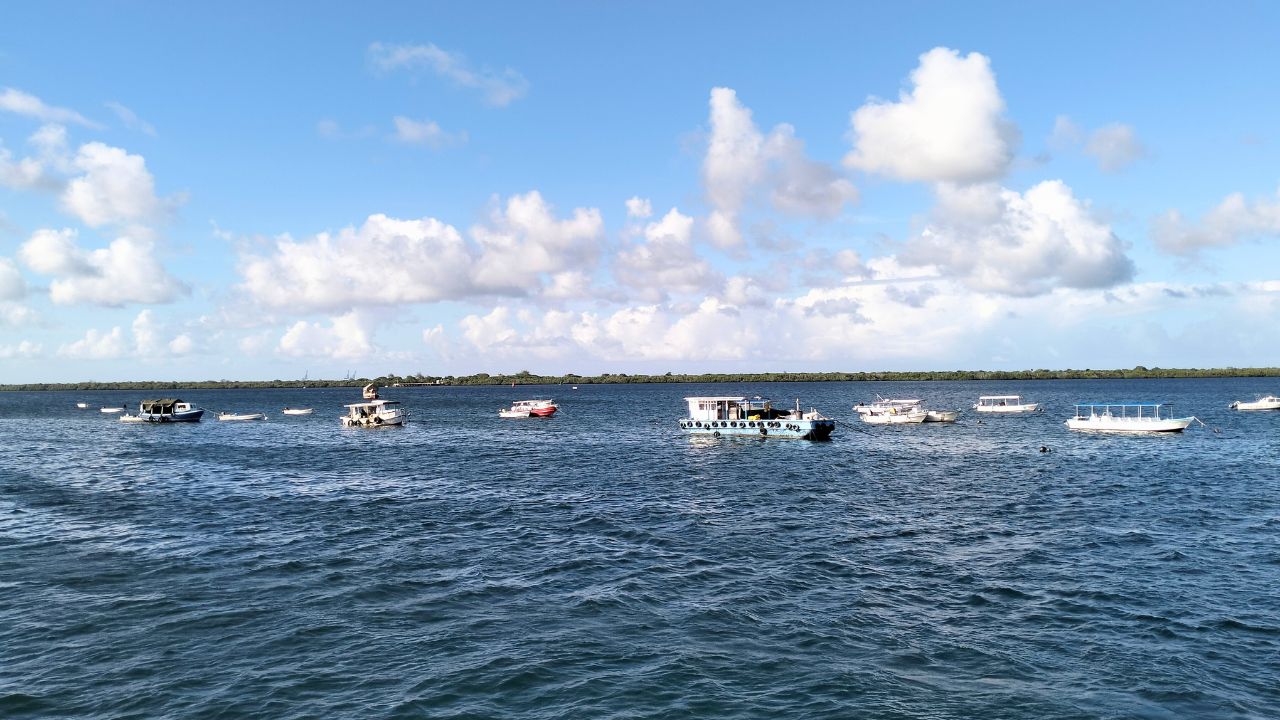
An environmental and social audit of LAPSSET projects, including the port, identified potential losses of fish landing, boat anchoring and repair sites during construction. It recommended attention to nearby shore zones during dredging operations.
The audit also identified gaps in environmental information around dredging and recommended monitoring marine water, sediments and ecology during dredging. It noted that dredging could affect marine habitats and fishery resources.
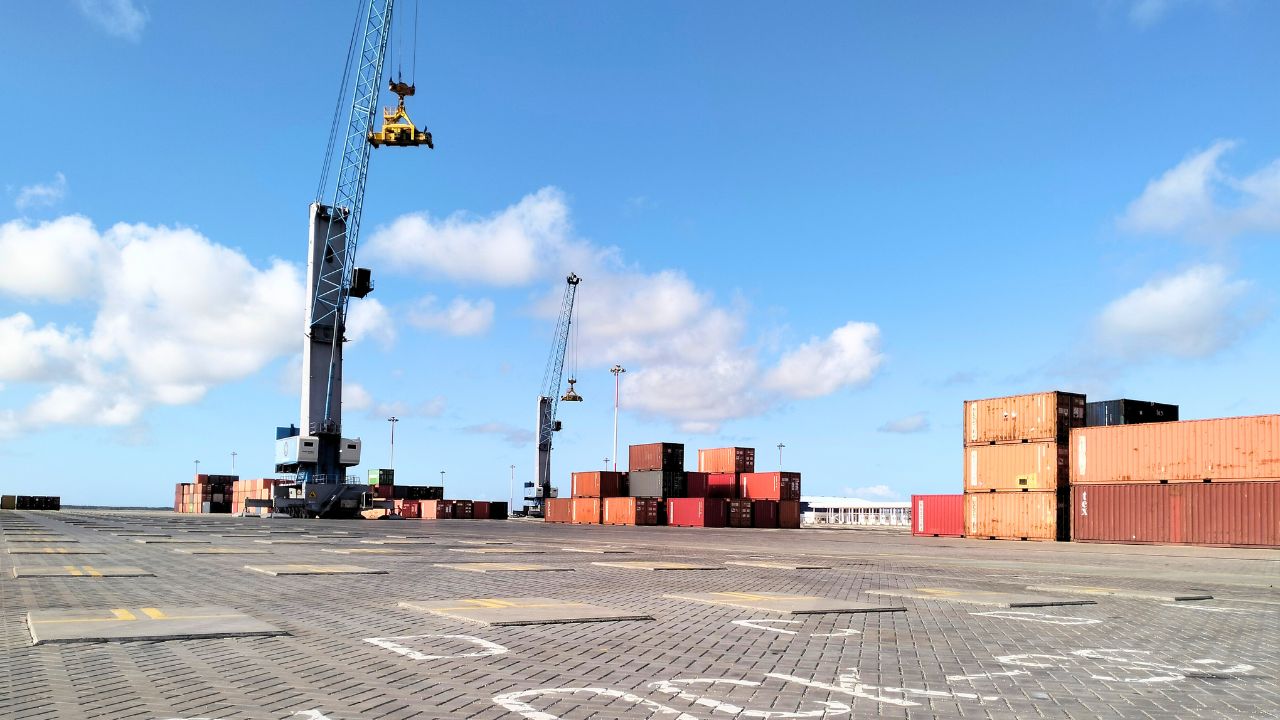
The first three 400-metre berths at Lamu Port are operational, according to the Kenya Ports Authority. The completed port is planned to have 23 berths.
The University of Nairobi researchers recommend stronger environmental monitoring, protection of mangroves and fishing routes, livelihood diversification and greater community participation in future port development.