Africa: Refugees and Displaced Communities Face Growing Challenges Accessing Safe Water
By Kass Digital | NAIROBI,
Access to safe water remains a growing challenge for refugees and displaced communities, as climate change, conflict and increasing pressure on shared natural resources threaten livelihoods and peaceful coexistence across Africa.
The challenge is particularly evident in the Sahel, where prolonged drought, insecurity and forced displacement are placing additional pressure on already limited water resources.
During a discussion on water, peace and cooperation organized by Africa 21 , Tayyar Sukru Cansizoglu, UNHCR Representative in Mauritania, highlighted the need to protect the rights and livelihoods of both displaced populations and host communities.
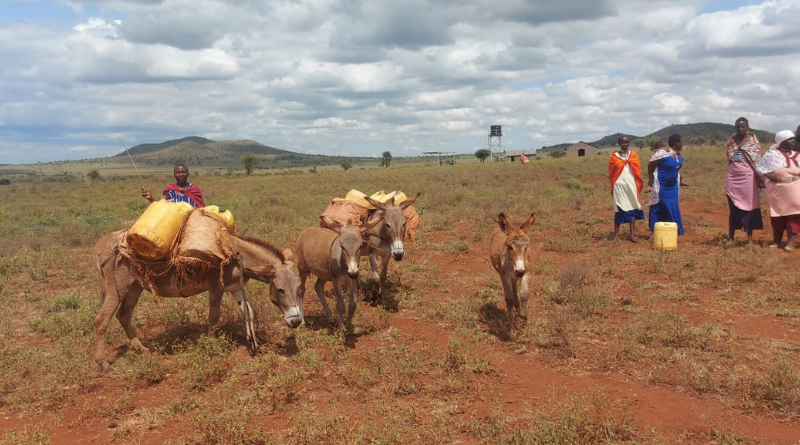
Cansizoglu noted that humanitarian interventions should not favour refugees at the expense of local communities, emphasising that both populations have equal rights to access water and other essential resources.
“the agency could contribute to rehabilitating existing water facilities and distribution networks, however, such interventions require adequate financing, technical expertise and coordination with local authorities, engineers and security agencies.” He added.
The discussion also highlighted the importance of rehabilitating existing water infrastructure and developing shared water systems as a way of reducing competition and strengthening social cohesion.
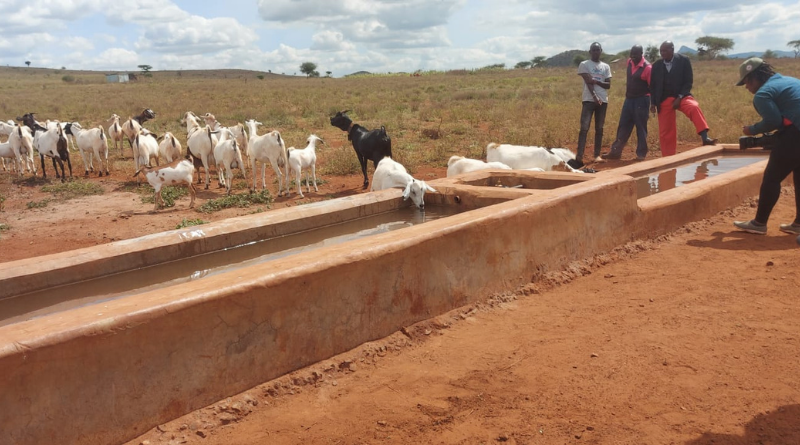
Thierry Beuel, Head of Operations for Africa, Water and Habitat Unit / Essential Services at the International Committee of the Red Cross (ICRC), also emphasised the potential of shared water resources to promote peaceful coexistence.
He noted that Kenya and its neighbouring countries could use shared water resources as a tool for building social cohesion among communities. However, he cautioned that implementing such initiatives is complex and requires consultation with security agencies, engineers and other stakeholders.
The challenges are also reflected in Kenya, where refugee-hosting communities continue to face pressure on water supplies.
According to UNHCR’s 2025 operational update, refugees in Kakuma and Kalobeyei received an average of 15 litres of water per person daily, below the recommended minimum of 20 litres.
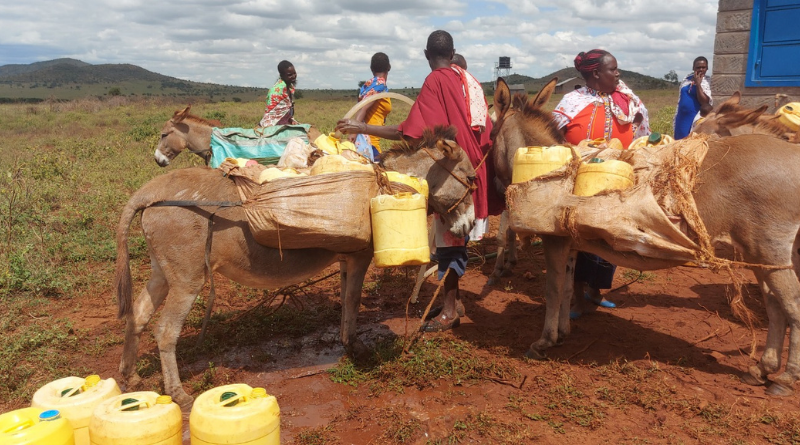
A 2025 assessment by the International Organization for Migration (IOM) also found that 99 per cent of refugee households and 91 per cent of host and affected households reported at least one unmet need, with water, sanitation and hygiene among the major challenges.
The discussions underscored the importance of moving beyond emergency humanitarian responses towards sustainable water management systems that benefit both displaced populations and host communities.
Participants called for stronger regional cooperation, improved information sharing and the adoption of modern technologies to monitor and manage shared water resources.
As climate change and displacement continue to reshape communities across Africa, cooperation over water is increasingly being recognised not only as a development priority but also as an important instrument for conflict prevention, peacebuilding and regional stability


