
Why basin water committees remain stuck nearly a decade after becoming law
By Chemtai Kirui | Nairobi
“Why hasn’t it happened yet?”
The question from Jørgen Erik Larsen, a water sector adviser at the Royal Danish Embassy in Nairobi, hung over a room of regulators, governors, civil society leaders and development partners gathered for a high-level roundtable in Nairobi.
Larsen was referring to Basin Water Resource Committees (BWRCs), institutions created under the Water Act 2016 to coordinate management of water resources across Kenya’s major river basins. Nearly a decade later, they remain non-operational.
The committees were designed to bring together county governments, regulators, businesses and water users to manage rivers and catchments that cross county boundaries. Instead, participants at a high-level roundtable in Nairobi this week said the country remains stuck with a governance system in which decisions affecting entire river basins are often fragmented across institutions and jurisdictions.
The roundtable was intended to reflect on lessons from the Catchment to Tap initiative, a program focused on water security and catchment governance. But discussion repeatedly returned to the same unresolved question: why have the committees never been established?
The Water Act 2016 replaced Catchment Area Advisory Committees with BWRCs, which were supposed to bring counties, businesses and local water users into decisions about shared river basins.
In recent years, Parliament has amended sections of the Water Act governing issues such as Public-Private Partnerships and bulk water supply tariffs. But the provisions establishing Basin Water Resource Committees have remained largely unchanged.
The delay has frustrated civil society groups.
Malesi Shivaji, chief executive of the Kenya Water and Sanitation Civil Society Network (KEWASNET), said the committees were intended to become one of the sector’s most participatory institutions.
Instead, he said, delays in operationalizing the committees have left local Water Resource Users Associations and conservation groups working through advisory structures that predate the 2016 reforms.
Water Resources Authority chief executive Mohamed Moulid Shurie said the delay stems from a flaw in the original law, which gave BWRCs overlapping regulatory and implementation functions.
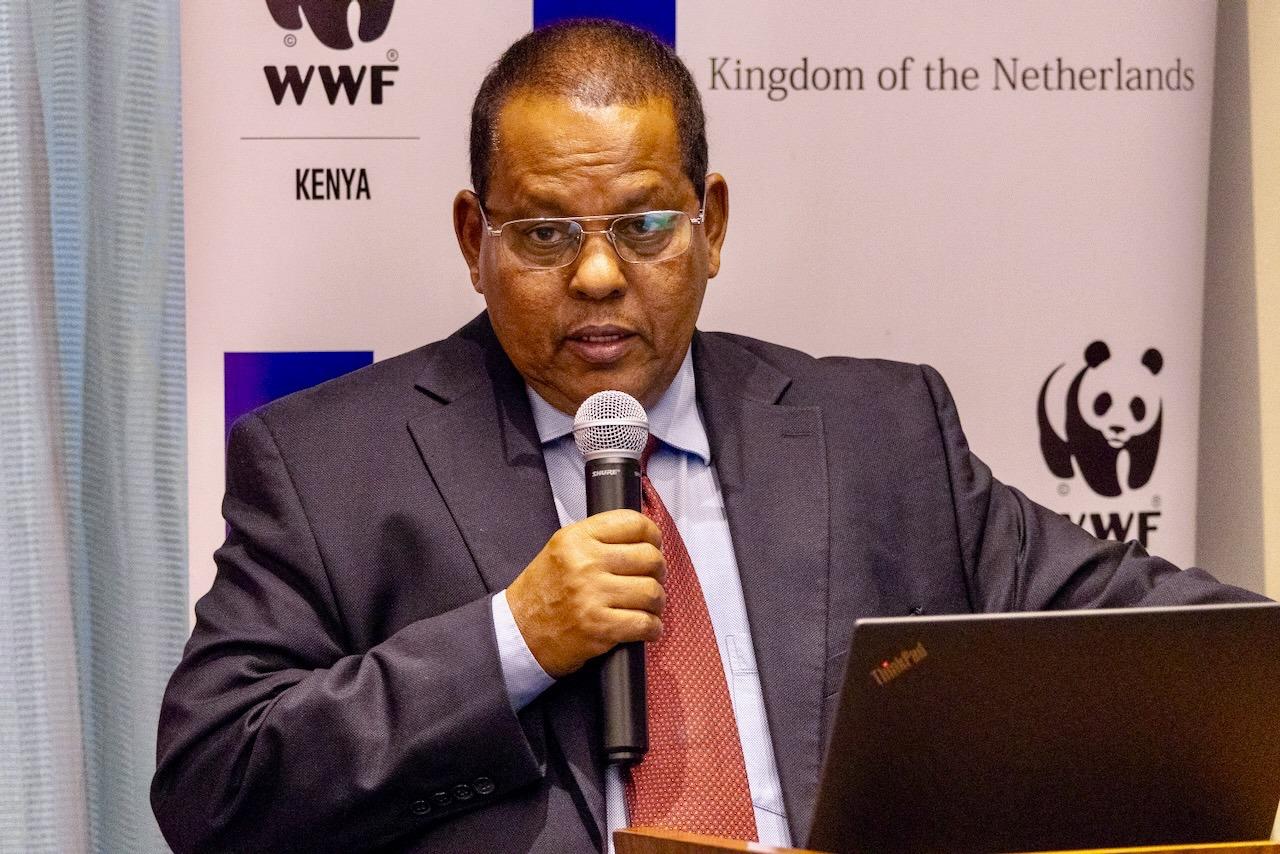
“That’s a question that everybody is asking. We are also asking, how do we move?” Shurie said.
Cabinet Secretary for Water, Sanitation and Irrigation Eng. Eric Mugaa said the entity that advises on or regulates a resource must be separate from the entity that implements activities on the ground.

“Is it right for you to become a regulator and also an implementer? Is it right? You have simply become a monopoly. You have set the price, and you provide the service. Look at it that way.” Mugaa said.
The Water Resources Authority remains the central institution responsible for regulating water resources, collecting abstraction fees and overseeing much of the sector’s financing.
Shurie said the authority had already developed the institutional roadmap required to establish the committees and submitted proposed amendments to the ministry, which later forwarded them to Parliament.
He said the amendments have been awaiting parliamentary action since around 2022.
The discussion also turned to the WRA’s financial dependence on the national exchequer.
Laikipia Governor Joshua Irungu said the authority would need a more independent funding model if it is to operationalise the committees.
“I wish that one day WRA can survive without having to depend on the national government, the national state, and start from their levy and do what they are supposed to do.”
According to Irungu, who was also speaking as the Chair of the Council of Governors’ Water Committee, gaining this financial independence is the only way the apex authority will finally secure the resources needed to roll out basin-level regulations across the country.
Concern over the stalled reforms extended beyond regulators and civil society groups.
Private sector representatives argued that uncertainty around basin-level governance is increasingly becoming an economic issue.
Dr Kinyanjui Koimbori, head of Kenya Private Sector Alliance (KEPSA) Consult’s Circular Economy and Climate Change division, said businesses depend heavily on healthy watersheds and reliable water supplies.
“Business is nature, and nature is business,” he said. “Every shilling invested in watershed protection, landscape restoration, sustainable land management and water stewardship generates long-term returns.”
Kevin Gichangi, who managed the Catchment to Tap project at WWF-Kenya, said the absence of fully operational committees had left a gap between national water policy and the communities responsible for protecting rivers and catchments.
The Catchment to Tap project, which concludes this year, offers a glimpse of what basin-level coordination could look like. The initiative supported community monitoring of river health and helped counties within the Lake Region Economic Bloc develop agreements on shared water management.
Gichangi said communities involved in the program adopted stream protection and catchment restoration measures that he said contributed to more reliable year-round water availability and healthier river systems.
WWF-Kenya chief executive Jackson Kiplagat said the initiative had run from January 2021 and would conclude in June 2026.
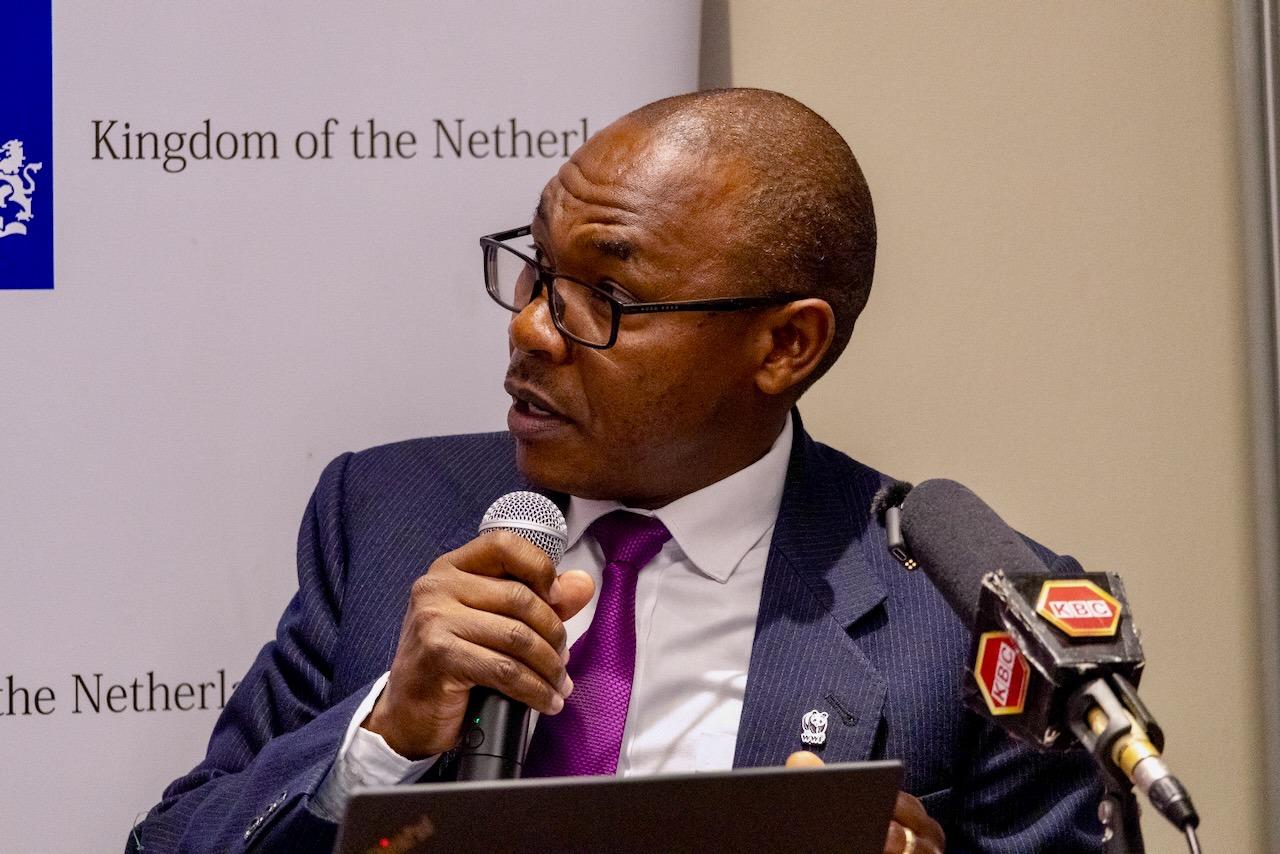
Funded by the Embassy of the Kingdom of the Netherlands and implemented in partnership with the Water Resources Authority, the project invested more than half a billion shillings over five and a half years to strengthen community participation in water governance. It also helped establish the Kenya National Association for Water Resources Users Associations.
Drawing on the Netherlands’ centuries-old tradition of water boards, Ambassador Jan Bakker said that governance remains central to water security.
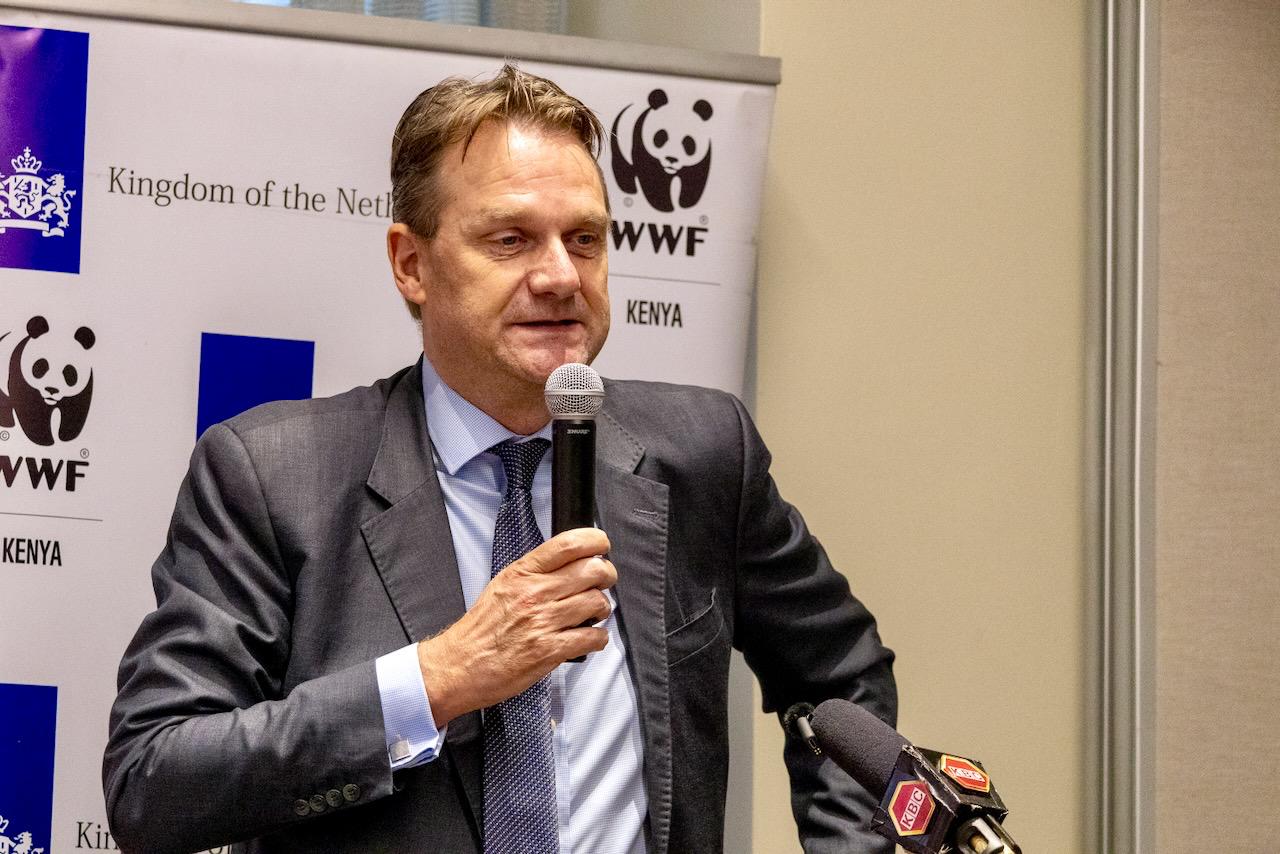
“Governance, governance, governance,” Bakker said.
Kenya’s water future, he said, will depend not only on dams, pipelines and treatment plants, but on whether counties and institutions can work together across shared river basins.
“Cooperation is not optional.”