Debt pressure dominates hearings as Parliament scrutinises record KSh4.78 trillion budget
By Chemtai Kirui | Nairobi
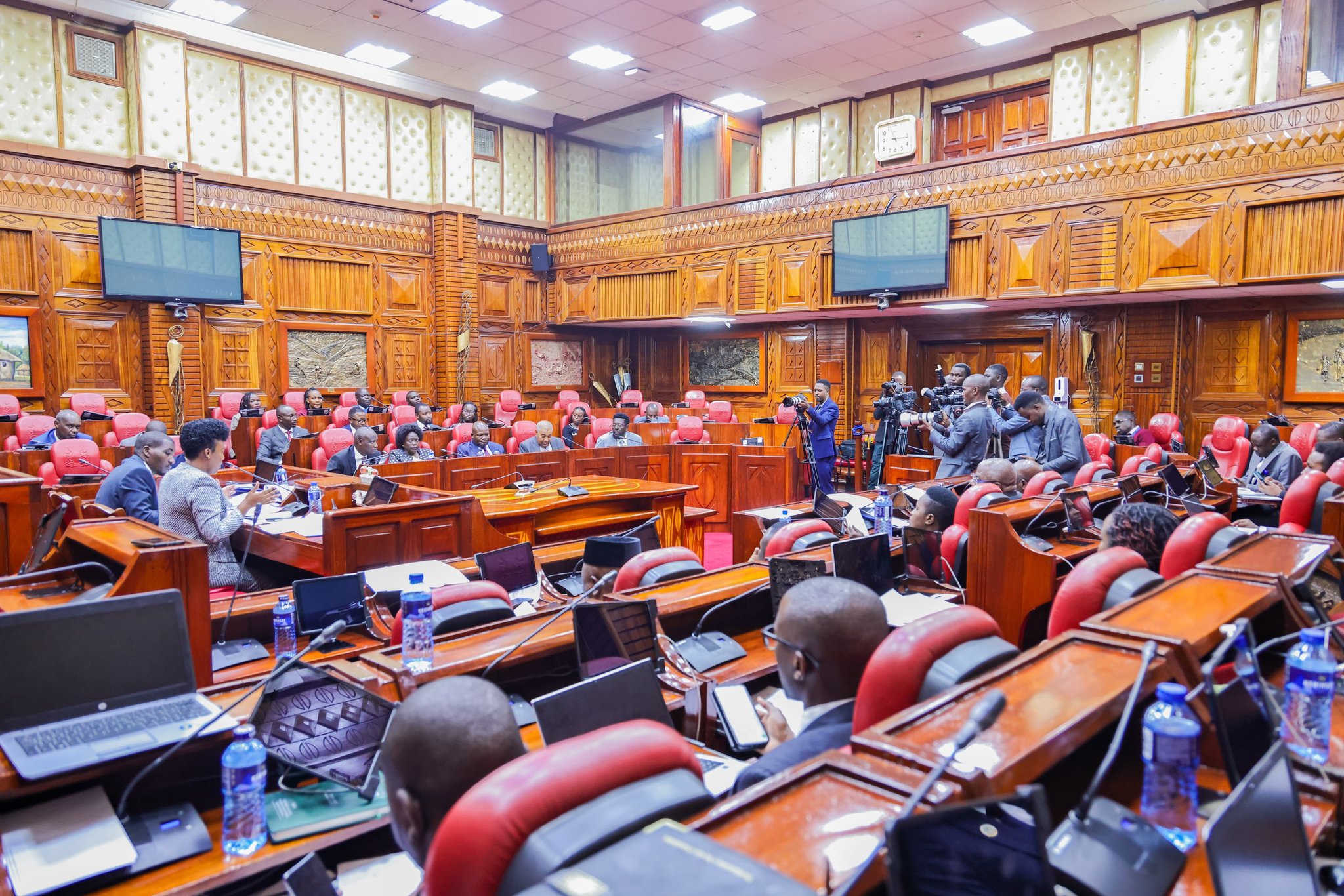
Parliamentary committees reviewing the proposed KSh4.78 trillion budget this week came under pressure to balance rising debt obligations with growing demands for education, healthcare and social spending, as public hearings entered a critical phase ahead of next month’s budget approval deadline.
The proposed 2026/27 budget — the largest in the country’s history — has reignited debate over how much fiscal room remains for development spending as debt servicing costs continue to absorb a significant share of government revenue.
At the center of the discussions is the KSh1.5 trillion allocation to Consolidated Fund Services, which mainly covers debt repayments and other mandatory obligations.
Treasury Cabinet Secretary John Mbadi has defended the spending plan as necessary to maintain fiscal stability, telling lawmakers this week that the government was “budgeting for survival” as it sought to manage rising debt obligations without increasing borrowing.
The allocation leaves Parliament with limited room to expand spending elsewhere without raising taxes or increasing borrowing.
The Treasury has defended new revenue measures, including proposed changes to eCitizen service charges, saying additional collections are needed to support public spending and manage borrowing pressures.
Among the key allocations under scrutiny is KSh4.92 billion set aside to transition 20,000 junior secondary school intern teachers to permanent and pensionable terms beginning January 2027.
The move follows months of protests by intern teachers demanding confirmation, but unions and lawmakers have questioned why the allocation covers fewer than half of the more than 44,000 teachers currently serving under internship contracts.
“The issue is not whether teachers are needed. The issue is whether the budget can sustain the transition at the scale required,” said Julius Melly, chairperson of the National Assembly’s Education Committee, during budget deliberations.
Education sector representatives appearing before lawmakers warned that leaving thousands of interns outside the transition plan could trigger renewed labor disputes next year.
At the same time, the government is facing mounting criticism over proposed changes to eCitizen charges, with civil society groups and some legislators arguing the new structure could increase the cost of accessing public services.
Treasury proposals under discussion would replace the current flat KSh50 convenience fee with a tiered model ranging from zero charges for transactions below KSh100 to as much as KSh100 for transactions above KSh100,000.
The proposals follow previous court challenges against the flat fee structure.
Critics argue the revised system would disproportionately affect high-value transactions such as land transfers and business registrations, even as the government expands digital revenue collection channels.
According to Treasury figures presented during the hearings, the eCitizen platform processes transactions worth about KSh2 billion daily.
The budget hearings also coincided with the release of the 2026 Economic Survey, which showed unclaimed financial assets rose to KSh5.2 billion last year from KSh4.3 billion in 2024.
The report showed the banking sector accounted for more than 70% of the assets, while mobile money providers held about KSh771 million.
However, the number of successful claims fell sharply, with lawmakers and analysts pointing to legal and administrative barriers that make it expensive for families to recover money left behind by deceased relatives.
Under current requirements, claimants often need letters of administration or grants of probate, processes that can cost significantly more than the value of smaller claims.
The Budget and Appropriations Committee is expected to compile recommendations from sectoral committees and public submissions before Parliament begins debate on the Appropriations Bill later this month.
Public participation hearings are scheduled to begin in counties including Nairobi, Garissa and Homa Bay from May 13 to 15 as lawmakers collect views on spending priorities and proposed revenue measures.
Economists and civil society groups attending the hearings said the debate increasingly reflects a broader fiscal dilemma: how to sustain essential public services while managing rising debt repayments and slowing donor support.
“The contest now is over the small portion of the budget that remains flexible after debt, salaries, and pensions are paid,” said a fiscal analyst from the Parliamentary Budget Office (PBO) during a technical briefing to the committee.
The budget is expected to be approved before the June 30 constitutional deadline.