Floods, Mpox outbreaks test health security response system
By Chemtai Kirui | Mombasa
Health officials and international partners meeting in Mombasa this week warned that delays in releasing emergency funds to counties are slowing responses to disease outbreaks, even as authorities grapple with simultaneous Mpox and flood-related health emergencies.
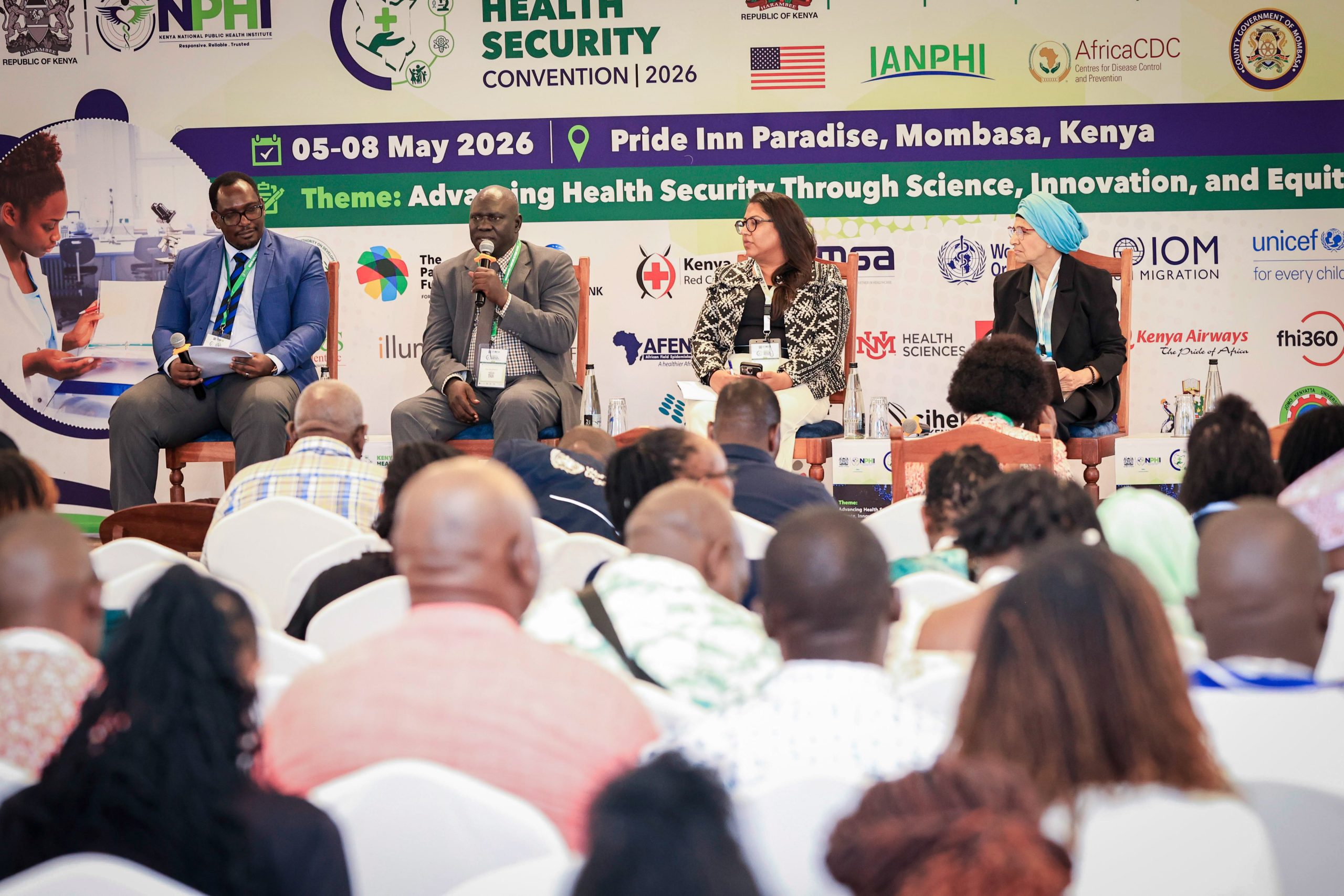
The concerns emerged during the Kenya Health Security Convention, where technical sessions focused on the Second National Action Plan for Health Security (2026–2030), a framework intended to strengthen preparedness for epidemics and climate-linked public health threats.
The convention comes as flood-hit counties continue to report rising cholera and malaria cases while health officials monitor the spread of the more transmissible Clade 1b Mpox variant in the region.
Health authorities are managing the Clade 1b Mpox outbreak under World Health Organization Grade 2 emergency protocols, alongside cholera and malaria outbreaks linked to the March-April-May floods.
Technical discussions at the convention pointed to weaknesses in emergency financing systems, particularly delays in moving funds from the national level to county health departments and frontline facilities.
“Preparedness must be embedded in our systems, not activated only during crises,” Principal Secretary for Medical Services Ouma Oluga said in remarks delivered on behalf of Health Cabinet Secretary Aden Duale.
The World Health Organization and the Kenya National Public Health Institute are promoting a “7-1-7” outbreak response target under the new plan, requiring outbreaks to be detected within seven days, reported within one day and responded to effectively within seven days.
Technical presentations reviewed during the convention showed the country was performing strongest on outbreak notification, with a reported 91% efficiency rate, but lagging on response capacity at 44%.
Health experts and county responders at the convention described the gap as “procurement paralysis”, saying emergency teams were often delayed by standard tender procedures for diagnostics, medicines and emergency supplies.
“The challenge is no longer detection alone. The challenge is how quickly resources move once an alert is issued,” one health security official told delegates during the technical sessions.
To address the delays, the convention adopted the Decision-Making Tool for Public Health Emergencies (DMT-PHE), a framework intended to trigger automatic response measures and decentralised financing once outbreak thresholds are met.
The framework will first be piloted in counties including Tana River, Garissa and Kilifi would pilot the framework first, as flood-damaged roads and delayed procurement approvals continue to slow the movement of testing kits and medical supplies in some areas.
The discussions also reflected growing concern over shrinking global health financing. Delegates said international health aid fell by about Ksh4 trillion (USD31 billion) last year, increasing pressure on governments to finance outbreak preparedness and emergency response through domestic budgets.
County health representatives said the funding strain had exposed persistent gaps, where many health departments remain dependent on delayed exchequer releases to sustain disease surveillance and outbreak management.
Presentations at the convention showed only 68% of sub-counties currently have the capacity to transport and test samples for high-risk pathogens within 48 hours, while shortages remain in trained epidemic intelligence personnel.
Researchers also presented findings linking recent floods to increased risks of zoonotic and waterborne disease outbreaks, including anthrax, rabies, cholera and malaria, reinforcing concerns about the growing intersection between climate shocks and public health threats.
The National Action Plan for Health Security aims to shift the country away from a reactive outbreak model toward integrated surveillance systems combining human, animal and environmental health data. Strengthening genomic sequencing capacity and decentralizing laboratory systems were identified among the priorities under the 2026–2030 strategy.
Delegates also discussed the role of the Kenya BioVax Institute in expanding local mRNA vaccine research and manufacturing capacity under a WHO-backed technology transfer programme launched earlier this year, which officials said could reduce emergency procurement costs over time.
The convention, which concludes on Friday, is expected to adopt the “Mombasa Declaration”, outlining financing and preparedness commitments as health officials warn that climate shocks, shrinking aid and emerging outbreaks are placing growing pressure on county health systems.