Kenya, Morocco sign 11 deals to boost drug production, cut farm costs
Agreements span health and agriculture, with focus on local drug manufacturing, fertiliser production and easing cost of living
By Chemtai Kirui | Nairobi
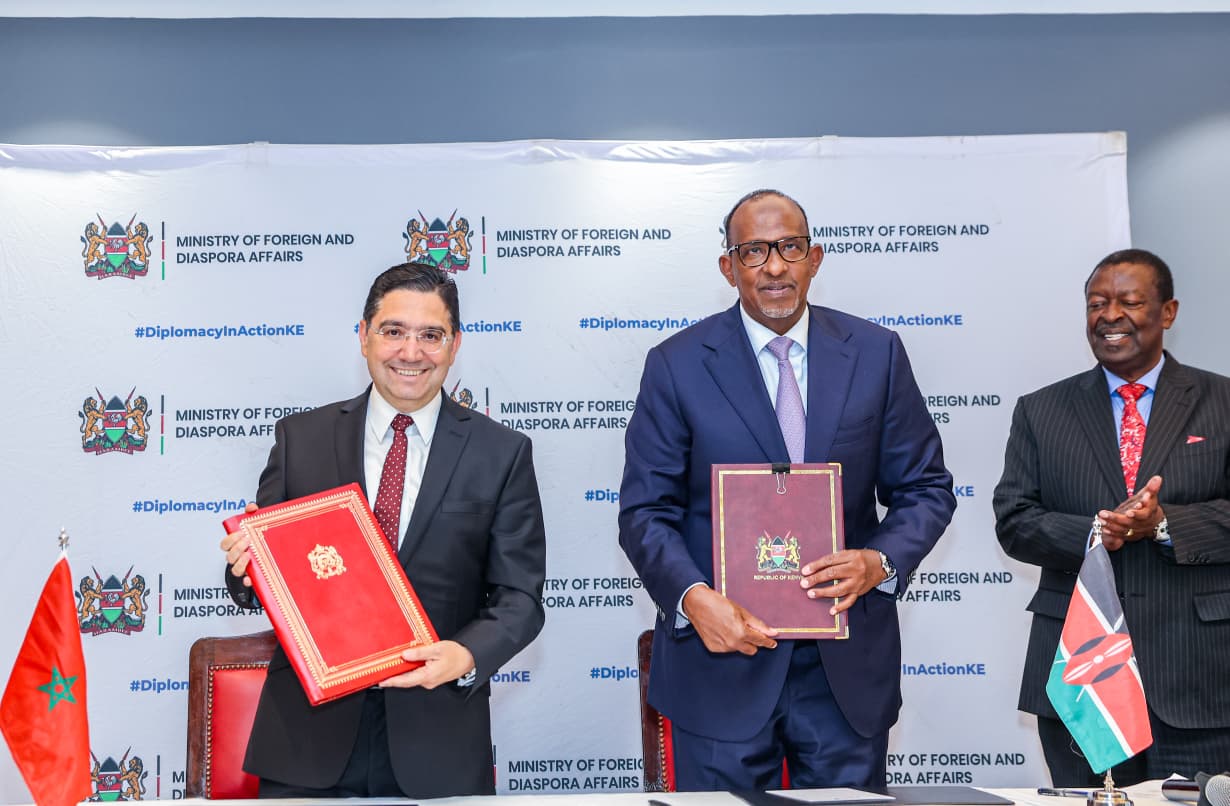
Kenya and Morocco have signed 11 cooperation agreements aimed at boosting local drug manufacturing, lowering farm input costs and expanding trade, in a move that could reduce reliance on imports and ease pressure on the cost of living.
The deals, signed in Nairobi under the inaugural Kenya-Morocco Joint Commission for Cooperation, bring together sectors spanning health, agriculture, education and fisheries, alongside trade, skills development and gender programmes.
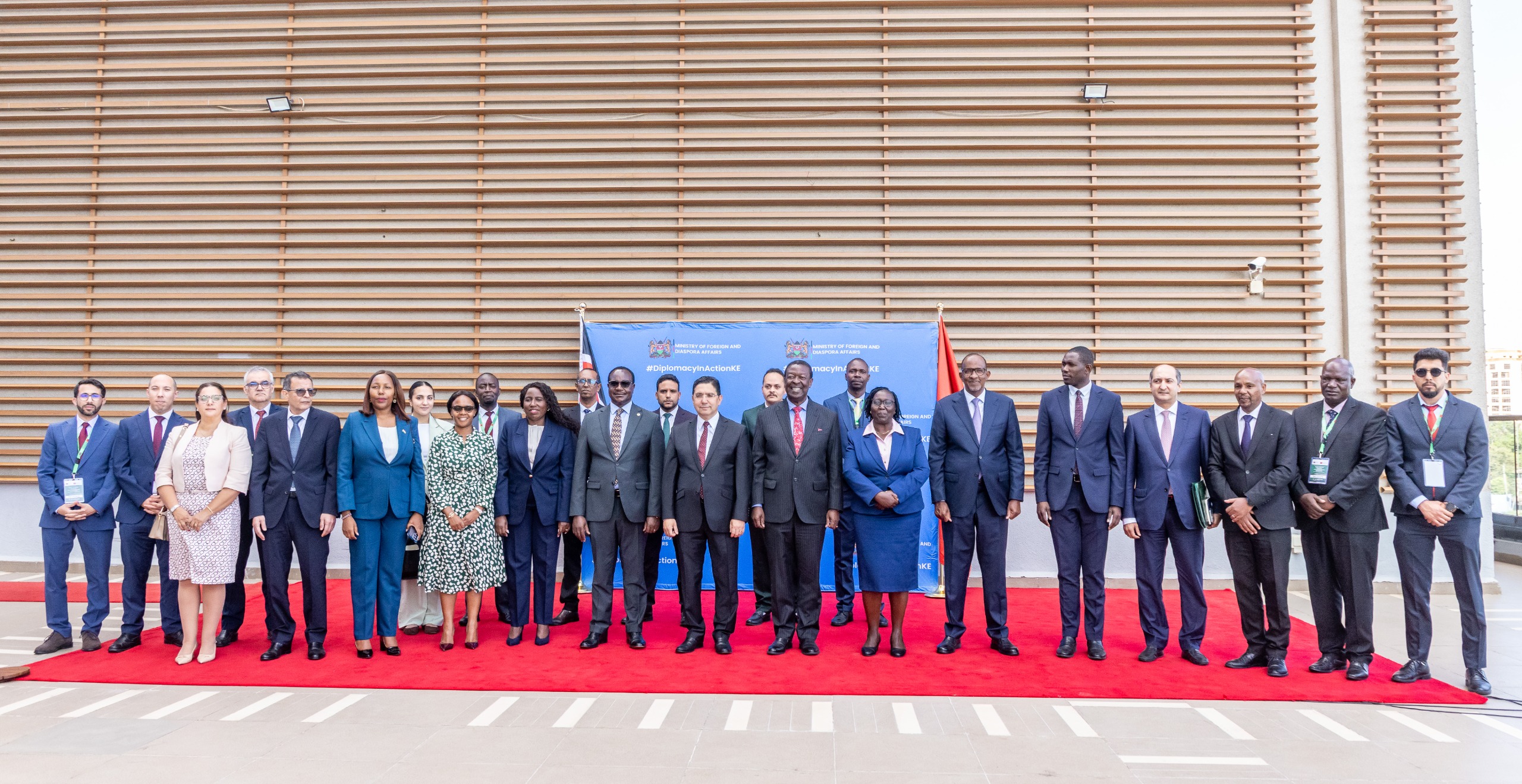
Co-chaired by Prime Cabinet Secretary Musalia Mudavadi and Moroccan Foreign Minister Nasser Bourita, the agreements signal a shift toward deeper economic ties following Nairobi’s move to reset relations with Rabat.
“We witnessed the signing of 11 bilateral instruments, marking a major step in strengthening our partnership and delivering tangible outcomes for our two nations,” Mudavadi said.
At the centre of the package is a health agreement that opens the door to local production of essential medicines and vaccines, alongside joint disease surveillance and specialist training.
The cooperation prioritises training in nuclear medicine and emergency medicine, two areas where the nation faces specialist shortages.
Health Cabinet Secretary Aden Duale said the partnership would expand access to affordable medicines, including generics, while strengthening pharmaceutical regulation and supporting the development of traditional medicine.
It also establishes cooperation on epidemiological data sharing and research to improve early detection and coordinated responses to disease outbreaks, alongside disease surveillance systems for epidemic-prone illnesses.
The cooperation further covers control of endemic and communicable diseases, including sexually transmitted infections such as HIV/AIDS.
The arrangement positions the country to tap into Morocco’s established pharmaceutical industry, with the long-term goal of shifting a significant share of drug supply from imports to local production.
The agreement builds on existing cooperation, including a Morocco-backed cochlear implant programme implemented with the Princess Lalla Asmaa Foundation, which has supported 70 children through procedures at Kenyatta National Hospital and Moi Teaching and Referral Hospital and is now being expanded into a long-term training model.
The new framework introduces a “training of trainers” approach, equipping surgeons and paramedics to deliver the procedures locally, while also covering training for pharmacists, laboratory specialists, paramedical instructors, hospital administrators and public health professionals.
In agriculture, the deals formalise cooperation with Morocco’s OCP Group to support fertiliser blending and production within the country, a step aimed at lowering input costs for farmers.
Fertiliser prices have been a major driver of food inflation, and local production could ease supply pressures while stabilising prices.
The agreements also extend to agro-processing and food systems, linking farm inputs to broader efforts to strengthen food security.
The country will also draw on Moroccan expertise to expand fisheries and aquaculture as part of a push to develop the blue economy along the Indian Ocean coast and inland water bodies such as Lake Victoria.
The focus is on fisheries management, technology transfer and value chain development to increase output and create jobs.
Beyond sectoral cooperation, the agreements reflect a broader diplomatic shift.
After years of strained relations tied to the Western Sahara dispute, Kenya has moved toward a United Nations-led framework as the basis for resolving the issue, clearing the way for closer economic engagement.
The new package builds on earlier agreements signed in 2025 and adds momentum to a growing South-South partnership.
Both countries have also prioritised the resumption of direct flights between Nairobi and Casablanca, a move expected to reduce transport costs and open up trade routes between East and North Africa.
Additional provisions include scholarships and skills exchange programmes, including fully funded scholarships at undergraduate, master’s and PhD levels, with a focus on STEM fields and industrial manufacturing.
A joint communiqué outlines plans to fast-track a bilateral tax agreement to prevent double taxation and improve the investment environment.
The deal, the first of its kind between the two countries, is expected to remove tax duplication for businesses operating across both markets, lowering the cost of cross-border trade and investment.
The agreements point to a broader shift in Kenya’s economic strategy—toward building domestic production capacity while leveraging industrial partnerships beyond its traditional trading partners.