
Construction continues at disputed Imenti Forest airstrip despite court restrictions
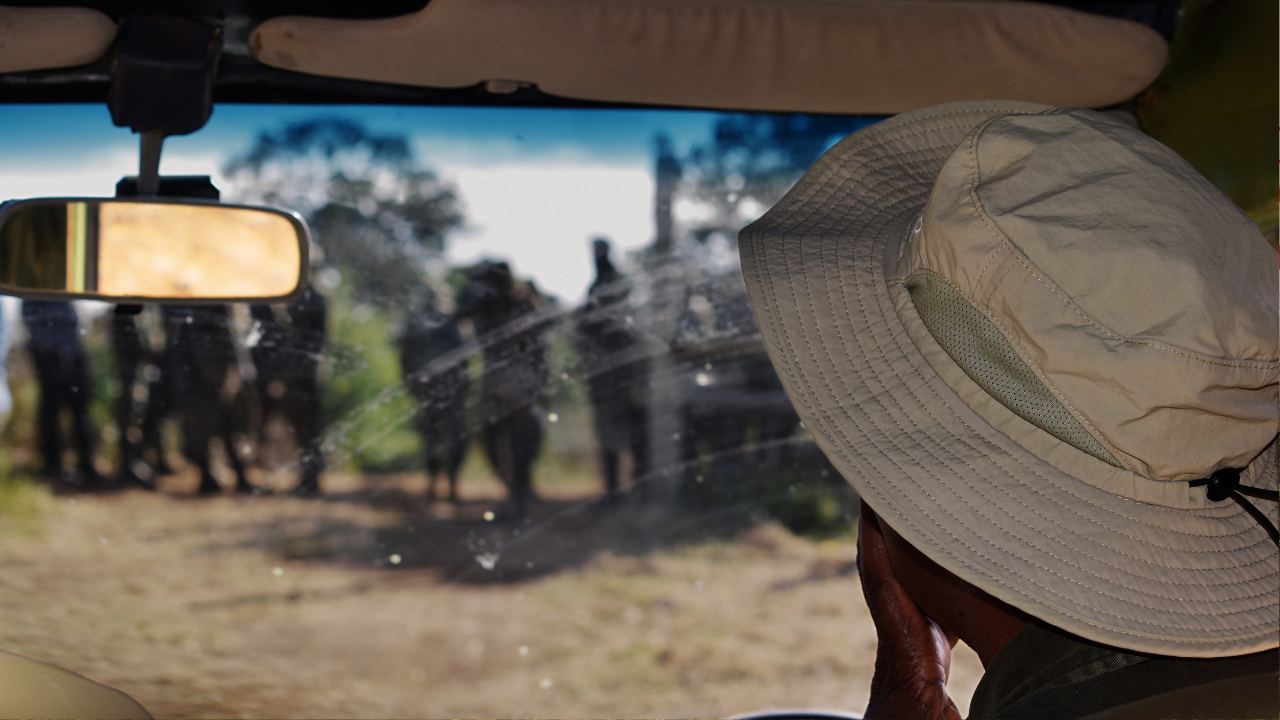
Armed KFS rangers block journalists and conservationists at Kithoka gate as the government continues clearing the reserve.
By Chemtai Kirui | Meru
Construction of a state-backed airstrip inside a protected section of the Mount Kenya ecosystem has continued despite court orders restricting activity at the site.
The project, which forms part of a development plan including a new State Lodge and a golf course, has drawn formal complaints from conservation groups tracking an elephant corridor and water catchment area.
Last week, journalists and conservationists attempting to access the site were stopped by armed Kenya Forest Service (KFS) officers. Rangers maintained a round-the-clock cordon at the Kithoka Gate section of the Upper Imenti Forest, blocking public access to the development area.
Outside the electric perimeter fence, local farmers gathering hay stood by the road. Several residents said that their primary concern is whether they will be permitted to continue cultivating crops under the state-managed Plantation Establishment and Livelihood Improvement Scheme (PELIS), which allows community bean farming inside the forest canopy.
Several attempts to gain access to the reserve proved unsuccessful. Although senior KFS officials later engaged members of the visiting group at the gate, the decision stood and journalists were directed to seek answers at KFS offices instead.
With access denied and no further discussions forthcoming, the convoy proceeded towards Meru town to seek answers from KFS officials.
Just beyond the Kithoka Gate barricade, the convoy rolled slowly to a stop.
Two elephants were spotted feeding in the forest a short distance from the road, eating in the strip of forest that runs alongside the tarmac.
Across the electric fence, facing each other, a grandmother and a young child worked in a small roadside shamba.
Neither seemed particularly concerned by the other’s presence.
The elephants continued feeding.
The pair continued tending their crops.
No one moved.
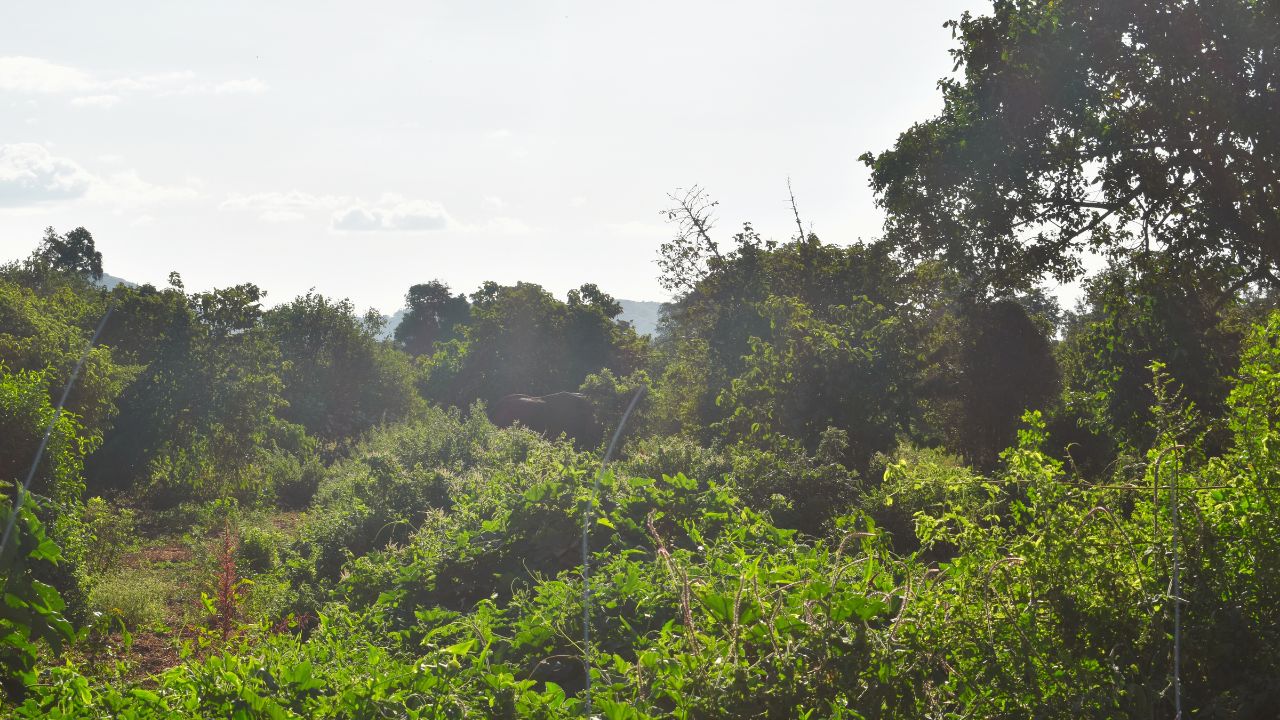
Conservation groups say that increased development inside the forest could place additional pressure on that coexistence.
The road into Upper Imenti passes through a landscape engineered around elephants.
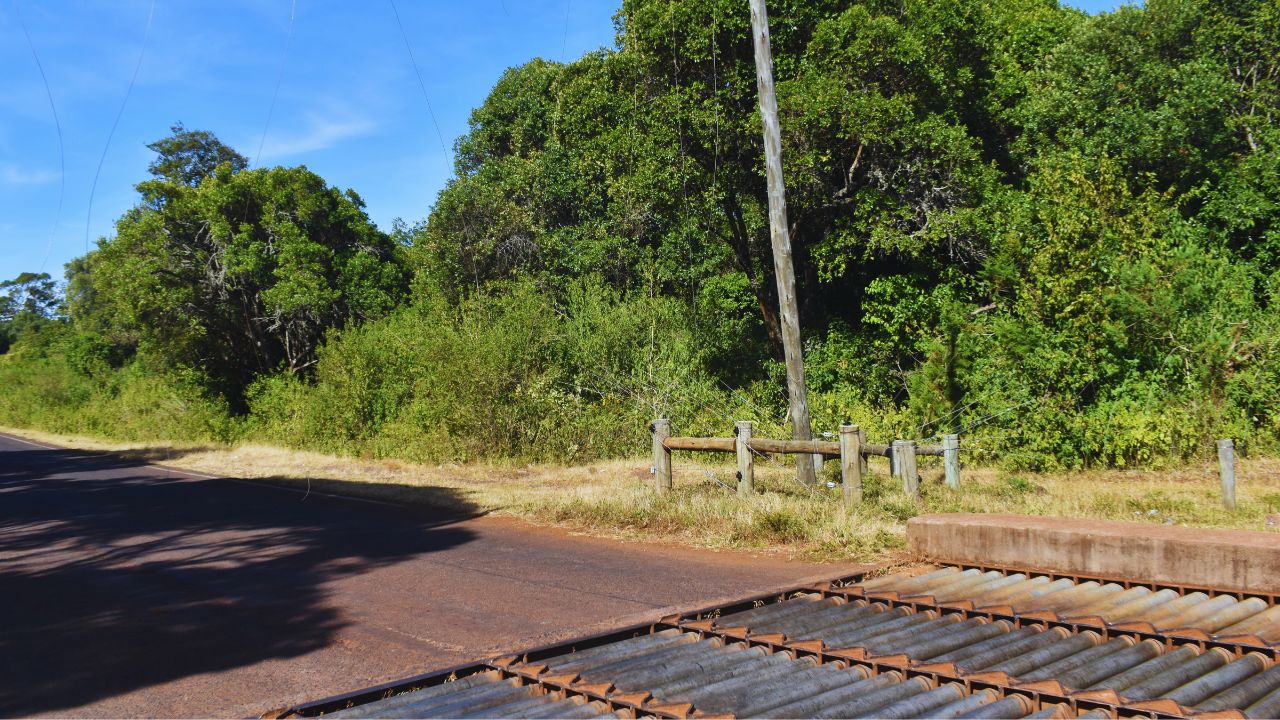
Metal animal grids cut across the tarmac at several points. Further ahead, a roadside pole fitted with sensors, floodlights and loudspeakers forms part of an automated elephant-deterrent system. When animals approach the road, the system is triggered to emit noise and light designed to discourage them from crossing.
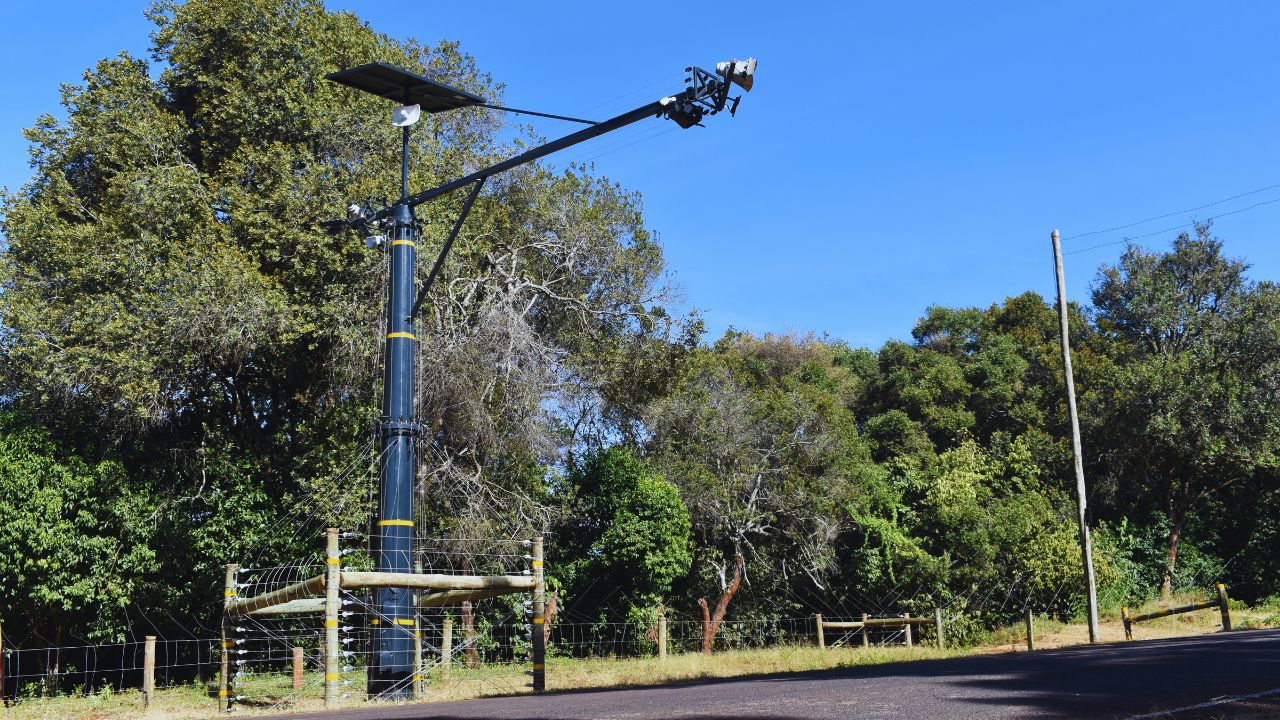
A few kilometers on, electric fencing appears. Then the automated gates.
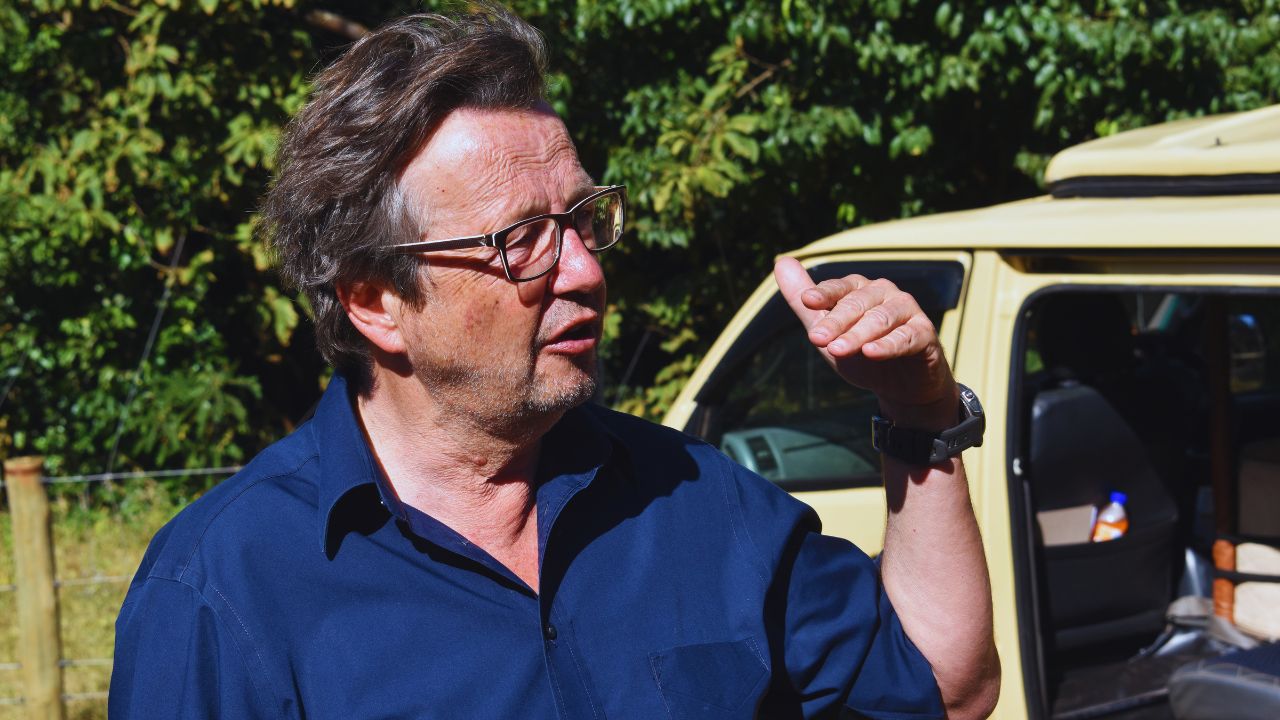
“None of this is here by accident,” said Christian Lambrechts, Executive Director of Rhino Ark, who submitted an eight-page formal objection letter to the government, the morning of the site visit.
Unrolling a map of the ecosystem for reporters, Lambrechts said that the forest floor currently under excavation sits directly on the hydrological divide between two primary water catchments: the Tana River and the Ewaso Nyiro.
“The rivers on one side of Imenti flow down toward the Tana, which feeds the bulk of the country’s hydropower plants and massive irrigation schemes,” Lambrechts said. “On the other side, they flow into the Ewaso Nyiro, which is the sole lifeline for the arid lands north of Nanyuki and Isiolo.”
He said the importance of the forest had long been recognized by the state. In 2000, the government transferred management of the gazetted Mount Kenya forest area to KWS as a national reserve, citing the need for “maximum protection” of its resources.
To manage the heavy wildlife density along the settled borders of Meru town, Rhino Ark and KWS constructed a specialized 54-kilometre double-fence system across the Upper and Lower Imenti forests. The barrier forms part of a wider Mount Kenya conservation program that has attracted more than KES 1 billion in investment over the past 14 years.
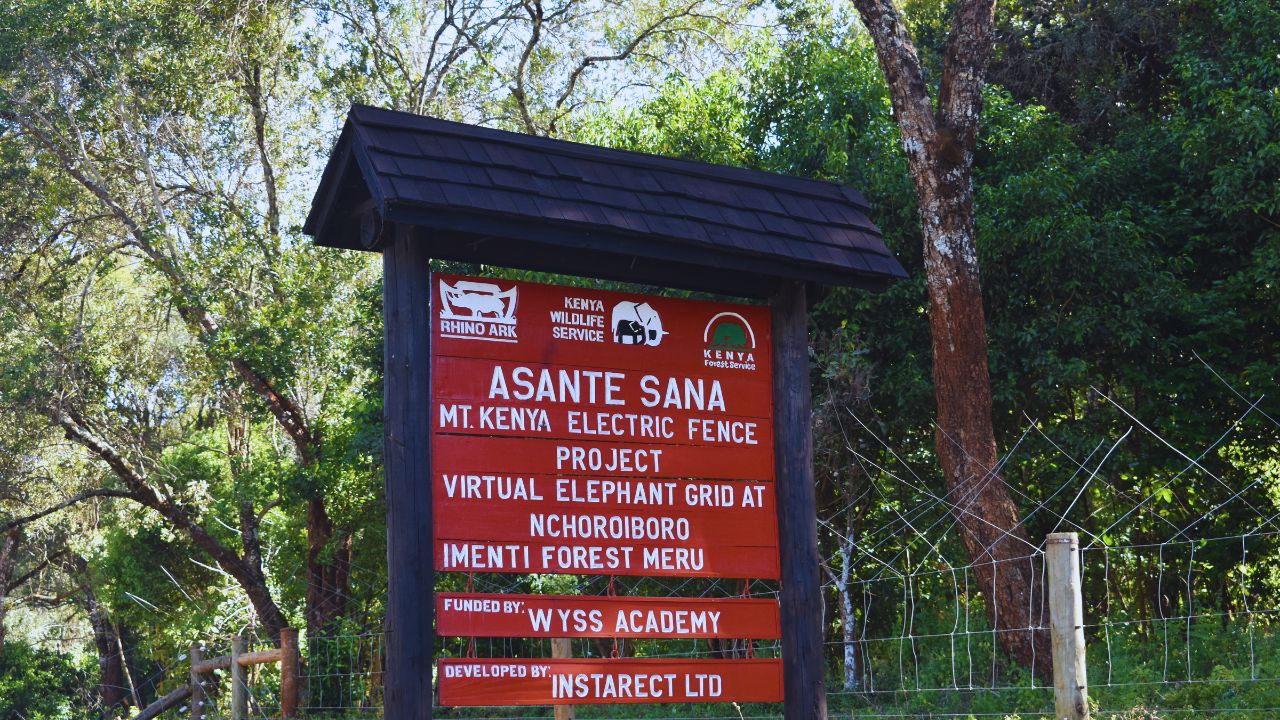
“We built a normal fence at first, but the elephants were so determined to get through that they kept breaking it,” Lambrechts said, adding that prior to the double-fence, the area lost an average of five community members every year to fatal elephant encounters.
“We didn’t build a double fence to waste resources,” he said. “We built it because there are many elephants in this specific forest. It is an area where pregnant elephants traditionally travel to calve.”
Lambrechts said that replacing this elephant maternity ground with an active runway and increased human foot traffic alters the space. Because elephants navigate using memory passed down through generations, herds follow established paths.
If these paths are blocked or disrupted, conservationists predict the animals will move outward into neighboring agricultural communities like Kithoka and Giaki.
Efforts to obtain answers from local forest officials yielded little. By the time journalists reached the main KFS offices in Meru town shortly after 5pm, access to the compound had been restricted and interviews were not permitted.
The reporting team later relocated to the neighboring Kenya Wildlife Service (KWS) offices, where conservation groups outlined their objections to the project.
Forestry Principal Secretary Gitonga Mugambi has described the proposed airstrip as an economic necessity, saying that Meru’s limited aviation links have constrained tourism, investment and emergency response despite the county’s sizable economy.
Mugambi rejected claims that the project amounted to a land grab, describing the cleared eight-acre site as a strategic operations base for forest protection.
“The Mount Kenya forest covers 600,000 acres and some of it has been destroyed,” Mugambi said, arguing that effective surveillance of the ecosystem requires an operational runway for enforcement aircraft and drones.
“What we are doing is setting up a KFS operation base to strengthen surveillance and monitoring. The eight acres will help save the 600,000-acre forest,” he said while speaking at the Meru University of Science and Technology Innovation Conference.
Meru Governor Isaac Mutuma has also dismissed calls to halt the project, saying that the land in question belongs to the government and that construction will continue, with authorities replanting trees removed during the works.
The governor has also defended plans for a golf course, presenting the wider development as a source of jobs and investment rather than a threat to the surrounding environment.
Opposition to the project is now playing out both in court and before environmental regulators.
The legal challenge is being driven by five Meru residents, including Mugambi Imanyara and Charles Mutuma Mbogori, who petitioned the Meru Environment and Land Court to halt the development.
Their filings allege that construction activities continued after the court first directed that the status quo within the forest be maintained on June 11.
Sentinel-2 imagery dated June 11 and shared by Rhino Ark appears to show a newly cleared strip cutting through the forest canopy at the proposed runway site.
The dispute intensified on June 23 when Justice Oguttu Mboya issued fresh conservatory orders explicitly restraining any clearing, surveying, licensing, construction or development linked to the proposed airstrip, State Lodge, golf course and related facilities pending further directions from the court.
Alongside the court case, conservation organizations have also challenged the project’s regulatory approvals.
Organizations including the Rhino Ark Charitable Trust and Greenpeace Africa have filed formal complaints with the National Environment Management Authority (NEMA).
They argue that no Environmental and Social Impact Assessment (ESIA) has been made public and that no NEMA license has been produced for the project.
The court has also directed government agencies and other respondents to disclose project documents, including environmental approvals, permits, feasibility studies and records of public participation, potentially bringing greater clarity to a project that has so far attracted questions over its regulatory compliance.
In a further order, the court authorized inspection of the disputed section of forest by petitioners or experts appointed by the court, potentially opening the area to independent assessment after access restrictions imposed at the site.
The legal arguments will become clearer at the inter-parties hearing on June 29.
According to data from the Wildlife Research and Training Institute (WRTI), Kenya’s overall elephant population has increased from 36,280 in 2021 to approximately 41,952 individuals, driven by strict anti-poaching penalties and consistent conservation funding.
Scientific surveys undertaken by the Wildlife Conservation Society and KWS place the Mount Kenya population between 1,900 and 2,600 elephants, with Upper Imenti hosting the highest concentration during the dry season.
Rhino Ark has proposed upgrading Gaitu Airstrip instead of developing inside the reserve, arguing that the alternative would avoid risks to a protected ecosystem while preserving aviation access for Meru.
Near Kithoka Gate, the scene remains unchanged.
Construction activity continues deeper inside the forest. Along the roadside, elephants feed beneath the canopy. Across the fence, a woman and child tend their crop.
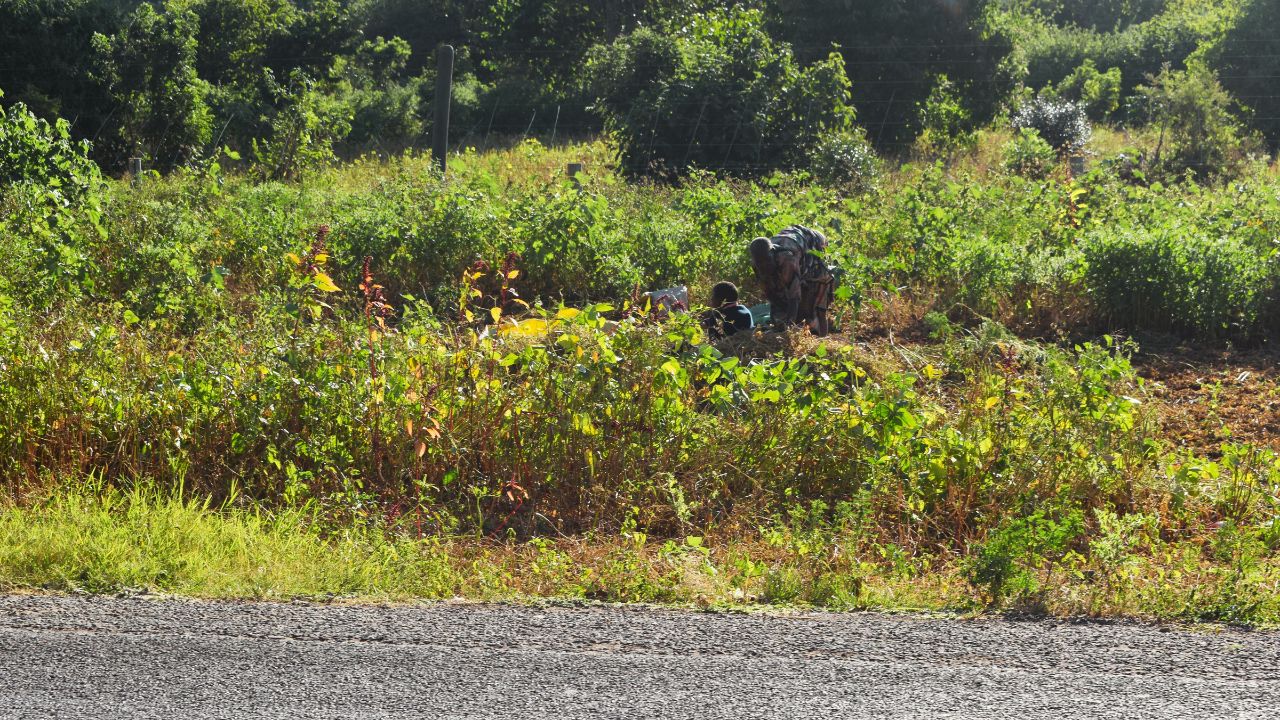
For now, people and elephants occupy the same landscape without incident.
Whether that balance can be maintained as development advances deeper into the Mount Kenya ecosystem is now being contested in court, before environmental regulators and at the forest edge itself.