Dangote’s Lamu refinery: what is being built, why does the country want it and what could it mean?
USD16bn (approx. KSh 2.07 trillion) project has broken ground in Lamu, but questions remain over crude supplies, financing, land rights, environmental safeguards and what it will mean for the region.
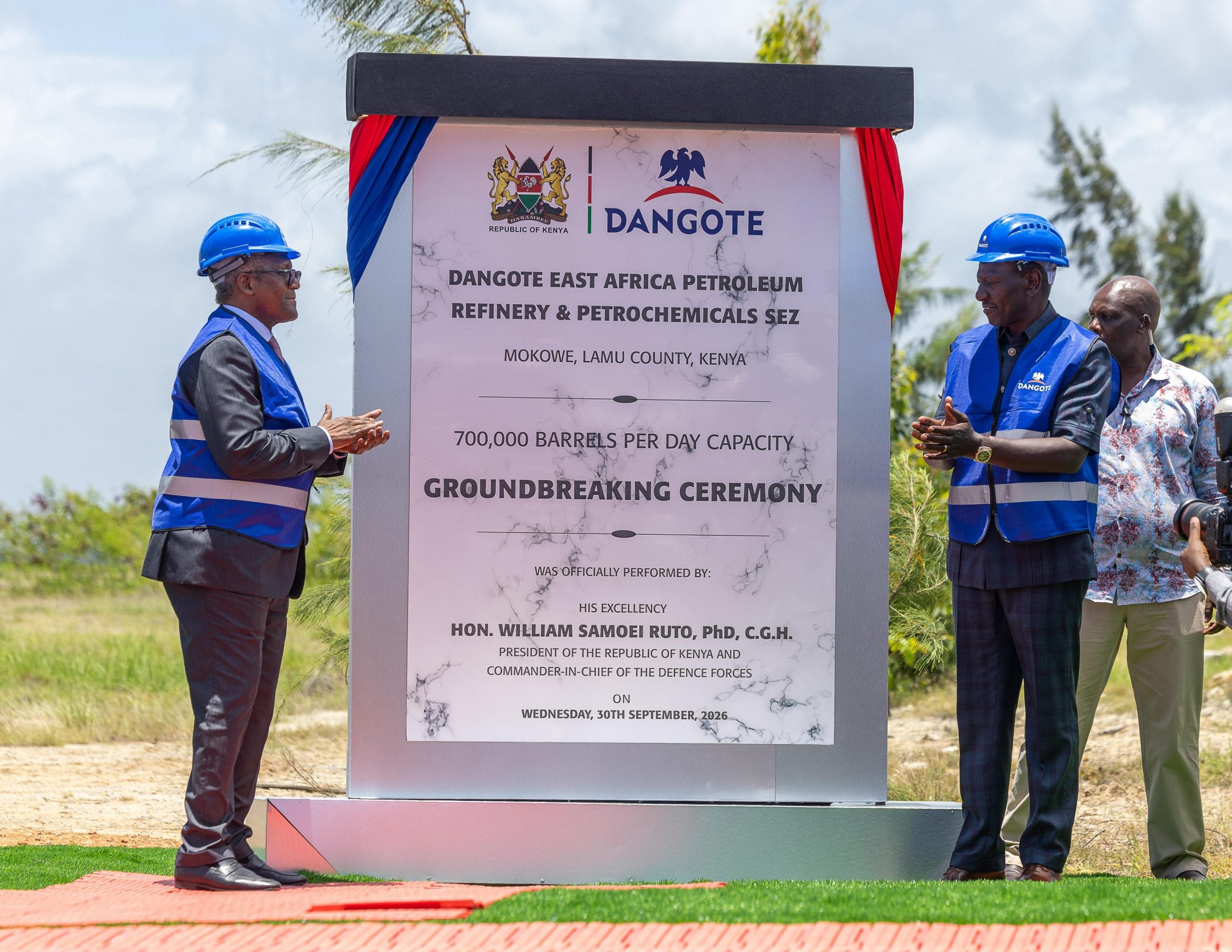
Construction has begun on an approximately KSh 2.07 trillion (USD16bn) oil refinery in Lamu that is expected to process 700,000 barrels of crude a day.
President William Ruto and Nigerian industrialist Aliko Dangote broke ground on the project on Wednesday, 30 September. Dangote says the facility will be commissioned within 40 months.
The refinery is intended to supply petrol, diesel and jet fuel to the country and neighbouring countries, while also producing industrial materials including polypropylene and base oil. It is planned as the anchor of a wider industrial complex incorporating power generation, fertiliser and chemical manufacturing.
The country currently imports its petroleum products in refined form. In 2025, the country imported 5.5m tonnes of petroleum products and spent KSh528.8bn on them, according to the Kenya National Bureau of Statistics.
But the refinery is still a project under construction, not a functioning source of fuel. Its eventual impact will depend on questions that remain unresolved, including where it will get enough crude, how the investment will be financed, how a land dispute will be resolved and what environmental safeguards will apply.
What exactly is being built?
The Dangote East Africa Petroleum Refinery is planned as a 700,000-barrel-a-day crude oil refinery in the Mokowe/Hindi-Manda Magogoni area of Lamu county, within the wider Lamu Port-South Sudan-Ethiopia Transport, or Lapsset, corridor.
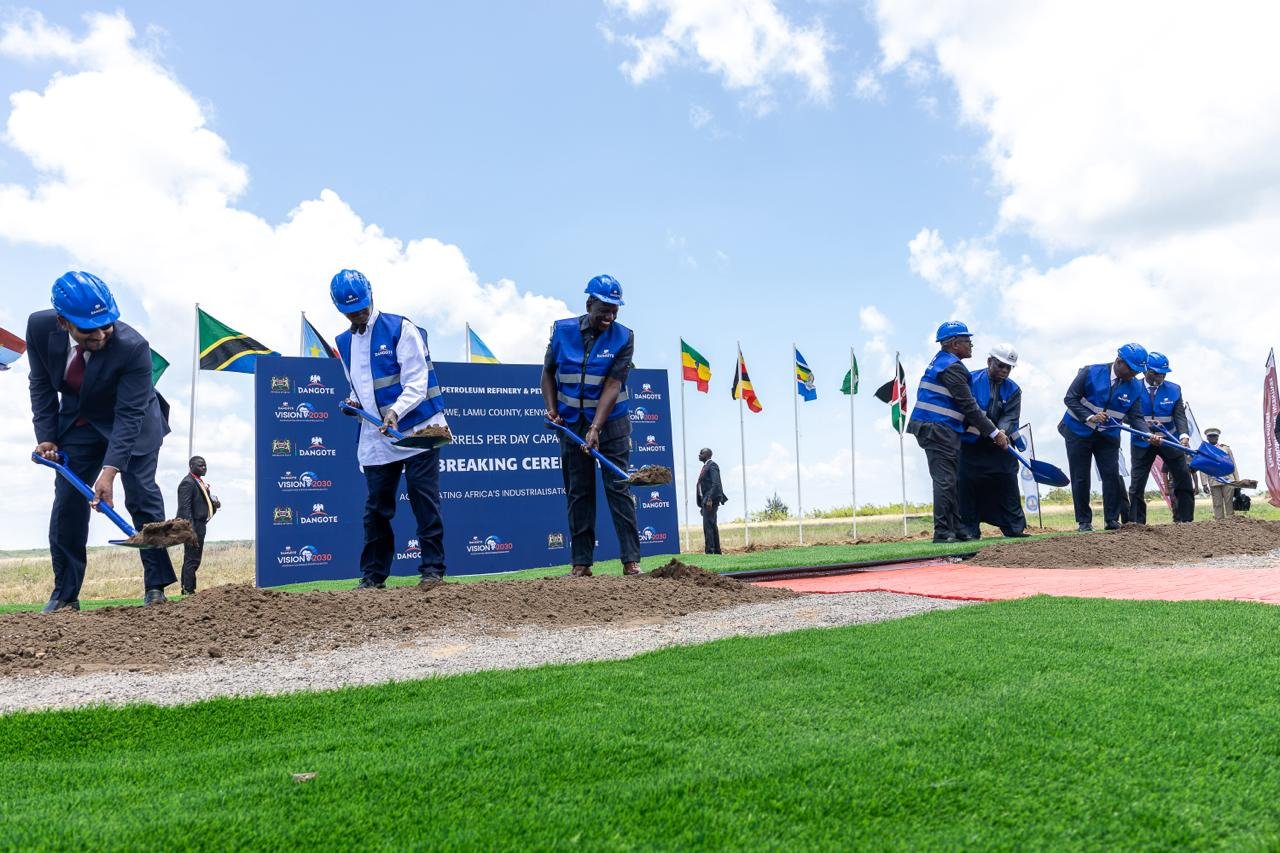
At full capacity, it would be one of the largest refineries in Africa and larger than Dangote’s 650,000-barrel-a-day refinery in Lagos.
The refinery is expected to produce conventional transport fuels including petrol, diesel and jet fuel. Dangote has also said the complex will produce polypropylene and base oil, which can be used by manufacturers, including plastics and other industrial businesses.
The wider development is planned to include a 1,000MW power plant as well as fertiliser and chemical manufacturing facilities, according to the government.
That distinction matters. The refinery is the anchor project, but Dangote is pitching something larger: an industrial complex in which petroleum processing provides fuel, power and raw materials for other businesses.
Why does Kenya want a refinery?
The immediate reason is simple: the country imports refined petroleum products.
The former Mombasa refinery stopped refining operations years ago, leaving the country dependent on imported petrol, diesel, aviation fuel and other petroleum products. EPRA says all of its petroleum product requirements are currently imported in refined form.
Those imports are expensive in foreign currency. KNBS recorded a petroleum import bill of KSh528.8bn in 2025, although the figure fell from KSh575.5bn in 2024 as international crude prices declined.
A refinery in the country could change part of that supply chain. Instead of buying finished fuel overseas, crude could be imported, processed locally and the resulting products distributed domestically and across the region.
That does not mean petrol prices would automatically fall.
Pump prices are influenced by international crude prices, transport, insurance, taxes, levies, storage, distribution and other costs. EPRA’s pricing formula includes the landed cost of imported petroleum products among the components used to calculate maximum wholesale prices.
Local refining could remove some import and freight costs and reduce exposure to disruption in overseas refining and shipping.
What the refinery can offer more directly is a change in the fuel supply chain. Whether that translates into cheaper petrol will depend on its costs and the wider oil market.
Why was Lamu chosen?
The location is closely tied to the Lamu port and the Lamu Port-South Sudan-Ethiopia-Transport Corridor (Lappset).
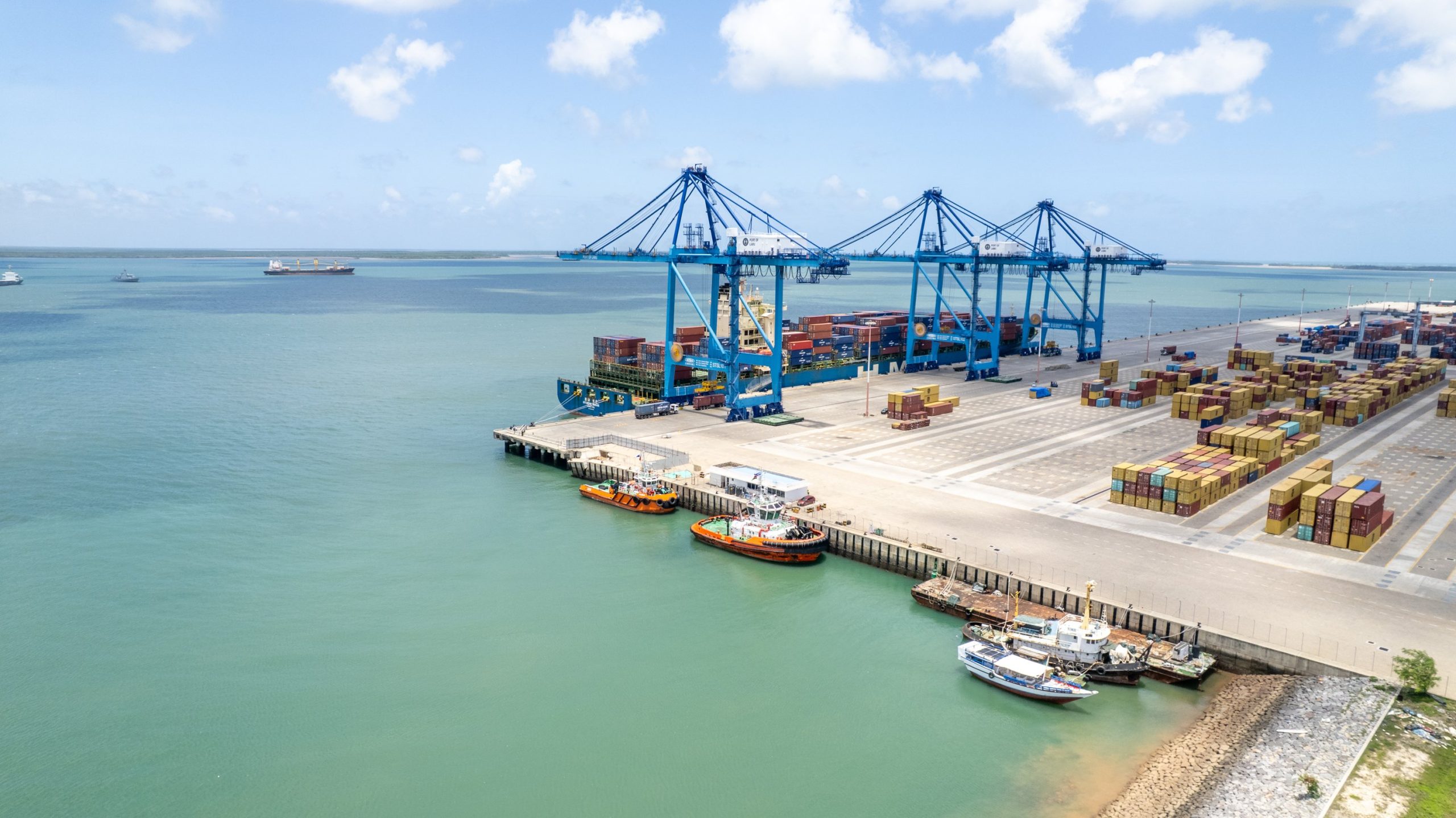
The Kenya Ports Authority says Lamu’s main channel has a natural depth of about 17 metres, while its eastern channel can accommodate vessels with a draught of 17 metres and above.
The port’s natural depth is one reason it was chosen for a project that will need to import large volumes of crude.
The port is also the coastal anchor of Lapsset, the planned transport corridor linking the coast with South Sudan and Ethiopia, alongside associated road, rail, pipeline and other infrastructure.
For Dangote, the attraction is therefore not simply a piece of land on the coast. It is the combination of a deep-water port and access to a proposed regional transport network.
But some of the infrastructure needed to support a refinery of this size still has to be built or expanded. The Lapsset Corridor Development Authority says the special economic zone still requires additional storage infrastructure to support the planned refinery.
Where will the refinery get its crude?
A 700,000-barrel-a-day refinery will need a large and reliable supply of crude. Where that crude will come from is one of the project’s biggest unanswered commercial questions.
The country has crude resources in the South Lokichar basin in Turkana, but commercial production has not begun. The development has faced delays over commercial, technical and infrastructure questions, so the refinery cannot currently rely on local crude to supply it.
The government and project proponents have an obvious reason to link the two projects eventually. If the Turkana oilfields are developed, crude could be transported to Lamu and processed at the refinery, creating a domestic chain from production to refining.
But that is a future possibility, not a current source of supply.
In the meantime, the refinery is expected to draw on crude from other producers, including regional and international sources. Uganda and South Sudan have oil resources that could potentially form part of a regional supply network, while crude could also arrive by sea through Lamu.
The scale makes this a significant logistical challenge. A refinery designed to process 700,000 barrels a day would need long-term access to enough crude, as well as the pipelines, storage facilities and port infrastructure required to move it reliably to the plant.
That also means building the refinery will not make the country self-sufficient in oil. It would give the country the capacity to process crude locally, but some or much of that crude could still have to be imported.
Whether Turkana eventually supplies the refinery will depend on commercial oil production and the infrastructure needed to connect the fields to Lamu.
Why is Dangote building it?
Dangote is a Nigerian industrialist whose businesses include cement, fertiliser, food manufacturing and oil refining.
His most relevant experience is the Dangote Petroleum Refinery in Lagos, which has a nameplate capacity of 650,000 barrels a day. Honeywell, which worked on that project, is providing engineering services, technology licensing and equipment for the Lamu refinery.
The Lamu project is therefore not Dangote’s first attempt to build a large refinery. But it would be a substantially different proposition, requiring crude supplies and distribution networks across East Africa rather than serving primarily one domestic market.
What could it mean for jobs?
The project is expected to create a large number of jobs, but the headline figure needs context.
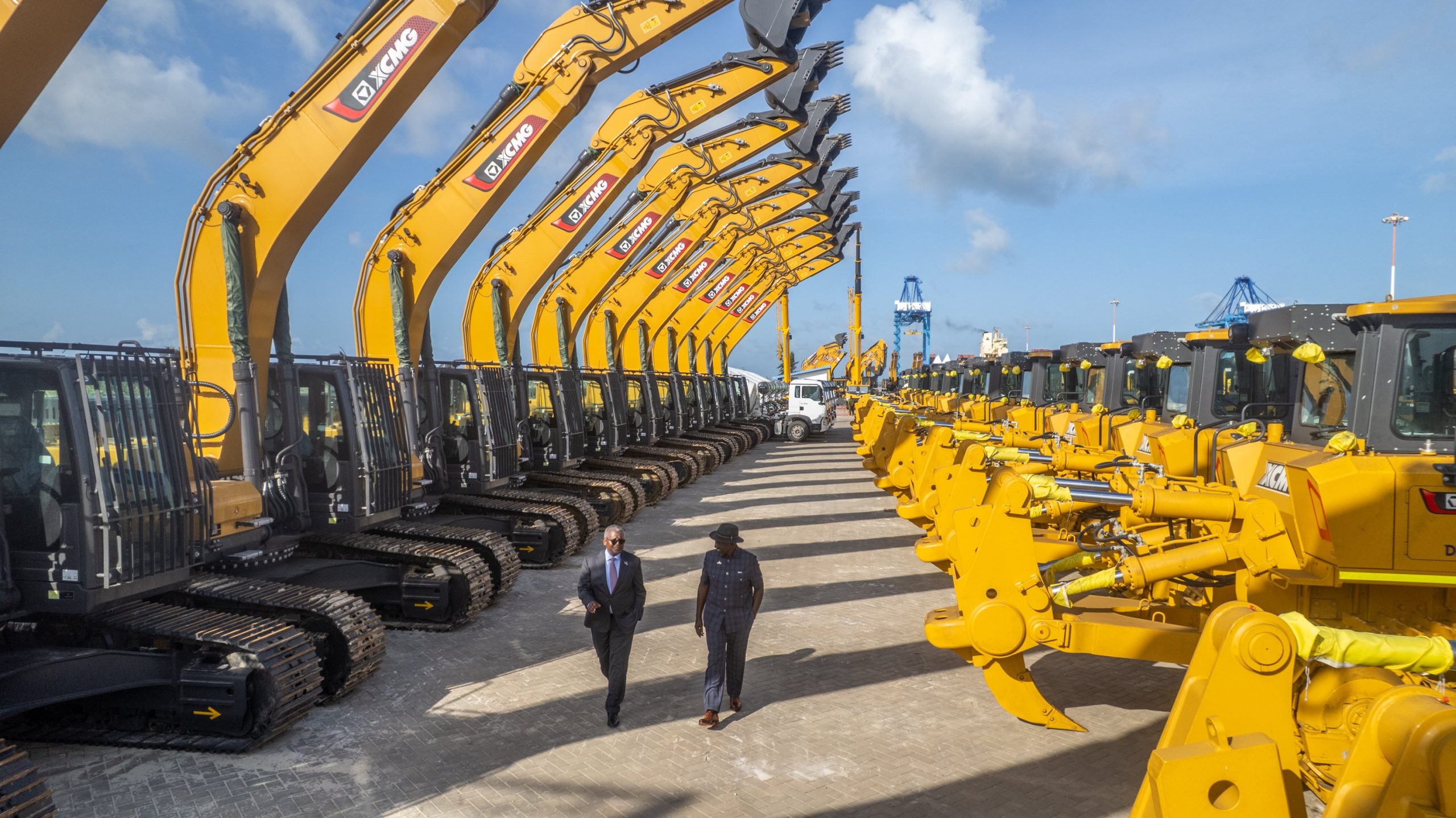
Ruto has said the refinery will create about 60,000 jobs. Dangote has also used a figure of more than 60,000 people at the height of the project, while noting that this includes the wider economic ecosystem rather than simply permanent refinery jobs.
A project of this size will require engineers, construction workers, logistics operators, technicians, security staff, suppliers and other workers during construction. Some of those jobs will disappear once construction ends.
Permanent operating jobs at a highly automated refinery would be a much smaller number than the peak construction workforce.
Dangote has also announced plans for a training school in Lamu to train 1,000 local people for technical roles.
For communities around the project, therefore, the question is not simply how many jobs will exist. It is who will be qualified to take them and how many will remain after construction.
What else could the complex produce?
The refinery is being presented as the anchor of a broader industrial cluster.
Petroleum products would include petrol, diesel and jet fuel. Dangote has also identified polypropylene and base oil as products for industrial users.
Polypropylene is a plastic raw material used in products ranging from packaging to manufactured components. Producing it locally could give Kenyan and regional manufacturers a domestic source of some industrial feedstock.
The project is also planned to include fertiliser and chemical manufacturing facilities, according to the government.
The power component is another part of the proposal. Dangote said at the groundbreaking that the complex would generate 1,000MW of electricity.
These are plans rather than benefits already being delivered. The industrial effect will depend on whether the associated plants are built, whether electricity can be integrated into the national system and whether manufacturers locate around the complex.
Could it change Lamu’s economy?
The government says the refinery and associated Lapsset infrastructure could turn Lamu into an industrial and logistics centre.
There is already a large economic transformation under way around the port. The refinery would add another major industrial activity to that corridor.
But Lamu is also a county with an established coastal economy built around fishing, tourism, farming and marine resources.
The county contains about 37,350 hectares of mangrove forest, roughly 61% of Kenya’s total mangrove area, according to the Kenya Forest Service.
That makes the location economically valuable in ways that cannot be measured only through industrial output.
What are the environmental concerns?
The project is being built in a particularly sensitive coastal environment.
Lamu’s mangroves support fisheries, protect shorelines and store carbon. The county also contains Lamu Old Town, a Unesco World Heritage site.
Unesco says the authenticity of Lamu Old Town is vulnerable to development and inadequate infrastructure. It also notes that its protected setting includes the Manda and Ras Kitau mangrove skyline and the Shela sand dunes.
The concerns surrounding the refinery include the effects of industrial construction, emissions, wastewater, marine traffic and potential accidents on coastal and marine ecosystems.
Environmental groups have raised concerns about the refinery’s proximity to Lamu’s sensitive marine and heritage environment.
The existence of those concerns does not establish that the refinery will cause a particular environmental harm. The relevant question is what environmental assessments, permits, monitoring systems and mitigation measures apply as construction proceeds.
That will be one of the issues to watch as the project moves from groundbreaking to construction.
What about the land dispute?
This is the most immediate legal issue surrounding the project.
A group of 133 Chandavai residents has gone to the Malindi Environment and Land Court over LR No 13061 in the Hindi-Manda Magogoni area.
The residents say their families have occupied, cultivated and developed parts of the land for generations. They are challenging the development on land they claim as ancestral property and have raised questions about land rights, compensation and resettlement.
On 28 September, Justice Jane Onyango ordered the parties to maintain the existing status quo on the disputed parcel until 14 October, when the application will be heard between the parties.
The court did not grant the residents’ request to stop the 30 September groundbreaking.
Dangote said the court order would not prevent the ceremony, although it could affect activities at the site.
That distinction is important. The groundbreaking has taken place, but the underlying land dispute has not been resolved.
Ruto said at the groundbreaking that land matters would be handled lawfully and fairly, and that environmental and social impacts would be assessed rigorously, with agreed safeguards enforced during construction and operation.
For now, the question of land rights, compensation and resettlement remains part of the case before the court.
Does the refinery mean the country will stop importing fuel?
No.
Even if the refinery reaches its planned capacity of 700,000 barrels a day, the country and the wider region will remain dependent on the international oil market.
The refinery could reduce reliance on imported refined products if it produces enough fuel at competitive prices for the domestic and regional markets. But it would still need crude, some of which could be imported.
And refining capacity does not automatically translate into cheaper fuel. The economics depend on the cost of crude, refinery efficiency, financing, transport, taxes and the prices at which the products can be sold.
The project would change where and how petroleum products are processed, but it would not remove the country from the global oil market.
Could it make the country a regional fuel supplier?
The refinery is much larger than the country’s current refining needs. Its business model therefore depends on regional and other export markets.
That gives the project a regional commercial logic. Uganda, Tanzania, Rwanda, Burundi, Ethiopia, South Sudan and the Democratic Republic of Congo all depend to varying degrees on imported petroleum products, while landlocked markets rely on road, rail and pipeline corridors to move fuel inland.
Lamu could give the refinery access to those markets through the Lapsset transport network. But the plant will have to compete with existing supply routes and other refining projects, and its ability to serve the region will depend on the storage, transport and distribution infrastructure being built alongside it.
Uganda, for example, continues to pursue its own refinery plans. President Yoweri Museveni said at the Lamu groundbreaking that Uganda still intended to develop a smaller refinery, arguing that East Africa would need several facilities as demand grows.
The scale of the proposed plant also means that securing crude is only half of the commercial challenge. Dangote will need to find buyers for the refined products and move them economically into regional markets. A 700,000-barrel-a-day refinery cannot depend on the country’s demand alone.
There is also a potential market for industrial products beyond fuel. Dangote says the complex will produce polypropylene, base oil and fertiliser alongside petroleum products. These could provide raw materials for manufacturers in the country and neighbouring markets, but that will depend on the associated plants being built and operating commercially.
The refinery is therefore being designed around a regional market as much as a local one. Whether that market can absorb its output at competitive prices will be one of the project’s central commercial questions.
What happens next?
The groundbreaking marks the project’s move from proposal to construction. But the refinery will still need a reliable supply of crude, financing and the storage, transport and distribution infrastructure required to move its products into the country and neighbouring markets.
The land dispute remains before the Malindi Environment and Land Court, while the environmental safeguards promised for Lamu’s mangroves, marine ecosystems and heritage landscape will come under scrutiny as construction proceeds.
Dangote has said the refinery will be commissioned within 40 months. For now, the next test is whether the infrastructure, financing and crude supply needed to make it work can follow.