
World Cleanup Day shifts focus from rubbish to food waste
Kisii hosts national celebrations as counties introduce new ways of separating organic waste
More than 1 billion meals are wasted around the world every day. This year, World Cleanup Day is putting food waste at the centre of its global observance.
The global event, being marked on Sunday, has moved beyond the familiar image of volunteers clearing rubbish from streets and public spaces. Its 2026 theme, “From Clean Plates to Clean Cities”, focuses on preventing food waste and recovering organic material before it becomes part of the urban waste stream.
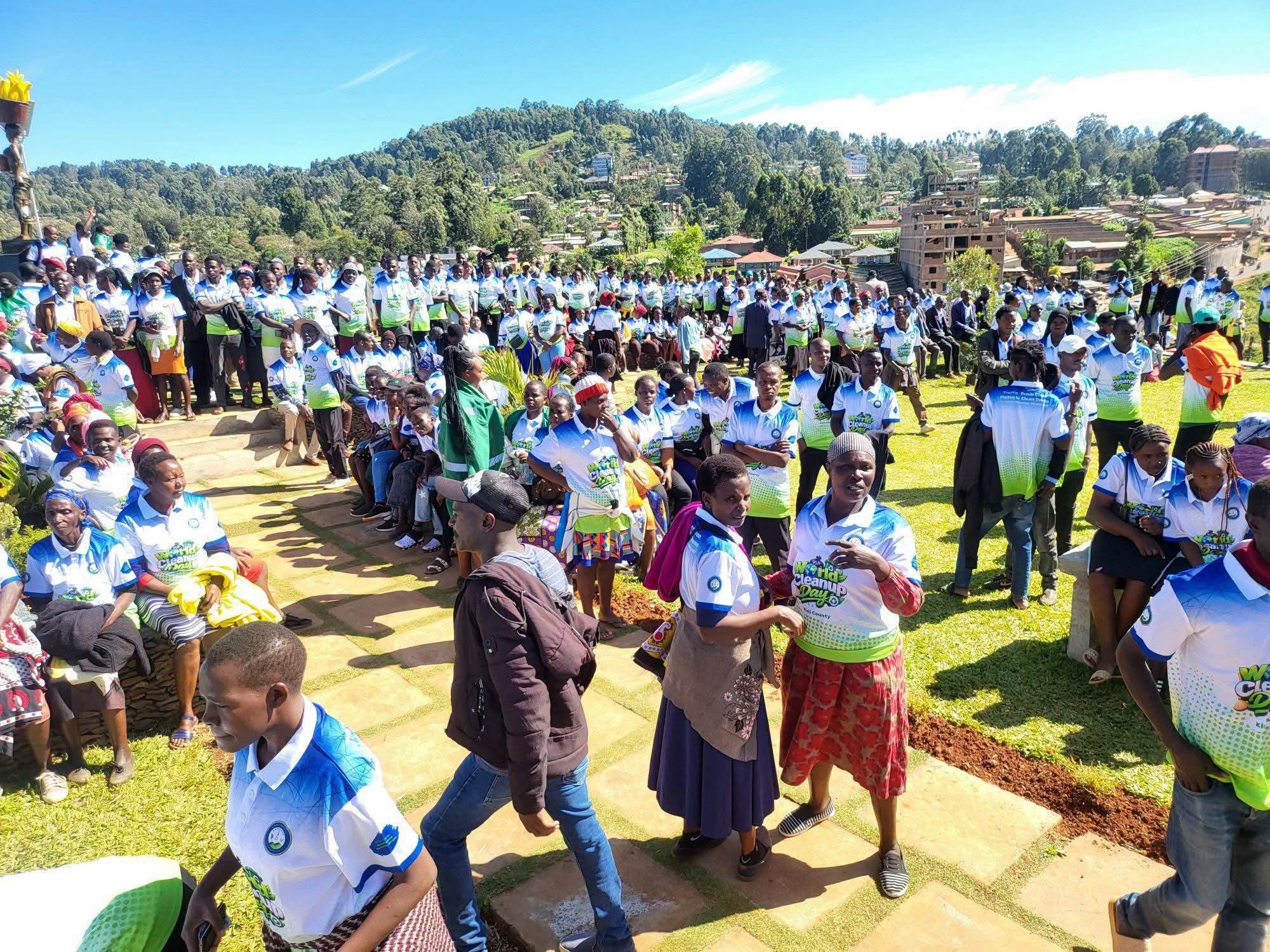
National celebrations are being held in Kisii, where the county has begun introducing colour-coded bins for different types of rubbish.

Green bins are for organic waste, black for general waste and blue for recyclables. More than 50 skip bins are planned for markets, according to the county, with collected waste to be taken to a facility for sorting, recycling and disposal.
Kisii has also received waste-recycling equipment worth KSh170 million at its waste-management facility through the UK-backed Sustainable Urban Economic Development programme. The county says the equipment will support waste segregation, recycling and recovery.
The changes come as waste regulations require households, businesses and other waste generators to separate organic and non-organic waste at source. Waste collectors are required to keep the different streams separate during transport.
Nema has also directed counties to reorganise existing dumpsites, with separate areas for organic waste, general waste, material left after recovery and waste destined for landfill.
The amount of organic material entering municipal waste streams can be substantial. In Kisumu, a Nema assessment found that organic waste made up 63.1% of municipal waste, with about 250 tonnes of waste generated each day at the time of the study.
The UN Environment Program estimates that 1.05 billion tonnes of food were wasted in 2022 at household, food-service and retail levels. That was about 19% of food available to consumers, with households accounting for 60% of the waste.
Food waste also contributes to climate change, with food loss and waste estimated to account for 8–10% of global greenhouse-gas emissions.
Much of that material does not have to become waste at all. Food that can still be eaten can be redistributed, while unavoidable organic waste can be composted or otherwise recovered.
UN-Habitat says cities should focus on preventing food waste, keeping edible food in use and recovering organic material that cannot be avoided.
The national event is being held in Kisii as counties begin putting systems in place to separate waste before it reaches disposal sites.