Agroecology meeting in Bomet: What’s on agenda, who is attending?
The push for common agroecology frameworks, stronger markets for farmers and closer links between conservation and agriculture are expected to dominate discussions.
By Chemtai Kirui | Bomet
Conservation practitioners, researchers and policymakers from 11 African countries are meeting in South Rift this week to address three questions shaping the future of agroecology: how it should be defined, how farmers can earn a living from it and how it can be integrated into conservation and government policy.
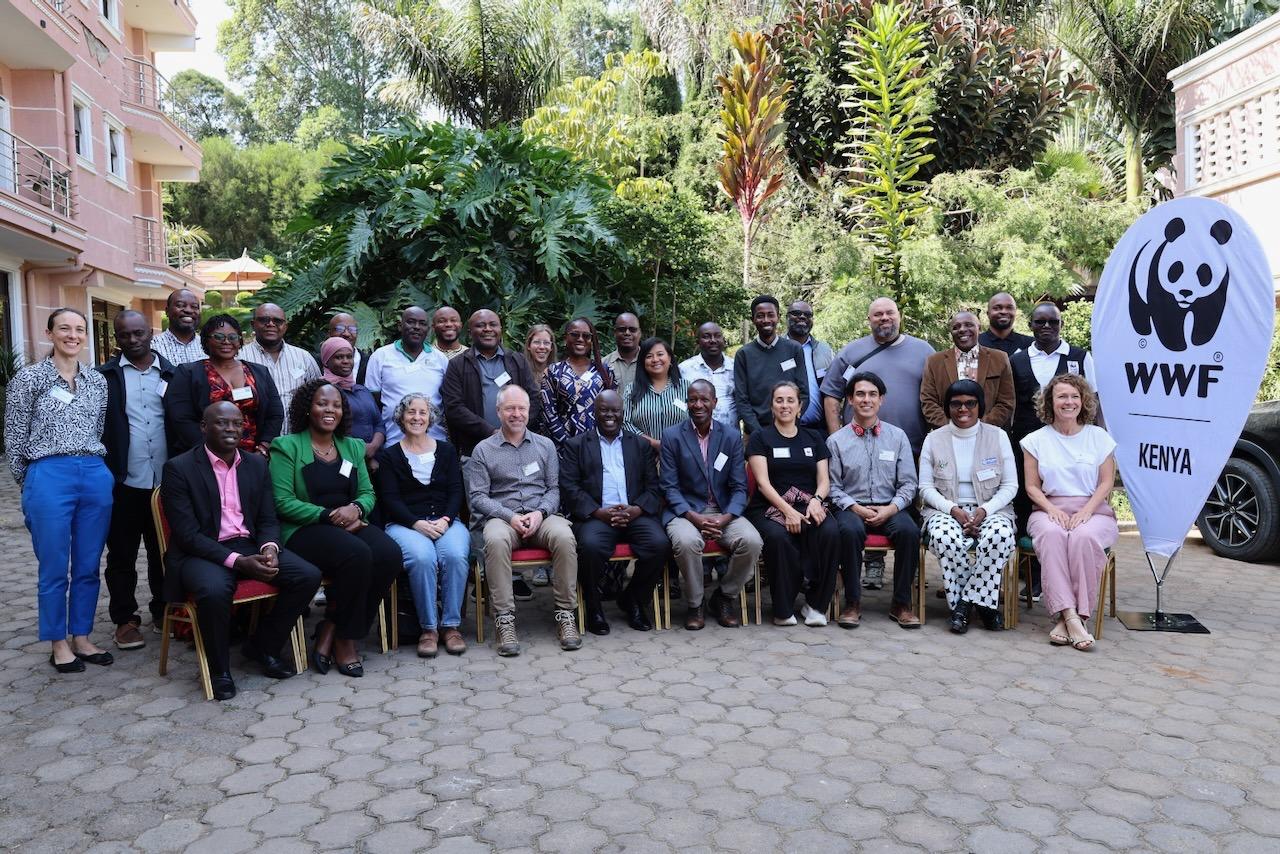
The three-day Africa Agroecology Regional Exchange, taking place in Bomet County from June 22 to 24, has brought together about 30 participants from across Eastern, Central and Southern Africa at a time when governments, conservation groups and development organisations are increasingly embracing agroecological approaches to food production.
Yet even as governments and conservation organisations embrace agroecology, basic questions remain unresolved. The meeting repeatedly returned to how agroecology should be defined, how its impact should be measured and whether it can generate reliable incomes for farmers.
The workshop, organised by WWF and the Biovision Foundation under the Agroecology for Life Initiative, is seeking to address those questions while exploring how agroecology can contribute to food security, biodiversity conservation and climate resilience.
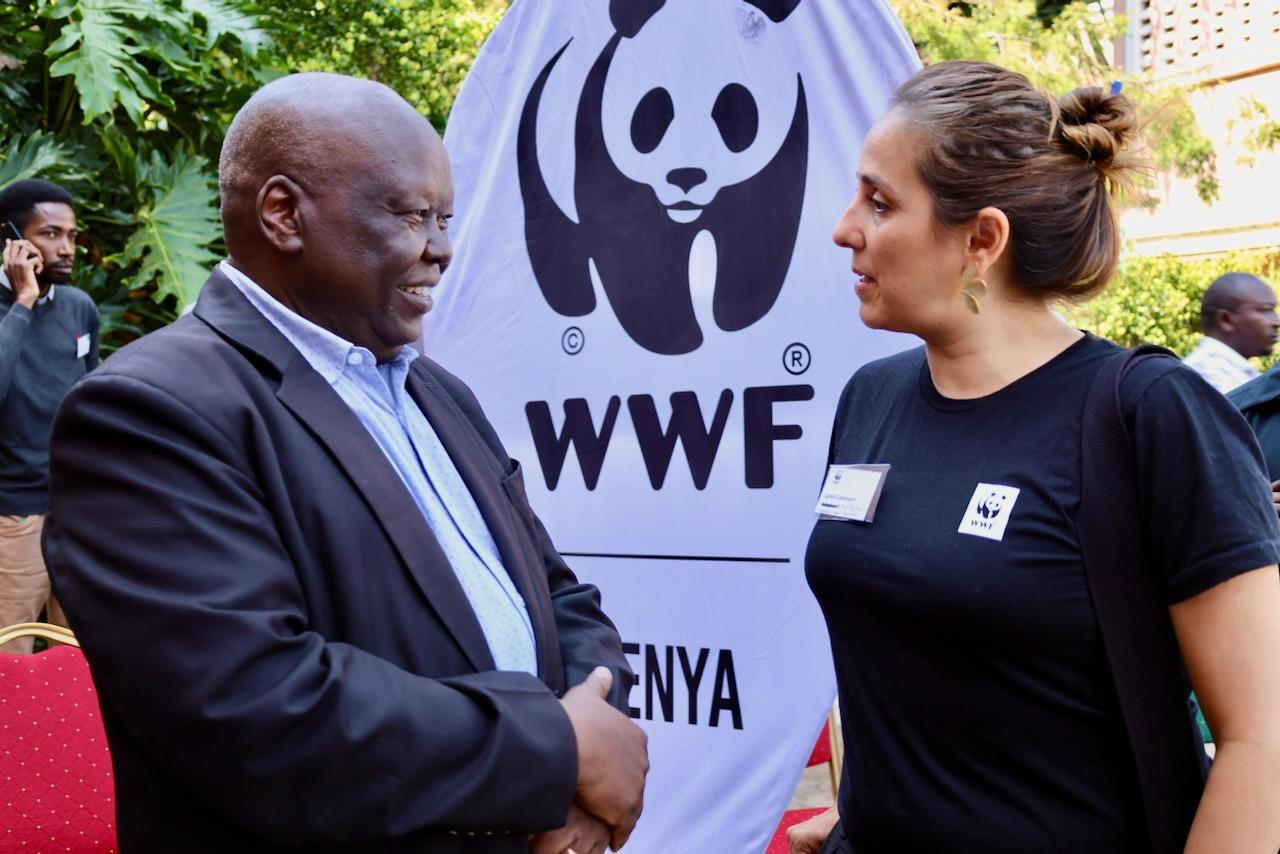
“Agroecology is not just a farming approach — it is also a powerful conservation strategy,” Karen Luz, deputy leader of WWF’s Global Food Practice, told participants during the opening session.
Martina Hediger, chief executive officer of the Biovision Foundation, said discussions should focus less on proving whether agroecology works and more on how successful approaches can be scaled and integrated into conservation and development agendas.
Participants include representatives from WWF country offices, government institutions, civil society organisations, research institutions and development partners from Cameroon, the Central African Republic, the Democratic Republic of Congo, Gabon, Kenya, Madagascar, South Africa, Tanzania, Uganda, Zambia and Zimbabwe.
Speakers at the opening session included Luz, Hediger, WWF-Kenya Rift Lakes Manager Kevin Gichangi, Bomet Deputy Governor Shadrack Rotich and agroecology practitioners from Tanzania and Zimbabwe.
Rotich officially opened the meeting on behalf of the county government, while organisers outlined plans to strengthen collaboration between conservation and agroecology practitioners across Africa.
What is agroecology?
Agroecology is an approach to food production that applies ecological principles to farming systems. Supporters say it can improve food security, restore degraded landscapes, strengthen biodiversity and reduce dependence on external agricultural inputs.
The approach combines scientific knowledge with local farming practices and is increasingly being promoted as part of broader efforts to address climate change, biodiversity loss and land degradation.
However, several participants argued that many agroecological principles have existed in African farming systems for generations.
Reguli Marandu, an agroecology expert with WWF Tanzania, said many communities were already practising forms of agroecology through indigenous knowledge, diversified farming systems and traditional land management practices long before the concept became part of development and conservation policy discussions.
A recurring theme throughout the meeting was confusion over what agroecology actually means. Ayesiga Buberwa, a policy strategist with the international development organization Iles de Paix Tanzania who has spearheaded efforts to harmonize national frameworks, argues that organisations often use different definitions and approaches despite pursuing the same goals.
According to Buberwa, inconsistent interpretations among donors, governments, and NGOs have led to fragmented messaging and implementation on the ground, adding that those differences have made it harder to develop policy, attract investment and explain agroecology consistently to governments, donors and farmers.
She said the strategy sought to align concepts such as organic agriculture, regenerative agriculture and nature-based approaches under a common framework.
Buberwa said Tanzania’s national agroecology strategy was developed partly because organisations were using different definitions and approaches, and the Bomet meeting is looking at how similar frameworks could help bring greater coherence elsewhere.
The discussion comes as Kenya begins implementing its National Agroecology Strategy for Food System Transformation 2024–2033, launched in 2024 to provide a national framework for promoting agroecological practices, coordinating stakeholders and integrating agroecology into agricultural planning and food systems policy.
Questions about whether agroecology can generate reliable incomes surfaced repeatedly during the opening sessions.
Marandu said many farmers using agroecological practices still struggle to access reliable and profitable markets, reducing incentives for wider adoption.
“One of the biggest challenges facing agroecological producers is market access,” Marandu said. “While farmers are producing healthy and sustainable food, many struggle to access reliable and profitable markets.”
Marandu said weak markets can create a disconnect between what farmers produce and what consumers demand, sometimes forcing producers to reserve healthier food for household consumption while growing more commercially attractive crops for sale.
He said that agroecology would struggle to attract younger farmers unless it could generate meaningful economic returns and create viable business opportunities.
Marandu also said tourism, local restaurants and other sectors could help create stronger local markets for agroecological products.
Another theme in the meeting was how much agroecology-related work conservation groups are already doing without always labelling it that way.
Eliane Steiner, a policy and advocacy officer at the Biovision Foundation, told participants that conventional agriculture had contributed to biodiversity loss, soil degradation and water pollution, while diversified farming systems could improve resilience and support ecosystem services.
Discussions highlighted that many conservation projects already promote agroforestry, landscape restoration and sustainable water management, even if those activities are not formally labelled as agroecology.
Participants are discussing how agroecology can contribute to international biodiversity commitments, including efforts to promote nature-positive production systems and restore degraded ecosystems.
Bomet Deputy Governor Shadrack Rotich, whose county is hosting the regional exchange until Wednesday, said county governments had a responsibility to support environmentally sustainable farming through legislation, partnerships and budget allocations.
“Agroecology should be supported through policy frameworks, legislation and budget allocations,” he said.
A broader question running through the meeting was how agroecological initiatives can move beyond pilot projects and become part of mainstream agricultural policy.
Ottilia Mashingaidze of TSURO-Zimbabwe said confusion over agroecology remained common among extension officers, policymakers and practitioners in some countries.
She pointed to training programs in Zimbabwe that sought to distinguish agroecological approaches from conventional agriculture and create more consistent messaging among institutions working in the sector.
The discussion repeatedly returned to a practical question: can farmers make a decent living from it? Several speakers argued that unless sustainable production is matched by profitable markets, scaling agroecology across Africa will remain difficult, adding that the discussion had moved beyond proving whether agroecology works and should now focus on how agroecological solutions can be scaled and integrated into broader conservation and development agendas.