
Over 40% of Migratory Birds in Decline, Conservationists Warn
By Jacquelyne Arusei | NAIROBI,
More than 40 percent of the world’s migratory bird species are now in decline, prompting fresh concern from BirdLife International that the deterioration of these species signals deeper fractures in the natural systems that sustain human life.
The warning comes ahead of World Migratory Bird Day, marked on 9 May, and the upcoming Global Flyways Summit set to take place in Nairobi this September—the first time the landmark gathering will be hosted on African soil.
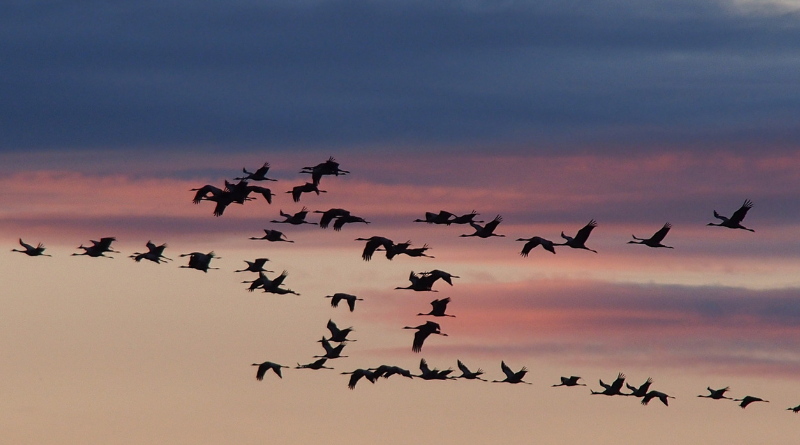
Observed twice a year in May and October, World Migratory Bird Day coincides with peak migration periods across hemispheres. The event encourages communities worldwide to recognize and protect one of nature’s most remarkable shared phenomena: the seasonal movement of birds across continents and oceans.
According to Martin Harper, migratory birds play a critical role in maintaining healthy ecosystems and human well-being. He notes that these species help transport nutrients across vast distances, support agricultural productivity, and contribute to disease control.
“Migratory birds connect us across countries, continents and ocean currents,” Harper said. “Protecting the major migratory highways of the world is how we reverse those declines. And when we do, people gain too: cleaner water, food security, flood protection, and more resilience to a changing climate.”
Conservationists say the decline of migratory birds reflects broader environmental pressures, including habitat loss, climate change, and pollution along key migratory routes known as flyways. These routes span multiple countries, making international cooperation essential for effective conservation.
The Global Flyways Summit in Nairobi is expected to bring together policymakers, scientists, and conservation groups to strengthen commitments to protecting these vital ecological corridors.
As awareness builds ahead of World Migratory Bird Day, environmental groups are urging governments and communities to take action—warning that the fate of migratory birds is closely tied to the health of the planet and, ultimately, human survival.