
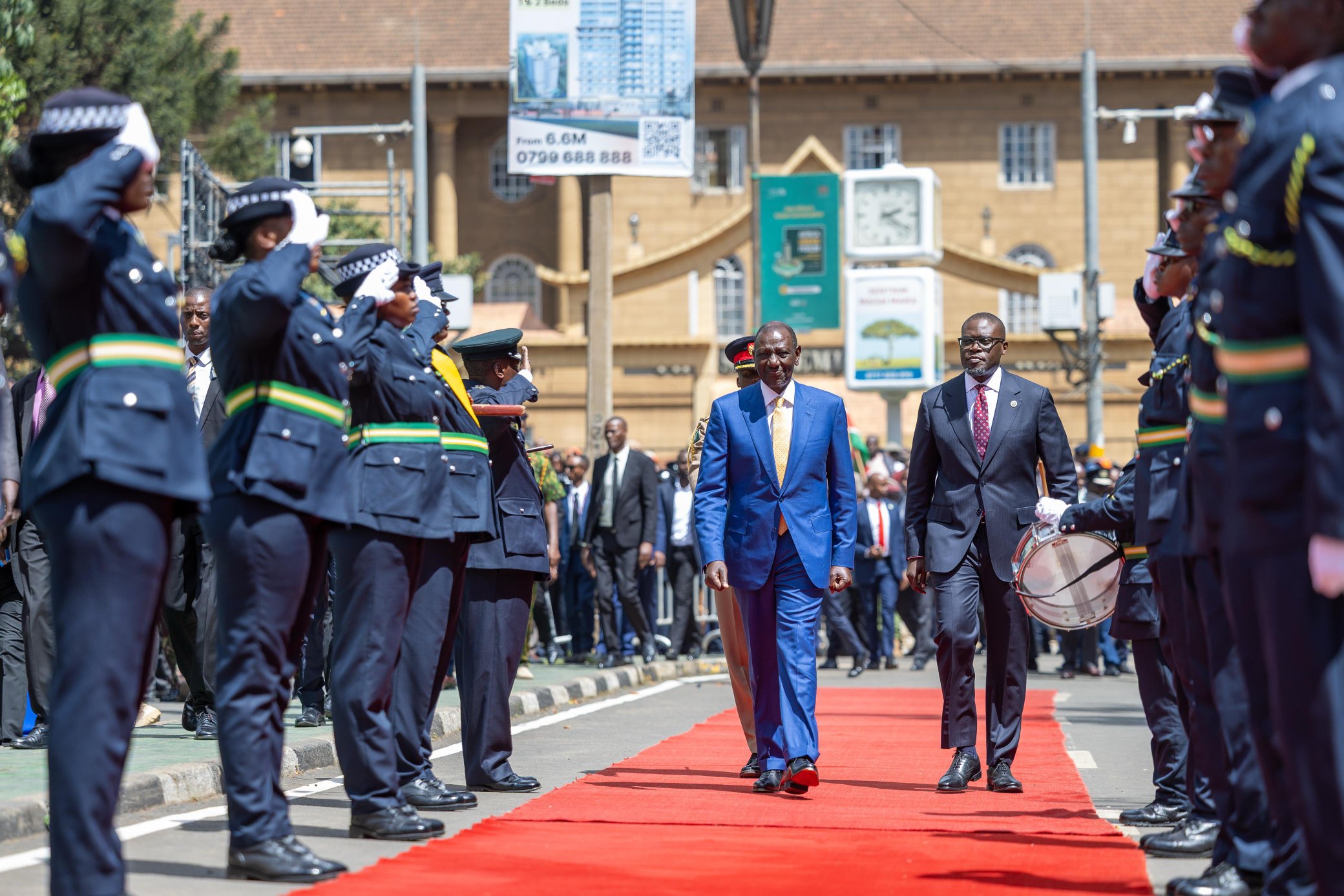
Ruto orders State House wall moved, signals crackdown on illegal developments
Move follows riparian breach finding as government rolls out KSh80 billion plan targeting flooding, housing and urban infrastructure
By Chemtai Kirui | Nairobi
President William Ruto on Thursday said part of the State House perimeter wall would be demolished after it was found to sit on riparian land, using the decision to signal a tougher stance on illegal developments as his administration rolls out an KSh80 billion plan to overhaul the capital.
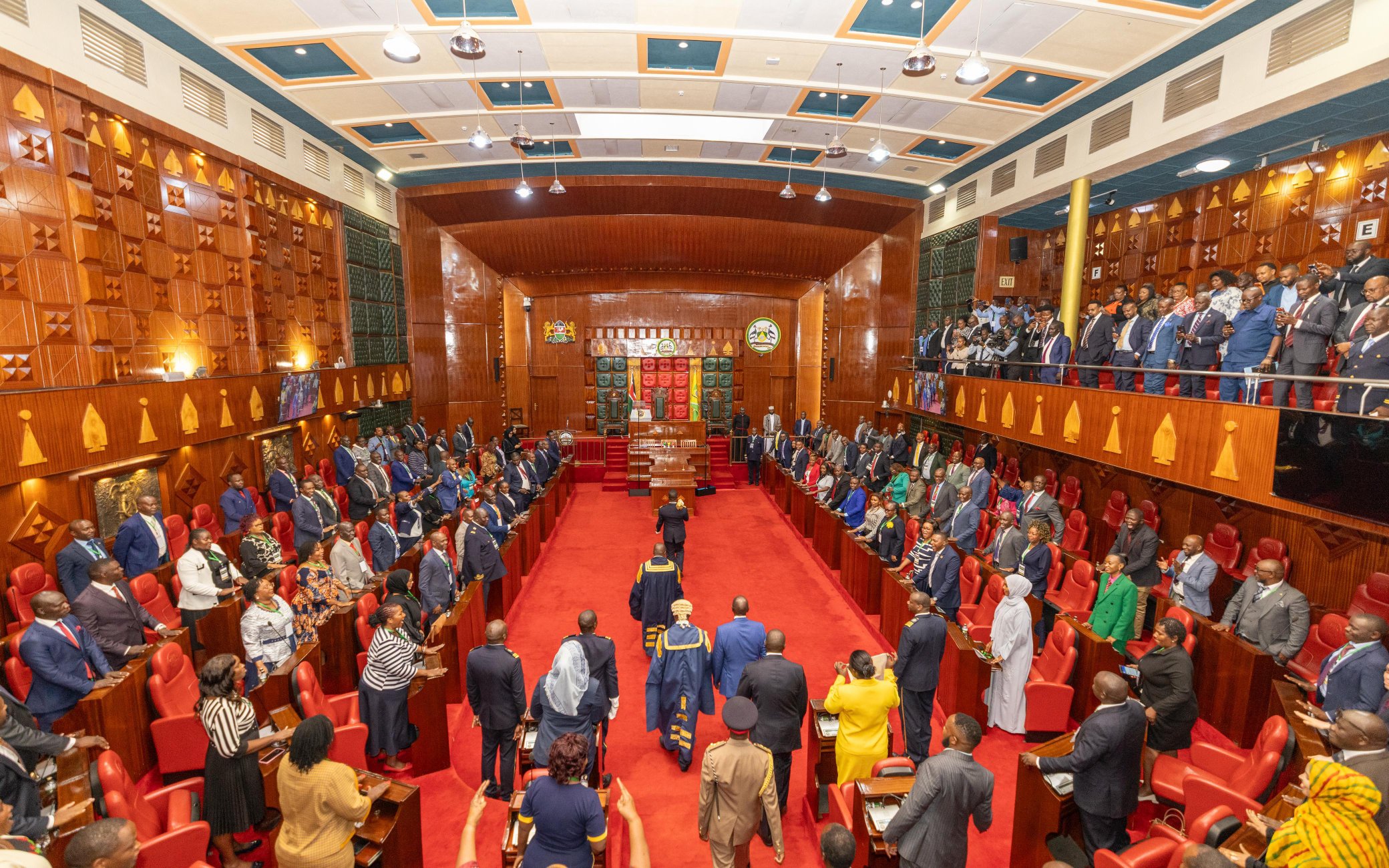
Addressing a special sitting of the Nairobi County Assembly, Ruto said a multi-agency assessment had determined that a section of the wall along the Kirichwa Kubwa River fell within a protected buffer zone and would have to be moved back by at least 15 metres, the minimum threshold cited in the notice, though Water Resources Authority guidelines recommend wider buffers for major rivers.
“Change has a cost, and we are ready to pay it. Even State House must apply the same standards we expect from every citizen,” he said.
The move comes as the government pushes what Ruto described as a “national correction” for Nairobi, anchored on a cooperation agreement with Governor Johnson Sakaja, to be overseen by a joint implementation committee of national and county officials, aimed at addressing flooding, waste management, housing and urban infrastructure.
Sakaja, who chairs the agreement’s implementation committee, said the partnership would allow the city to address long-standing infrastructure challenges, dismissing criticism that it cedes county authority.
Ruto linked the enforcement of riparian rules directly to recent floods that have repeatedly paralysed parts of the city, blaming illegal construction and encroachment on drainage corridors.
He told the 124-member assembly that the government would be “decisive” in reclaiming waterways and public land, warning that political considerations would not stand in the way.
“I know there are people who have built on these corridors who are ‘untouchable’. I want to tell them today that the only thing untouchable in Kenya is the law,” Ruto said.
The remarks place land use enforcement at the centre of a broader spending plan that includes installing 100,000 street lights within six months, building or rehabilitating 247 kilometres of roads and setting up a waste-to-energy system backed by KSh2 billion in annual funding.
Ruto said Nairobi contributes about 27.5% of Kenya’s gross domestic product, arguing that its infrastructure challenges had outgrown the capacity of the county government alone.
“Nairobi is not merely another devolved unit; it is the face of our nation,” he said.
He also promised a facelift for Gikomba market within six months, citing poor drainage that forces traders to work in flooded conditions, and outlined plans to expand sewerage systems and extend electricity connections to informal settlements.
The address — the first by a sitting president to the county assembly since devolution in 2010 — came as Nairobi hosts the second Africa Urban Forum, where African leaders adopted a common framework on housing, climate resilience and urban planning.
It was held under tight security that merged City Hall and the Kenyatta International Convention Centre into a single controlled zone, disrupting traffic across central Nairobi.
Ruto positioned Nairobi as a test case for implementing those commitments, including stricter enforcement of riparian buffer zones and investment in basic services rather than large-scale evictions.
He urged lawmakers to pass legislation needed to support the plan, framing the programme as essential to restoring order in a city struggling with rapid urbanisation and mounting infrastructure pressure.
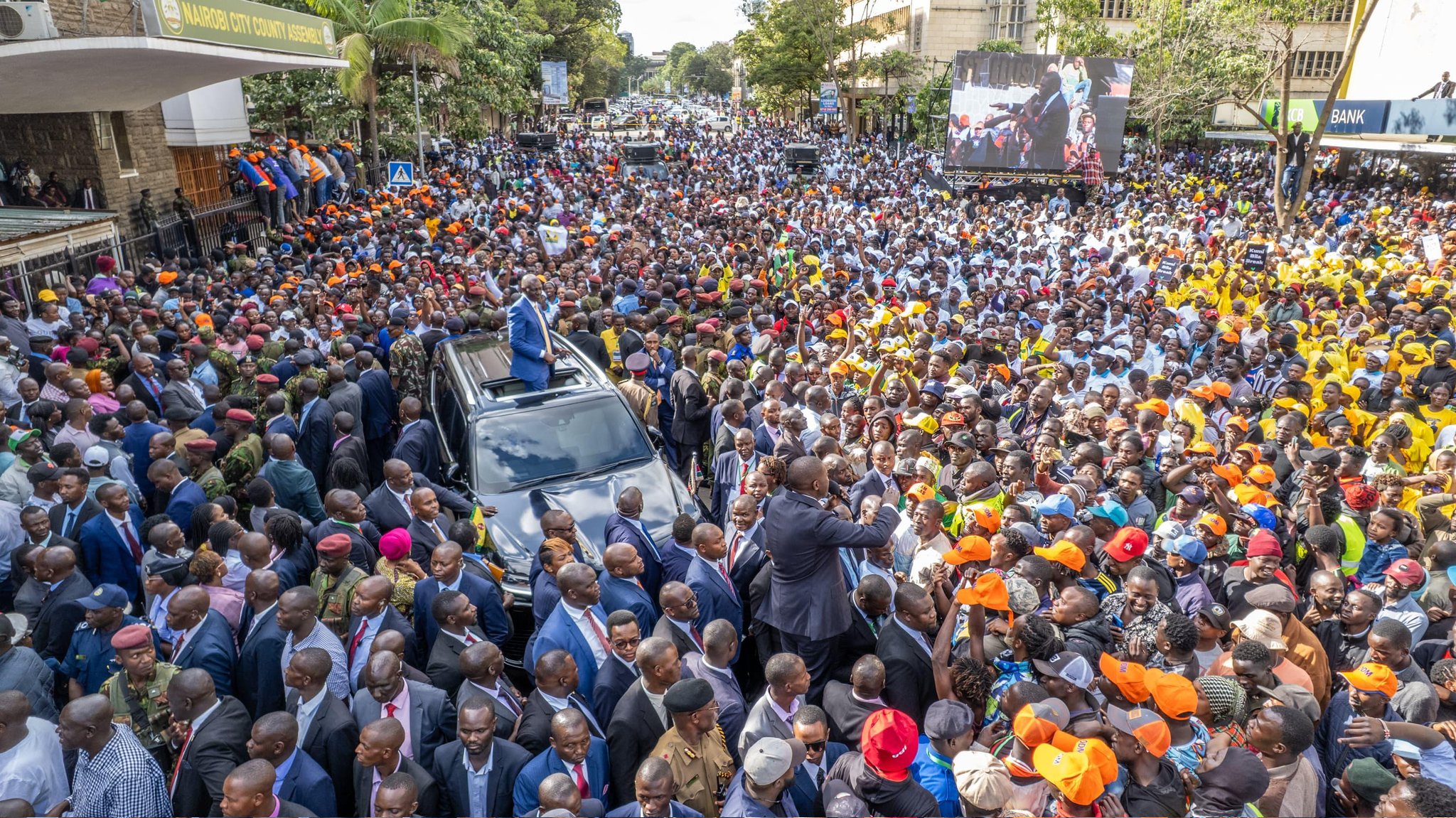
Outside City Hall, he later reiterated the measures to a crowd of residents, casting the changes as necessary to “restore dignity” to the capital.
Ruto said enforcement of riparian rules and planning laws would proceed alongside the investment, signalling a more decisive approach to managing the city.