Nature-Based Carbon Projects Gain Momentum in Africa as Investors Eye Climate and Biodiversity Returns
By Carolyne Tomno
Experts say carbon markets ,particularly those linked to nature-based projects ,could unlock billions of dollars for conservation, climate mitigation and rural development across Africa. However, several challenges still stand in the way of attracting large-scale investment.
Speaking at a climate finance forum, Edith Kiss, co-founder of the investment firm Capital Continuum, said carbon finance could play a critical role in closing Africa’s growing climate funding gap.
“Our objective is to mobilise and accelerate private investment into carbon projects,” Kiss said. “We help build relationships between investors, funders and project developers so that climate solutions can move from concept to reality.”
A widening climate finance gap
The need for climate investment in Africa is immense. Experts estimate that African countries require around $277 billion annually by 2030 to meet their climate targets under the Paris Agreement.
However, current funding levels fall far short. Only about $45 billion has been mobilised so far, leaving an estimated annual financing gap of more than $220 billion.
Private sector participation remains limited. According to Kiss, private investors contribute just 15 percent of climate finance flowing into Africa.
“This gap represents both a challenge and an opportunity,” she said. “Carbon markets can help unlock new sources of financing for climate and biodiversity.”
Nature-based solutions gaining ground
Nature-based climate projects are emerging as a key part of the solution. Scientists estimate that protecting and restoring ecosystems could deliver up to one-third of the emissions reductions needed globally to limit climate change.
According to Damien Ricordeau, director of Hummingbirds, such projects are attracting increasing interest from investors and companies seeking to offset their emissions.
“Our goal is to develop projects close to the communities and ecosystems where they are implemented,” Ricordeau said. “We carry out technical feasibility studies and structure projects that generate carbon credits while protecting nature.”
Mangrove ecosystems are particularly valuable due to their capacity to store large amounts of carbon.“One hectare of mangrove forest can absorb several times more carbon than a typical tropical forest,” Ricordeau said.
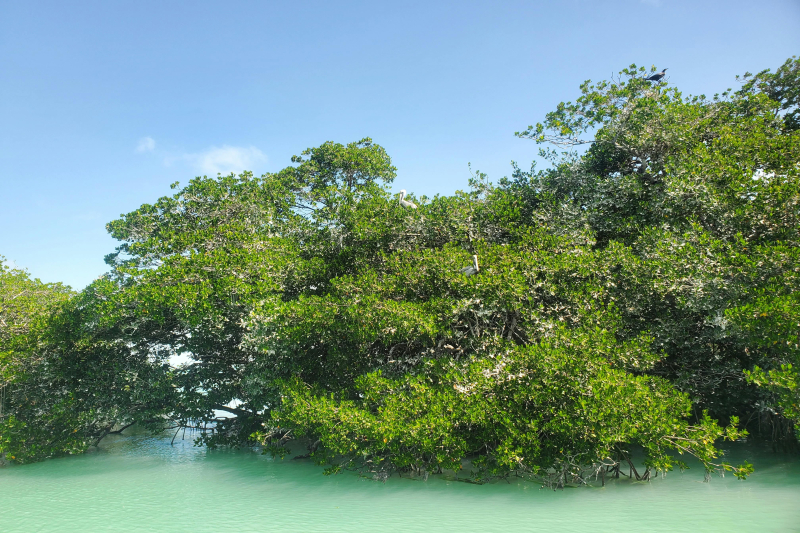
Expanding carbon projects across Africa
In Kenya, the organization has worked with coastal communities and fishermen to restore about 300 hectares of mangrove forests, helping protect fisheries while storing carbon.
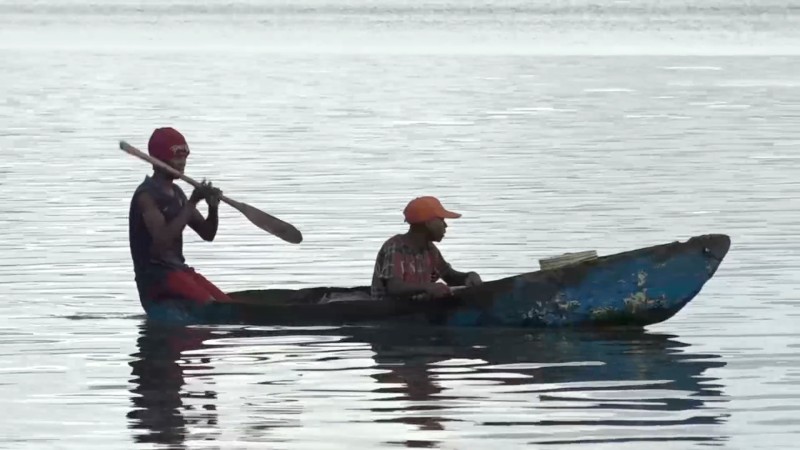
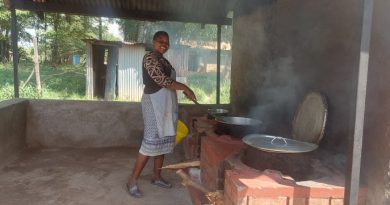
Another initiative in Benin aims to distribute 150,000 improved cook stoves to rural households, reducing dependence on firewood and slowing deforestation.
How carbon markets work
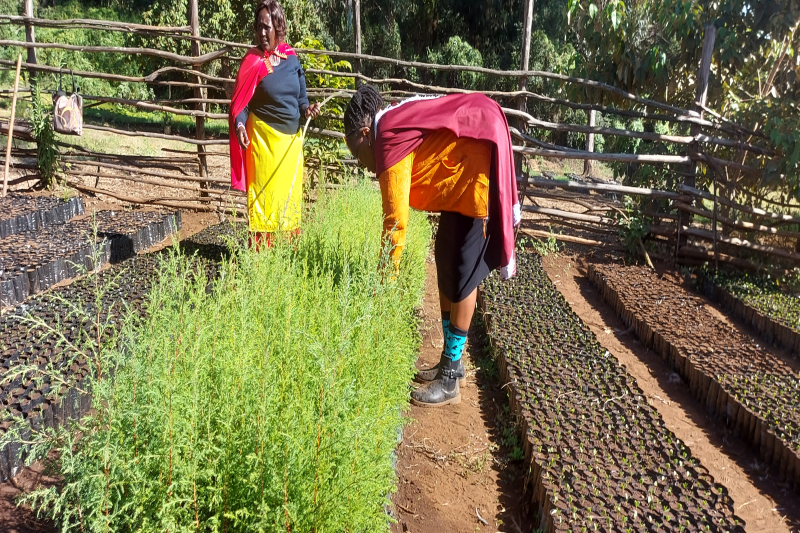
Nature-based carbon projects generate credits by removing carbon dioxide from the atmosphere through activities such as reforestation, and avoiding emissions by protecting forests that might otherwise be destroyed.
Developers analyse historical deforestation rates and estimate how much carbon pollution is prevented when forests are preserved.
“These two approaches , carbon removal and avoided emission form the foundation of nature-based carbon markets,” Ricordeau explained.Companies purchase these credits to compensate for emissions they cannot yet eliminate.
Carbon markets operate in regulated markets, where companies must buy credits under emissions trading systems, and voluntary markets, where firms buy credits as part of corporate climate commitments.
Turning nature into an investment asset
For investors, ecosystems are increasingly seen as an emerging asset class. Nature-based carbon projects typically last 30 to 100 years and generate revenue through the sale of carbon credits.
Prices vary, but nature-based credits often sell for between $10 and $20 per tonne.
Ricordeau said projects in emerging markets can generate annual returns of 12 to 15 percent, compared with 8 to 10 percent in Europe.
Communities at the centre
Local communities play a crucial role in carbon projects. A portion of revenue from carbon credits is often reinvested in community initiatives such as schools, water infrastructure and local development programs
In mangrove restoration projects, for example, fishermen’s associations help plant and manage mangroves while receiving a share of the financial benefits.
Despite growing interest, developing a carbon project can take two to three years, requiring feasibility studies, legal approvals and independent verification.
Unclear regulations also discourage investment. Experts say governments must establish transparent policies on carbon ownership and revenue sharing aligned with frameworks such as Article 6 of the Paris Agreement.