
Women at the Frontline of the Fight Against Plastic Pollution
By Carolyne Tomno
Plastic pollution is increasingly recognized not only as an environmental problem but also as a major public health threat.
Plastics are fundamentally chemical-based materials that often contain complex mixtures of hazardous substances. Scientists estimate that plastics may contain more than 16,000 different chemicals, with at least 4,200 classified as highly hazardous.
This was revealed during a webinar held by The Global Alliance for Incinerator Alternatives and the Break Free from Plastic Africa network, and brought together activists, researchers, and grassroots leaders to examine the intersection of gender justice, environmental health, and the global plastic crisis.
At the same time, new research is revealing the alarming extent of plastic contamination in the human body. Microplastics have now been detected in human lungs, placental tissue, breast milk, blood, and even blood clots in the heart, brain and legs, raising serious concerns about long-term health impacts.
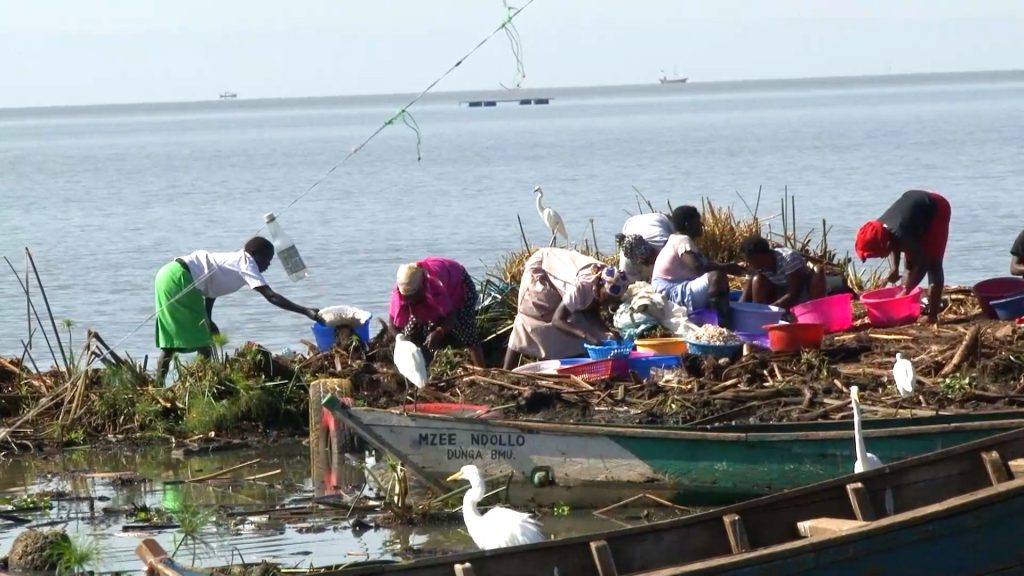
Yet while plastic pollution affects everyone, women and girls frequently bear the heaviest burden. The impacts range from health risks linked to toxic chemicals to the care responsibilities and labor conditions associated with waste management and recycling systems. At the same time, women are also leading many of the community-driven solutions aimed at tackling the plastic crisis.
Women Led Initiatives
Across Africa and beyond, women are driving grassroots initiatives that promote zero-waste practices, including community waste collection and sorting systems, reuse models, and sustainable resource management strategies.
The International Women’s Day discussion brought together leading voices within the GAIA/BFFP Africa network to reflect on both the challenges women face and the leadership they continue to demonstrate in advancing environmental solutions.
Azeeza Rangunwala, Africa Coordinator of the Global Green and Healthy Hospitals programme at groundWork South Africa, described the health consequences of plastic exposure as a form of “slow violence.”
“The health impacts of plastics on women’s bodies are a form of slow violence,” she said. “It is seen in the development of cancer and in women not being believed about their symptoms, especially when it comes to sexual and reproductive health.”
Risk in Products
The conversation also highlighted the risks hidden in everyday consumer products. Semia Gharbi, founder and chair of the Association of Environmental Education for Future Generations and a winner of the Goldman Environmental Prize, warned that the average woman uses nine personal care products daily, containing over 100 unique ingredients, some of which are linked to cancer and reproductive harm.
“If you don’t know the ingredients, don’t buy the products,” she advised.
Participants also stressed that women must play a central role in shaping global solutions to plastic pollution. Dalia Márquez, Co-Coordinator of the Women’s Major Group at the United Nations Environment Programme and CEO of Juventud Unida en Acción, emphasised the importance of gender-responsive policymaking.
Health Challenges
“A Global Plastics Treaty that is not gender-responsive will not be effective, and a treaty that is not rights-based will not be just,” she said. “Our task is not only to negotiate text, but to protect health, dignity, and the future of our communities.”
The discussion also highlighted the experiences of women working in the informal waste sector. Boniswa Phelani of the South African Waste Pickers Association noted that many women waste pickers balance demanding work with family responsibilities while remaining among the most marginalised workers.
Meanwhile, Tening Cissé of Adansonia Green highlighted the environmental impact of menstrual products. She noted that a person who menstruates may use between 8,000 and 15,000 products in their lifetime, generating roughly 180 kilograms of waste.
According to Cissé, multinational companies dominate the market for disposable menstrual products, creating systems that often fail to reflect African realities. She stressed that women must be central to the transition toward more sustainable reuse systems.
As negotiations for a global agreement to end plastic pollution continue, GAIA/BFFP Africa says the path forward must place gender justice, community leadership, and environmental protection at its core.