
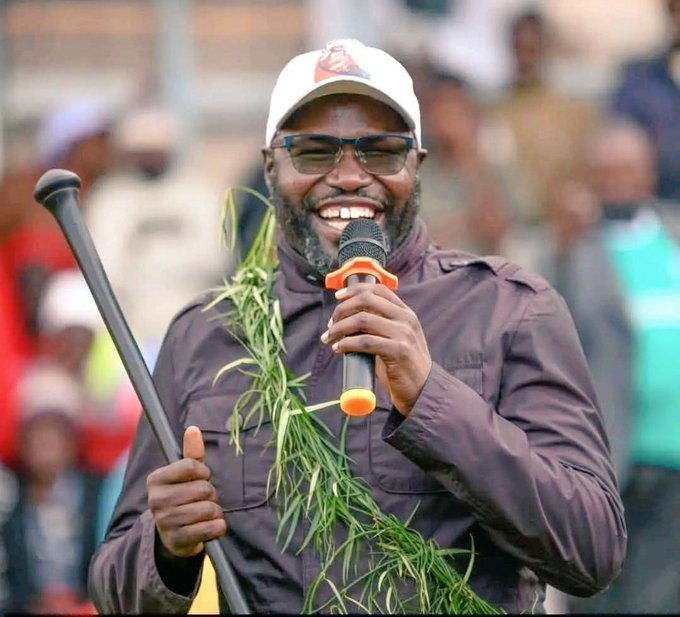
The Last Ride of the Modern Warrior Johana Ng’eno.
By Chemtai Kirui | Emurua Dikirr | March 6, 2026
Under a low, rain-heavy sky, Johana Ng’eno was laid to rest Friday in Mogondo, the South Rift village that shaped both his politics and his imagination.
Thousands of mourners moved across the flood-slicked roads of Narok County, arriving for a funeral that carried the weight of both personal grief and a broader national reckoning. Mr. Ng’eno, 53, died Feb. 28 in a helicopter crash that killed five others in the Mosop forests of Nandi County.
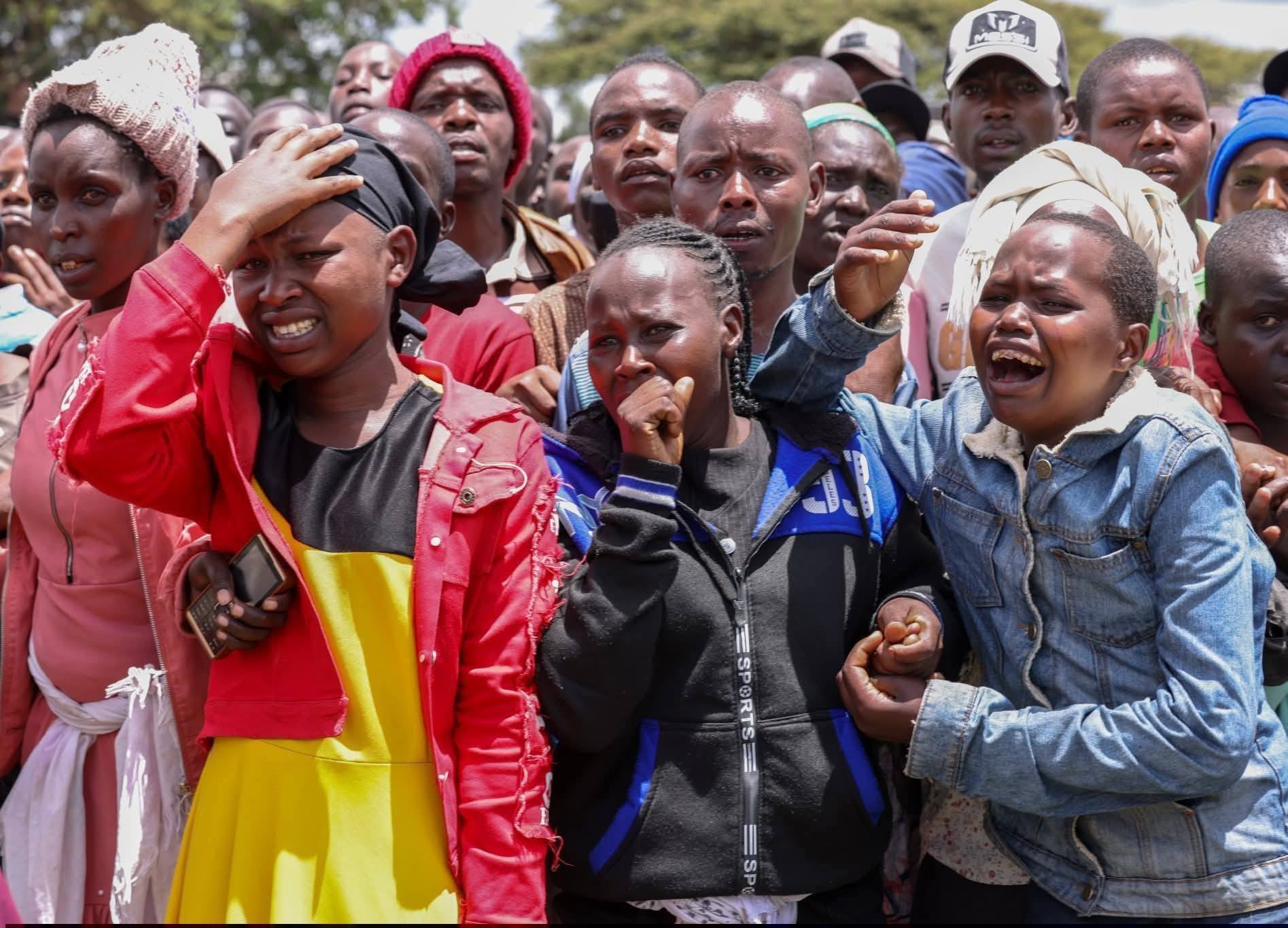
The burial closed a week of mourning that stretched from the manicured suburbs of Nairobi to the ancestral soil of Emurua Dikirr. It traced the arc of a politician who occupied a rare, friction-filled space in Kenyan public life: fiercely local, deeply cultural, and unmistakably national.
For more than a decade, Mr. Ng’eno served as the unapologetic voice of the South Rift. To his supporters, he was a leader shaped as much by ancestral memory as by constitutional law. To friends, he was simply “Ngong,” a name that carried the echo of mountain winds and a reputation for political defiance.
His admirers saw him as a translator of sorts—someone who treated the law not merely as regulation, but as a secondary language through which the historical claims of his people could be negotiated.
Ng’eno’s rise carried the contours of improbable biography.
Born in rural Narok in the 1970s, he began his life as a shepherd before pursuing an education that took him far from the Rift Valley. He eventually earned a degree in international law in Kyiv, returning to Kenya to enter the turbulent terrain of local politics.
His career was defined by contradictions that his constituents celebrated rather than reconciled. As chairman of Parliament’s Housing Committee, he navigated the halls of state power; yet he remained best known for defending forest settlers, a role that frequently placed him in direct, sometimes physical, confrontation with security forces during land disputes.
While he maintained a pragmatic loyalty to the ruling administration, allies said he possessed a form of guarded independence that often frustrated the very establishment he served.
President William Samoei Ruto, speaking at the burial, described Ng’eno as a man who could fight during the day and negotiate at night.
“The history of Emurua Dikirr cannot be fully told without Ng’eno,” the President said. “Every road, every technical school, and the KMTC campus here has his signature.”
He added that Ng’eno frequently pressed him on local development funding.
“He called me six times in a single day just to secure funding for local artists,” the President said. “He was abrasive at times, yes, but he was a man who would fight you during the day and negotiate for his people at night.”
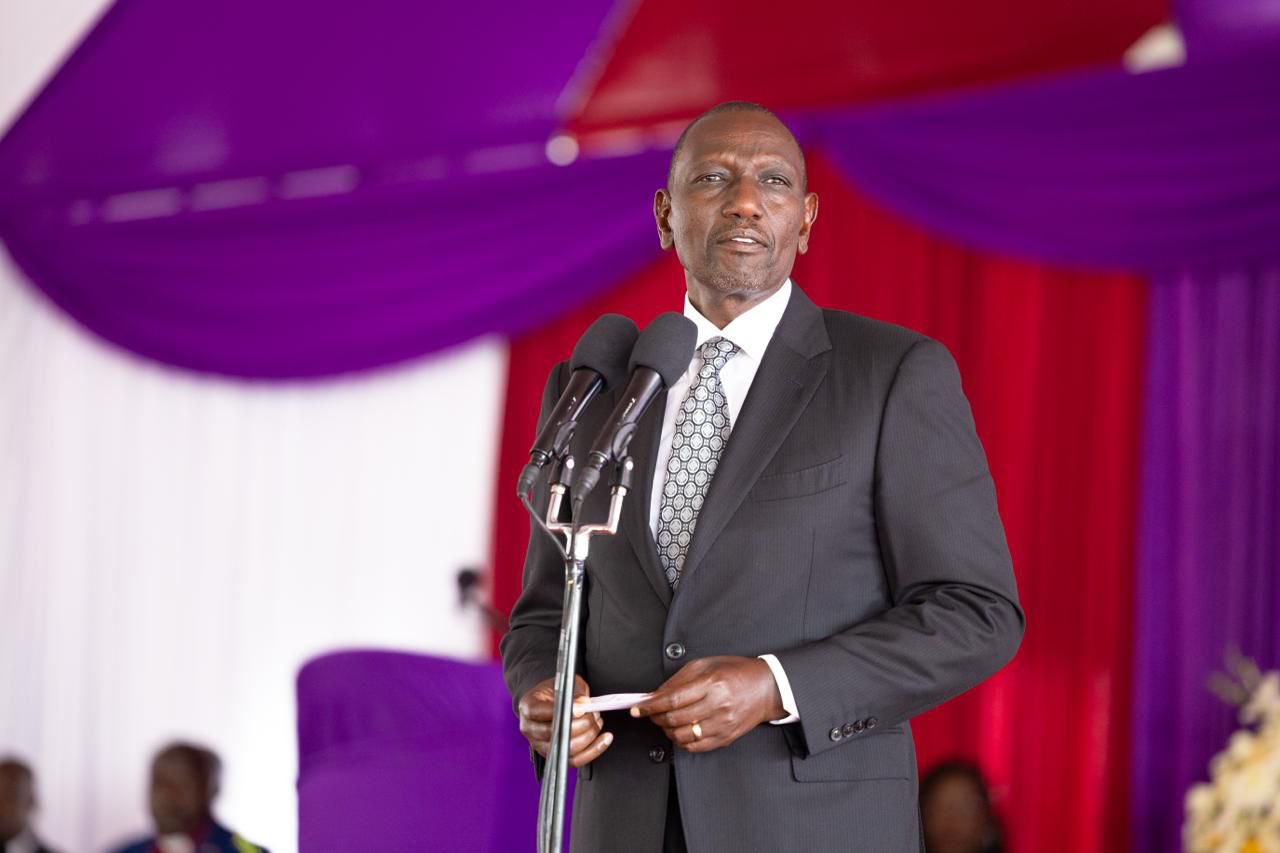
In a final nod to Mr. Ng’eno’s legislative legacy, the president announced that the Shauri Moyo Affordable Housing Project in Nairobi would be renamed the Johana Ng’eno Boma Yangu Estate.
Ruto also authorized the release of 30 million shillings for an artists’ festival—funding he said the lawmaker had requested only days before the crash—and committed 750 million shillings toward a new university and student housing in Emurua Dikirr. It was a project for which Mr. Ng’eno had helped draft legislation shortly before his death.
Ng’eno’s political identity was often framed in the language of cultural symbolism.
To his constituents, he was a “modern warrior,” a man who stood between the state and the ancestral lands of the South Rift. This reputation was forged in moments of physical defiance; witnesses often recalled him at the front lines of land disputes in Angata Barikoi, wielding a traditional rungu as he faced off against security forces.
Whether mediating tensions between Maasai and Kipsigis communities or advancing development legislation, colleagues said Ng’eno moved between traditional authority and modern statecraft with unusual ease.
His marriage to Nayianoi Ntutu was widely viewed by supporters as a personal bridge between communities.
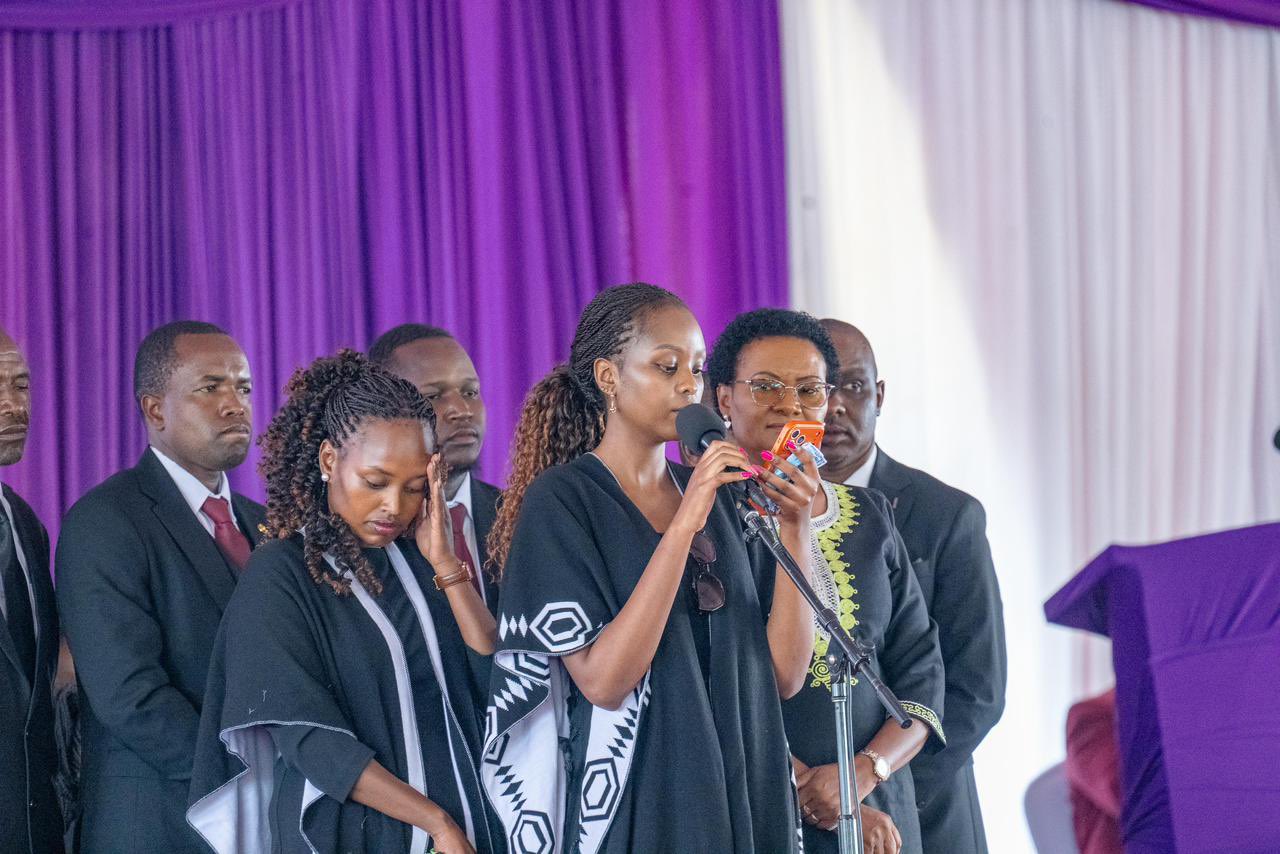
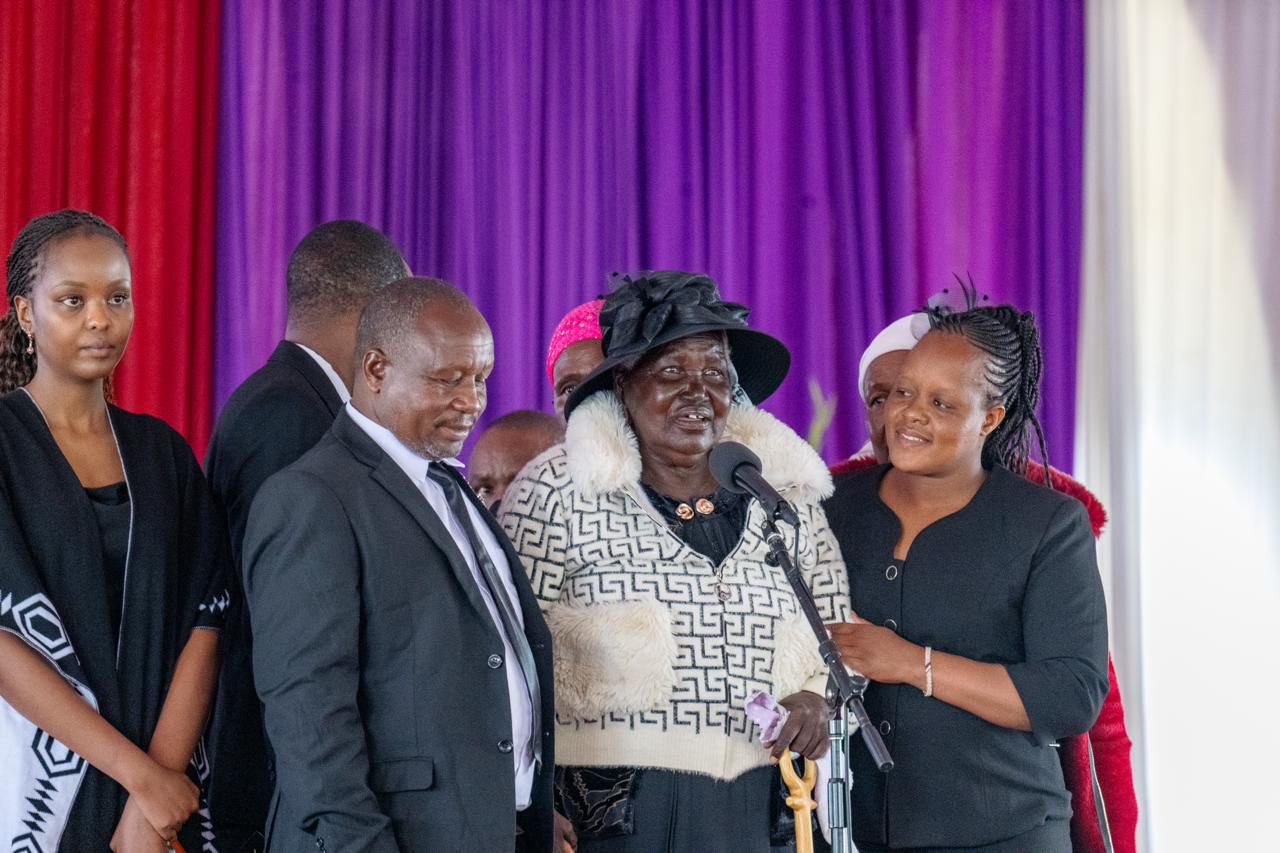
Speaking to the thousands gathered in Narok, Ng’eno’s wife, Nayianoi, addressed the people of Dikirr directly in Swahili, signifying her transition from a private mourner to a public figure of support:
“To my people of Dikirr, thank you for your love; I will continue to be close to you, and I will continue to help you to the best of my ability. Johanna, you were loved and you will continue to be loved.”
Nayianoi, had earlier offered one of the day’s most intimate tributes to her husband, saying: “To my beloved Joha — losing you is like losing the music of my youth. You were the love of my early days, when everything was still soft and full of possibility,” she said.
She described him as a father devoted to their children.
The burial also carried political undercurrents.
Ng’eno’s mother, Mama Mary Ng’eno, spoke directly to President William Ruto, urging continuity of political leadership within the family. She said she had other children who could continue her son’s work.
The request reflected a common feature of Kenyan political mourning, where family members sometimes appeal for continuity in public leadership.
During the night vigil that preceded the burial, cultural leaders from the Myoot Council of Elders performed traditional Kipsigis rites.
A lantern burned throughout the night, a symbol of generational continuity.
“The burning lantern is not just light,” said council chairman Richard Ng’eno. “It is the continuity of the family tree. We keep it lit so that even though the giant has fallen, his lineage does not go dark.”
The council also urged political leaders not to transform the funeral into a battleground for future elections.
“Let the investigators do their work,” the elders warned. “Respect the warrior who has gone to rest.”
The tragedy that killed Ng’eno also claimed his aide Wycliffe Rono, pilot George Were, and three other occupants of the helicopter that went down in the Nandi forest region.
The accident has reignited public discussion about the safety of Kenya’s VIP aviation routes, though the technical details of the crash were largely absent from the emotional atmosphere of the funeral.
As the casket was lowered into the red soil of Mogondo, the political fervor that had defined Mr. Ng’eno’s public life finally gave way to silence.
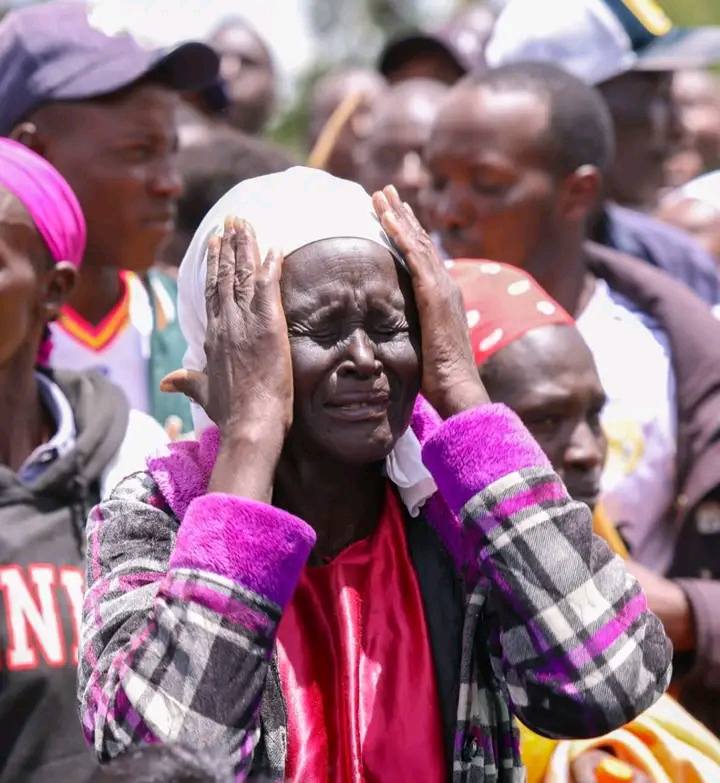
In the South Rift, where politics is often spoken in the language of land and lineage, the story of Johana Ng’eno will likely continue long after parliamentary debates fade.
He will be remembered by some as the shepherd who carried the ambitions of a village into the chambers of national power, and by others as a man who navigated the friction between ancestral loyalty and the modern state.
As the mourners dispersed along the rain-softened roads of the Mau highlands, the sharp edges of his political battles receded into history, leaving behind a man his supporters believed had fought the good fight.
The era of “Ng’ong,” as his supporters called him, came quietly to an end.
The red earth closed over him.