
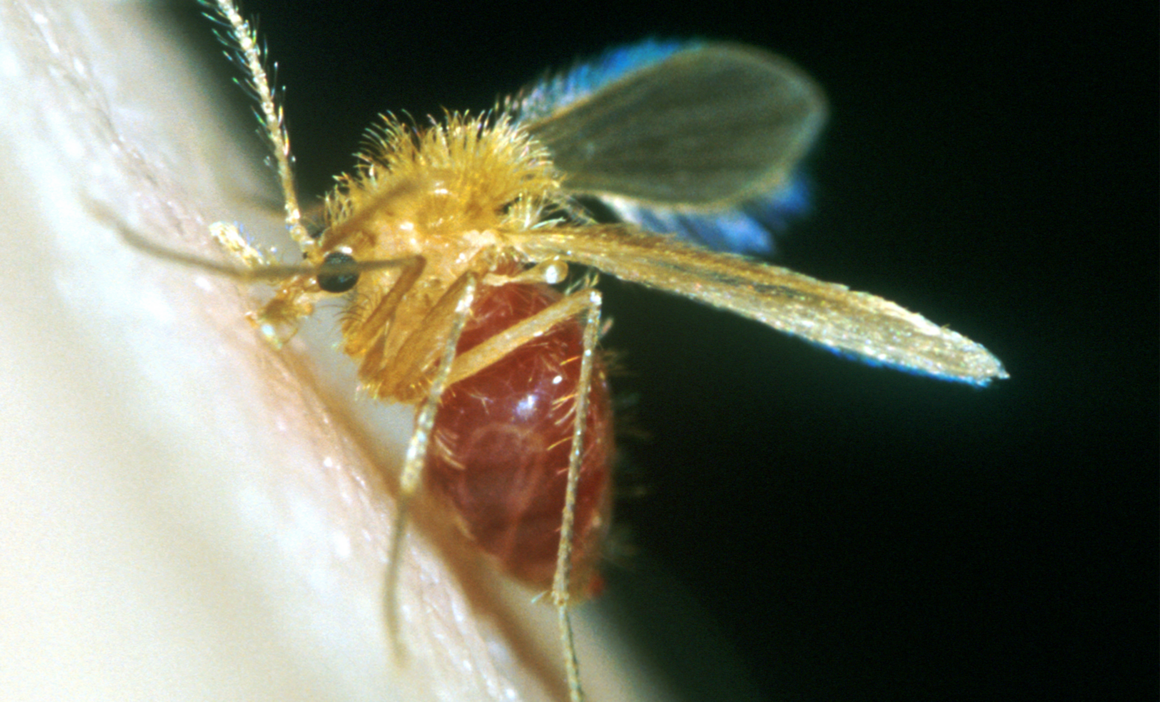
Kala-azar Cases Climb in Mandera as Disease Spreads to Neighboring Areas
By Chemtai Kirui
Nairobi, Feb 9 — Health officials are sounding the alarm over a sharp rise in cases of kala-azar, a deadly parasitic disease transmitted by sandflies, with the northern region reporting record-high numbers and treatment facilities strained by growing demand.
The number of diagnosed cases nearly doubled, rising from about 1,575 in 2024 to 3,577 in 2025, according to figures from the Ministry of Health.
Kala-azar, also known as visceral leishmaniasis, is transmitted by sandflies and can be fatal in up to 95 per cent of untreated cases, causing prolonged fever, severe weight loss and enlargement of the liver and spleen.
Mandera and Wajir have reported some of the highest infection rates, according to health officials, with clinicians describing Mandera as a long-standing hotspot.
Cases have also emerged in previously less-affected areas, prompting concerns that environmental and social factors may be expanding the disease’s geographic reach.
Health workers say misdiagnosis remains a major challenge, particularly at frontline facilities where kala-azar symptoms often resemble malaria or dengue fever.
In one documented case in Mandera, a 60-year-old woman received repeated treatment for other illnesses before the correct diagnosis was made, delaying care and worsening her condition.
Disease experts point to changing climatic conditions and expanding settlement patterns as contributors to the spread, saying sandflies are appearing in new areas.
A researcher at a neglected tropical diseases initiative said climate shifts were increasing the risk of outbreaks beyond traditional endemic zones.
The disease places a heavy burden on patients and health systems. Treatment can last up to a month and may require daily injections and blood transfusions, with direct treatment costs running into tens of thousands of shillings, health advocates say.
Health authorities have described kala-azar as one of the country’s most dangerous neglected tropical diseases, and the World Health Organization estimates East Africa accounts for more than two-thirds of global cases.
Public health responses in affected counties have included community awareness campaigns and advice to limit outdoor movement at dawn and dusk, when sandflies are most active.
Officials say, however, that millions remain at risk, particularly in rural areas where diagnostic capacity and treatment services are limited.