COP31 week one brings US$26bn in investment partnerships as Government presses for climate grants
Turkish presidency announces energy deals and new climate initiatives as African countries call for more grants and affordable finance to adapt to rising temperatures
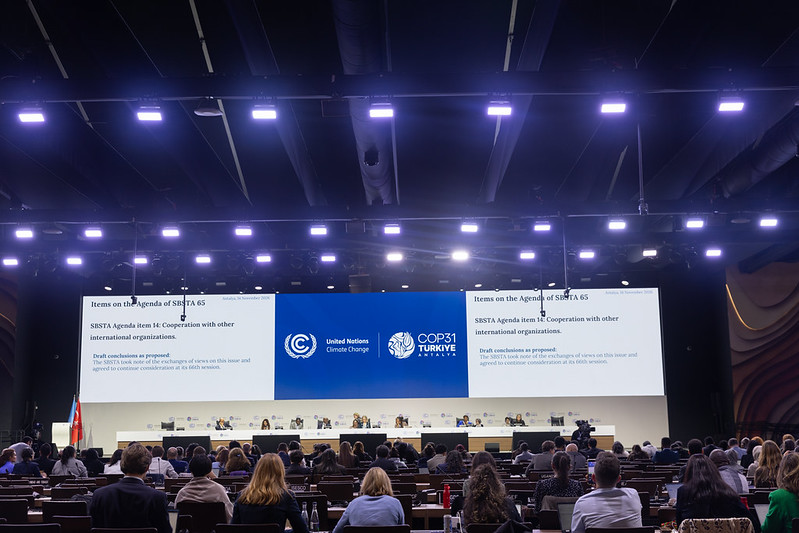
ANTALYA, 16 November – Türkiye has announced more than $26bn in green investment partnerships during the first week of the COP31 climate summit, including a $15bn renewable energy agreement with China, as Kenya called on wealthy countries to provide more grants to help African nations cope with climate change.
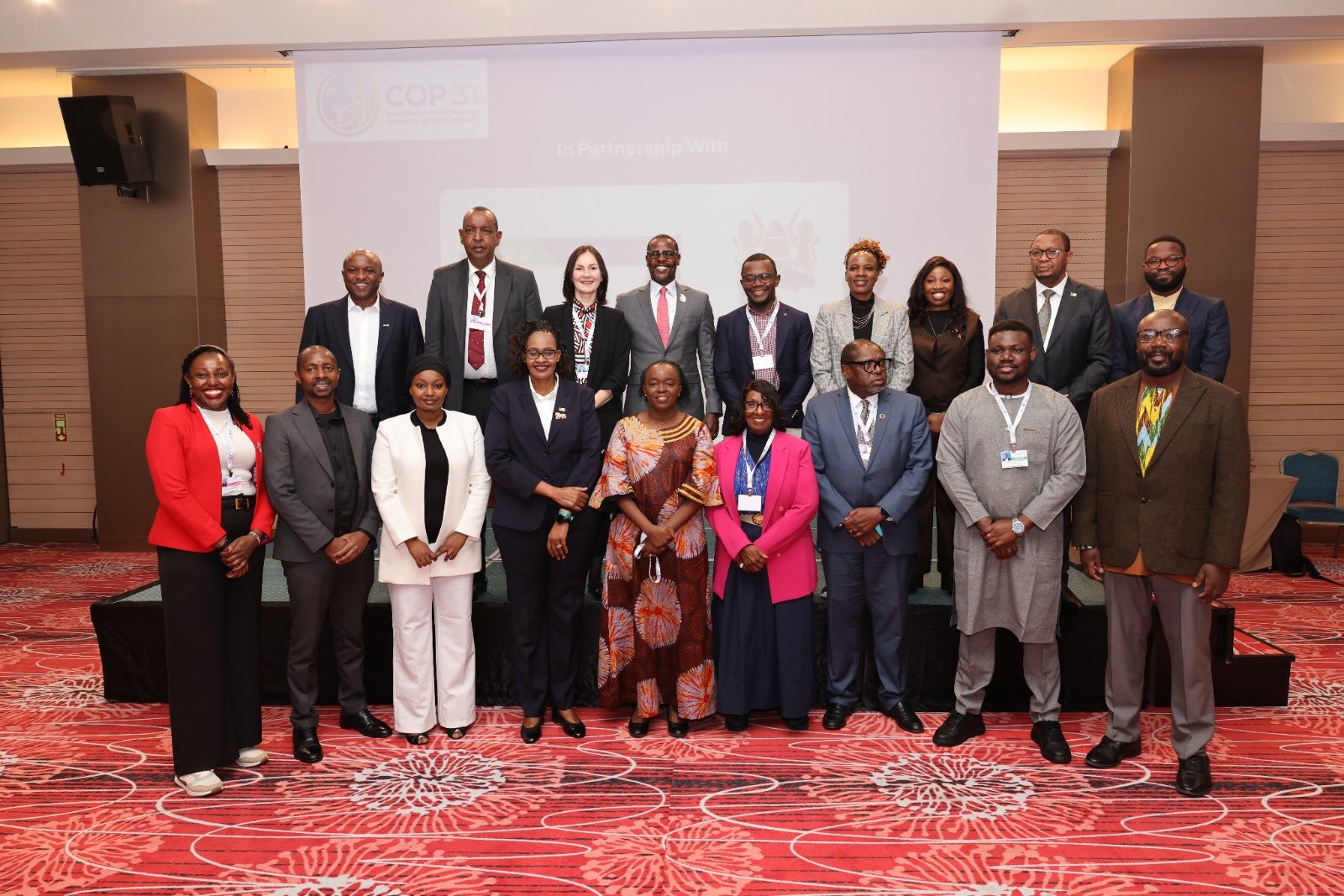
Cabinet secretary for environment, Deborah Barasa, said African countries needed more accessible finance to deal with climate impacts, warning that loans, often offered at near-commercial rates, were placing an additional burden on governments.
“Climate finance is not charity, it is a legal obligation and a matter of climate justice,” Barasa said during an African Ministerial Conference on the Environment consultation on 16 November.
She said more than half of climate funding reaching Africa came in the form of loans and called for grants, highly concessional finance and fulfilment of existing commitments, including the annual $300bn climate finance goal agreed at COP29.
The dispute over how climate action should be financed is among the issues facing ministers as the summit enters its second and final week. Negotiations are due to close on 20 November.
The Turkish presidency said the $26bn in partnerships included a preliminary $15bn agreement with China for renewable energy, planned investment of $6bn by the European Bank for Reconstruction and Development (EBRD) and $5.1bn in agreements with development banks.
The China memorandum of understanding covers plans for 7,000 megawatts of solar and wind power, energy storage systems and 4,000 megawatts of electricity transmission infrastructure.
The EBRD plans to invest $6bn in Türkiye over five years through its Renewable Energy Acceleration and Clean Transition platform, known as REACT.
The separate $5.1bn package comprises 10 agreements with the Asian Development Bank, the Asian Infrastructure Investment Bank, the World Bank and the Islamic Development Bank. They cover a range of financing, including climate reforms, resilient hospitals and support for small businesses.
The $26bn total combines proposed projects, planned investment and signed agreements. It does not represent money already spent.
Norway, Canada and the UK have also launched an initiative through their development finance institutions, Norfund, FinDev Canada and British International Investment, to support $10bn in climate and energy-transition investment in emerging markets by 2030.
The target includes private capital expected to be mobilised alongside the institutions’ own investments. The three institutions plan to share investment opportunities and coordinate project assessments and climate reporting.
In the Pacific, the Asian Development Bank, the Green Climate Fund and the governments of the Cook Islands and Palau have launched a programme to mobilise more than $1bn for 14 island economies.
The programme includes an initial $250m grant from the Green Climate Fund. Further funding will include Asian Development Bank grants and low-interest loans for roads, water supplies, electricity networks, coastal defences and urban infrastructure. It is expected to reach about 3.7 million people.
The International Fund for Agricultural Development announced a $70m climate adaptation bond, privately placed with Japan’s agricultural cooperative insurer Zenkyoren. The proceeds will support rural development projects, including measures to help small-scale farmers adapt to climate change.
Philanthropic organisations announced more than $480m for efforts to cut methane and other short-lived climate pollutants. A further $25m was announced for the Super Pollutant Country Action Accelerator, which is expanding to seven additional countries, including Ethiopia and Côte d’Ivoire, to help governments develop emissions-reduction projects.
Kenya is seeking $1bn (KSh130bn) from development partners for the second phase of its Financing Locally Led Climate Action (FLLoCA) programme.
The Council of Governors is seeking more than three times the KSh38bn raised for the first phase. The five-year programme, implemented by the National Treasury with all 47 county governments and supported by development partners, runs from 2022 to 2027.
FLLoCA funds county and community-led projects to address climate risks. The National Treasury lists water conservation, natural-resource management, land rehabilitation, livelihood diversification and community early-warning systems among its areas of support.
Barasa cited the programme as an example of locally led climate action, saying it placed resources directly in the hands of counties and communities.
Kenya has also called for greater attention to urban adaptation. The government says six in 10 urban residents live in informal settlements, while the urban population is projected to rise from 28% to 46% by 2050.
The funding sought by county governments points to a gap between investment in energy infrastructure and the public finance needed to protect communities from climate impacts. Water conservation, flood protection and other local adaptation projects may not generate the commercial returns sought by private investors.
The Turkish presidency’s climate agenda includes the Climate Implementation Bridge (BRIDGE), the Sustainable Urban Resilience Financing Facility (SURFF) and the Istanbul Zero Waste Action platform. The initiatives were developed or announced before the summit as part of preparations for COP31.
BRIDGE is intended to help countries turn climate commitments into projects that can attract financing, while SURFF focuses on funding urban resilience. The zero-waste platform brings together cities and other partners working on waste management. During COP31, the programme announced its first cohort of 20 districts in 11 countries.
The summit’s business programme brought 4,000 companies to the TOBB Business Forum, which the presidency described as the largest business forum held at a COP. Discussions covered electrification, cities, artificial intelligence and finance.
Electrification has been a central priority of the Turkish presidency. Its 35-by-35 Global Electrification Pledge aims to increase electricity’s share of final energy consumption to 35% by 2035, from about 23% currently.
The pledge has the backing of 180 companies with combined annual revenues of $1.69tn. The International Chamber of Commerce, which represents 45 million companies, has also backed the initiative.
The Utilities for Net Zero Alliance has raised its members’ annual investment plans to at least $156bn. The presidency says these plans could amount to more than $1tn by 2030.
A new Electrify Now Finance Coalition aims to mobilise funding for electricity generation, grids, storage and the electrification of transport and industry.
The Climate Investment Funds is deploying $94m in catalytic finance through the first five investments under its AMPLIFi programme, with the aim of mobilising more than $1.2bn in private investment for clean power, electricity networks, storage and electrification.
The presidency has not specified how much of the proposed investment will go to developing countries or how much will extend electricity access to households and businesses without reliable power.
More than 100 agenda items and around 60 significant mandates remain under discussion, according to Australia’s climate change and energy minister, Chris Bowen, who is leading the negotiations.
Türkiye holds the COP31 presidency, while Australia is responsible for steering the formal negotiations.
Bowen said discussions during the first week had been constructive and that the views put forward by countries would help shape a draft political decision in the second week.
The Turkish presidency has published a summary of those views, saying it is intended to guide further discussions and is not a negotiating text. An initial draft is expected early this week.
Adaptation, climate finance, a just transition, emissions reduction, science, transparency and implementation are among the issues before negotiators.
Turkish President Murat Kurum said ministerial consultations would intensify during the second week, with the two presidencies seeking an outcome before the summit closes on 20 November.
For Kenya and other African countries, the negotiations come as governments seek grants and affordable finance for adaptation, while many of the investment announcements at COP31 concern energy and infrastructure projects expected to attract private capital.