

North Rift Stakeholders Push For Clearer Veterinary And Livestock Policies
By Isaac Kogei | ELDORET,
Stakeholders from six North Rift counties have called for stronger disease surveillance, improved veterinary infrastructure, adequate funding and better feed management as the government reviews the Veterinary Policy 2026 and Livestock Policy 2026.
The public participation forum held in Eldoret brought together representatives from Uasin Gishu, Elgeyo Marakwet, Nandi, Turkana, Trans Nzoia and West Pokot.
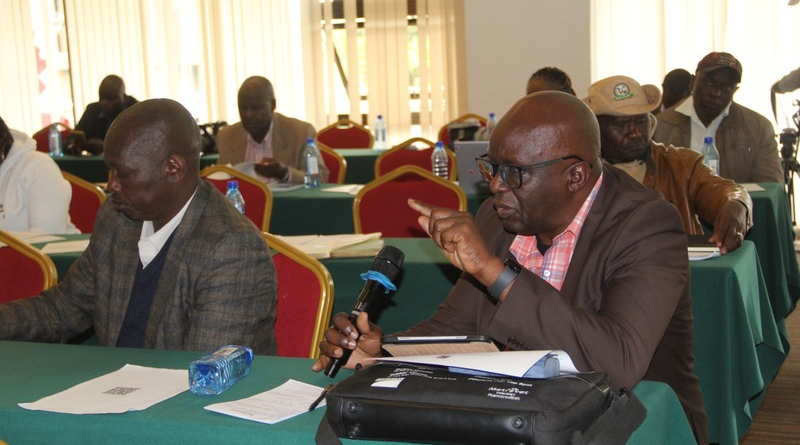
The exercise, organised by the State Department for Livestock Development, sought views to guide animal health and livestock production across the country.
Senior Deputy Director of Veterinary Services, Dr. Sabenzia Wekesa, said public participation is a constitutional requirement. She said stakeholders want clear direction on disease control, funding, veterinary infrastructure, and food safety.

She urged Kenyans to ensure meat for the festive season is inspected and certified by veterinary officers to guard against food poisoning.
State Department official, Paul Njagi, said the Livestock Policy proposes fodder banks, promotion of forage and silage production by counties, and strategic feed reserves by the national government to cushion farmers during shortages and boost milk production.
Elgeyo Marakwet County Director of Livestock Production, William Bore, called for coordinated funding for disease control, warning that outbreaks do not respect county boundaries. He proposed at least one veterinary laboratory in each of the 47 counties.
Uasin Gishu Chief Officer for Economic Planning, Nixon Cheplong, said the review was long overdue, noting improved animal health, breeding and marketing are critical to the county’s development.
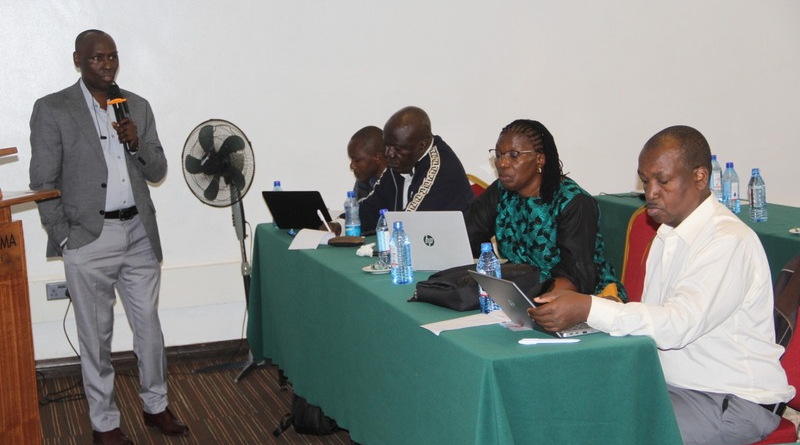
Uasin Gishu Director of Veterinary Services, Dr. Philip Biama, said the policy will strengthen coordinated vaccination, animal movement regulation, meat inspection, and address FMD, animal welfare, insurance and antimicrobial resistance.
Turkana Deputy Director of Veterinary Services, Dr. Erenius Nakadio, said the policy is crucial for pastoral counties facing cross-border movements and zoonotic diseases. He called for stronger emphasis on the One Health approach.
Stakeholders expressed optimism that their recommendations will strengthen veterinary services, improve productivity and protect livelihoods.