Africa’s Water Security Under Threat as Pollution, Deforestation and Data Gaps Deepen Crisis
By Kass Digital | NAIROBI,
Water experts warn that environmental degradation, human activities and inadequate hydrological data are undermining Africa’s water security, calling for stronger regional cooperation and protection of the continent’s natural water towers.
Africa’s water security is increasingly under threat as deforestation, mining and other human activities continue to degrade water sources, while gaps in scientific data make it difficult for countries to monitor and manage their shared water resources.
Water experts have warned that protecting the continent’s natural water towers and strengthening cross-border cooperation are critical to safeguarding water supplies for millions of people who depend on rivers, wetlands and groundwater systems.
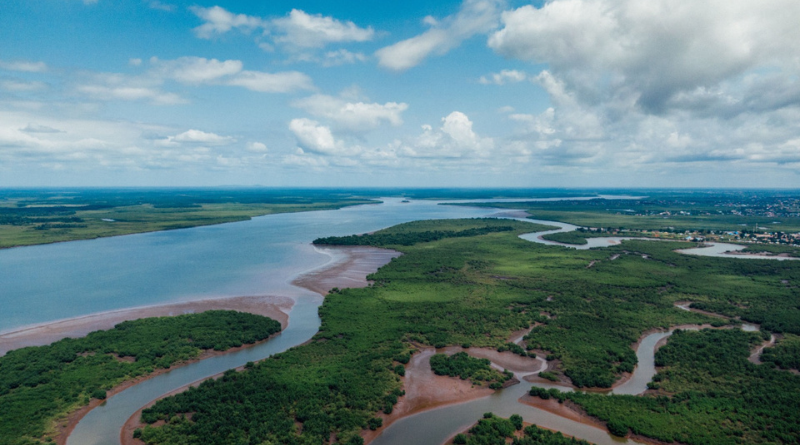
Speaking during discussions on Africa’s water resources, Professor Awa Niang Fall, Director of the Doctoral School of Water at Cheikh Anta Diop University of Dakar, identified deforestation as one of the major drivers of environmental degradation affecting the continent’s water towers and the quality of water.
She also highlighted inadequate data as a significant challenge, noting that reliable information is essential for building institutional capacity and improving water-resource management.
Dr. Madiodio Niasse, at water expert affiliated with the Dakar Water Hub, called on African countries to make the conservation of these natural water towers a priority.
He emphasised their importance in storing water, regulating river flows and supplying water resources to downstream communities and ecosystems.
The experts noted that the degradation of these ecosystems threatens not only water availability but also the quality and reliability of water supplies.
Shared rivers require stronger regional cooperation
Changes in rainfall patterns, prolonged droughts and environmental degradation have affected river flows in parts of West Africa, increasing pressure on communities and economic activities that depend on these water systems.
Experts stressed that countries sharing river basins need stronger cooperation in monitoring water flows, exchanging hydrological information and developing coordinated management strategies.
Such collaboration would help countries anticipate water shortages, manage competing demands and protect ecosystems that sustain transboundary rivers.
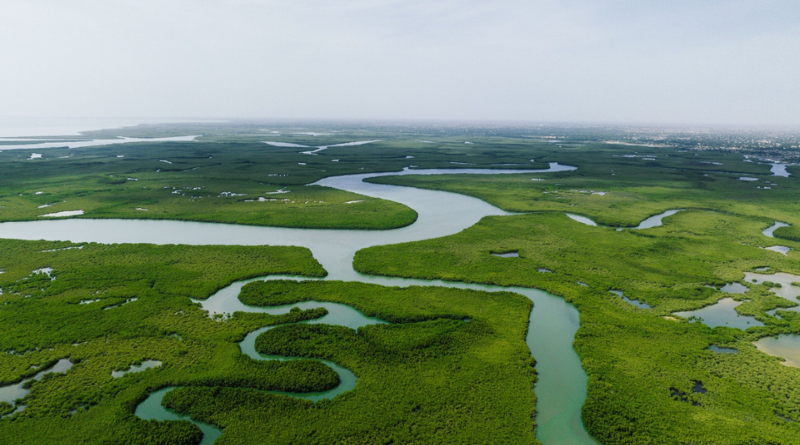
Data gaps undermine water monitoring
Dr. Dominique Berod, Head of the Earth System Monitoring Division at the World Meteorological Organization (WMO), stressed the need for more research and reliable data to establish the status of Africa’s river basins.
The lack of comprehensive hydrological information makes it difficult to understand changes in water availability, assess environmental pressures and develop effective forecasting systems.
Africa’s natural water towers, which include mountain ranges, high plateaus, wetlands, forest ecosystems and aquifer-bearing geological formations, play a crucial role in storing, regulating and supplying water.