
About 258,000 older adults in the country could have dementia, study estimates
Researchers point to stigma, limited diagnostic tools and shortages of specialist care as barriers to timely diagnosis
About 258,000 older adults could be living with dementia, according to an estimate based on screening carried out in rural communities, as researchers warn that many people with the condition may not be identified early.
Researchers screened 3,546 people aged 60 and over and found that 652 screened positive. After accounting for the sensitivity and specificity of the screening tool, they estimated that 9.4% of older adults could have dementia, equivalent to about 258,000 people nationally.
The figure is an estimate, not a count of diagnosed cases. Participants were recruited through the catchment areas of 10 community health workers using a convenience sampling approach, and the researchers say the study was not designed to produce a definitive national prevalence estimate.
A person with dementia may begin forgetting recent events, losing their way in familiar places, struggling to find words or finding familiar tasks increasingly difficult. As the condition progresses, they may need help with everyday activities and eventually with personal care.
Dementia is caused by diseases that damage the brain and is not a normal part of ageing. Alzheimer disease is the most common form, accounting for 60% to 70% of cases.
The condition can also place a growing burden on families and other carers, who may take on responsibility for daily support as a person’s needs increase.
In Kilifi, some of those changes were not understood as signs of a brain disease. Researchers found that symptoms were sometimes regarded as part of normal ageing, while others attributed them to witchcraft or curses.
People suspected of having dementia could face isolation, neglect, loss of property and denial of medical care, the researchers reported. In some cases, people were killed after being suspected of witchcraft.
Recognition is only one part of the problem. Researchers working on dementia care point to a shortage of specialists, limited access to diagnostic services and a lack of culturally appropriate assessment tools.
A five-year research project led by the University of Stirling and funded by Wellcome began this year to examine gaps in dementia knowledge, policy and care. The project will work with rural and urban communities and includes the Alzheimer’s Dementia Organisation Kenya. The university says there is no national policy on dementia care and that public awareness and professional training remain limited.
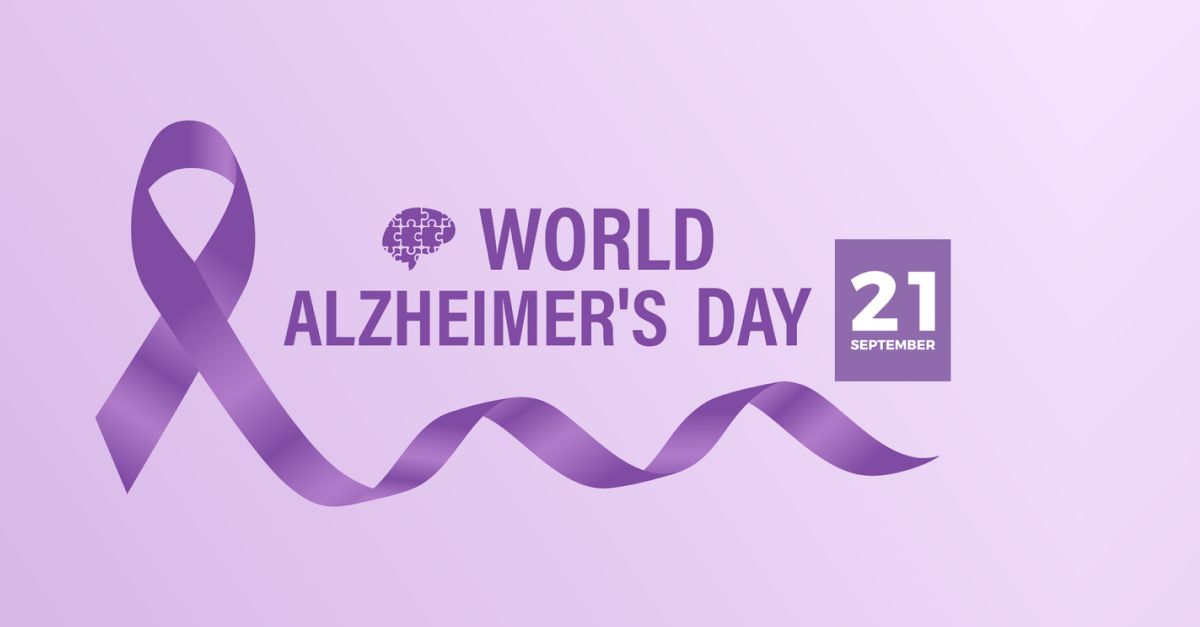
The findings come as Alzheimer’s Disease International marks World Alzheimer’s Day on 21 September with a campaign focused on timely diagnosis. This year’s theme, “The Earlier You Know, The More You Can Do: A Dementia Diagnosis Matters”, is aimed at tackling low awareness, stigma and discrimination surrounding dementia.
The organisation says a timely diagnosis can help people access treatment, care and support and allow them and their families to plan for the future.
Worldwide, 57 million people were living with dementia in 2021, according to the World Health Organization, with more than 60% in low- and middle-income countries. Nearly 10 million new cases occur each year.
The screening study also found that people who screened positive were more likely to report poorer quality of life and loneliness. Its authors called for timely diagnosis and better ways of supporting people living with dementia in resource-limited settings.