
Kenya’s live reptile exports rise as Nature warns of legal gaps
Scientists warn that patchy wildlife laws allow protected reptiles and amphibians to enter overseas markets, as research records a tenfold rise in live reptile exports from Kenya
A species can be protected by law in the country where it is collected and still be legally sold after crossing an international border.
That gap in wildlife-trade rules is putting reptiles and amphibians at risk, conservation scientists have warned, as international trade grows faster than the laws governing it.
A Comment published in Nature on 14 September by eight conservation and wildlife-policy experts calls for countries to do more to stop animals protected in their countries of origin from entering legal markets elsewhere.
The warning comes as separate research records a sharp rise in live reptile exports from Kenya, with 437,232 animals recorded in CITES trade data between 2013 and 2023.
The two studies do not establish that Kenyan exports are exploiting the legal gaps described by the Nature authors. The Kenyan study instead shows the scale of one national stream of the international reptile trade.
The Nature authors say wildlife-trade rules are often introduced only after species have begun to decline. National laws also differ, allowing an animal that is protected in one country to be traded legally in another.
CITES, the Convention on International Trade in Endangered Species of Wild Fauna and Flora, regulates international trade in thousands of species. But it covers only 9.5% of reptile species and 4.2% of amphibian species, according to the Comment.
Many species therefore fall outside its controls.
The authors say a reptile protected from trade in its country of origin can often be sold legally after it has left that country if the destination country does not protect the species.
“A species protected in its country of origin should not become legal merchandise simply because it crosses a border,” said Susan Lieberman, vice-president for international policy at the Wildlife Conservation Society and one of the authors.
The trade in reptiles alone is worth about US$2.5bn, according to the Comment. More than half of reptiles and 40% of amphibians traded as pets and for other purposes are estimated to come directly from the wild.
The authors cite the ploughshare tortoise in Madagascar, where poaching for the pet trade has contributed to the decline of one of the world’s rarest tortoises.
The trade also carries risks beyond the animals being removed from the wild.
The trade can also move diseases across borders. The authors point to a fungus that has been linked to mass deaths of fire salamanders in Europe after it was introduced through the international pet trade.
Animals released or escaping from captivity can also become invasive. Burmese pythons introduced into the United States have been associated with declines in several native mammal species.
The authors want governments to require traders to show that animals have been obtained legally and sustainably, rather than waiting until a species is threatened before restricting trade.
Kenya’s CITES records show how large one national export stream has become.
A peer-reviewed study published in May analysed official CITES trade records for wildlife exported from Kenya between 2013 and 2023. The dataset contained 886 records involving 28 vertebrate taxa reported as captive-bred or ranched.
Reptiles made up 81.4% of the records.
The number of live reptiles recorded in the trade rose from 8,551 in 2013 to 86,330 in 2023, more than tenfold. Across the 10-year period, the records accounted for 437,232 individual live reptiles.
More than 90% of the shipments were commercial. The records identified at least 43 importing countries.
Tortoises and chameleons accounted for much of the trade.
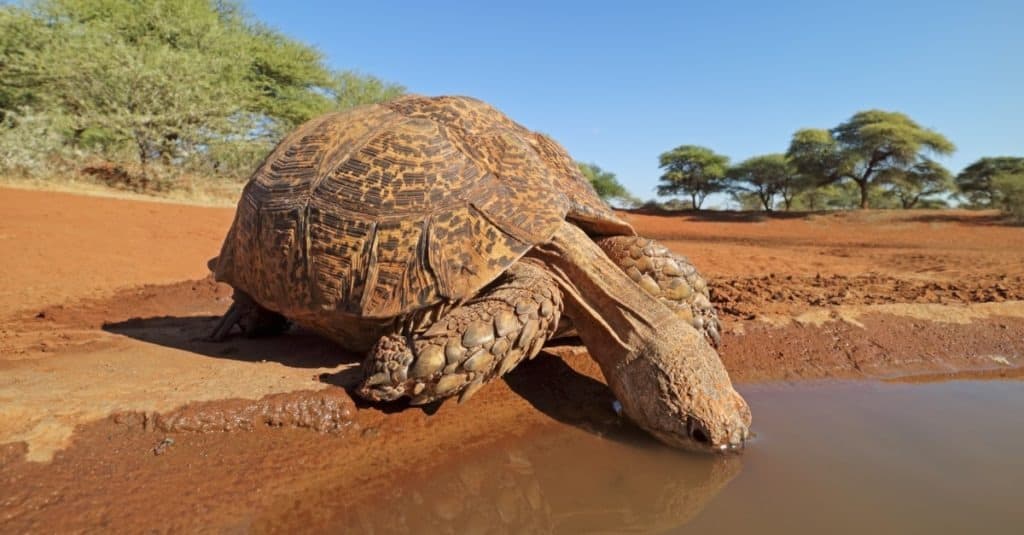
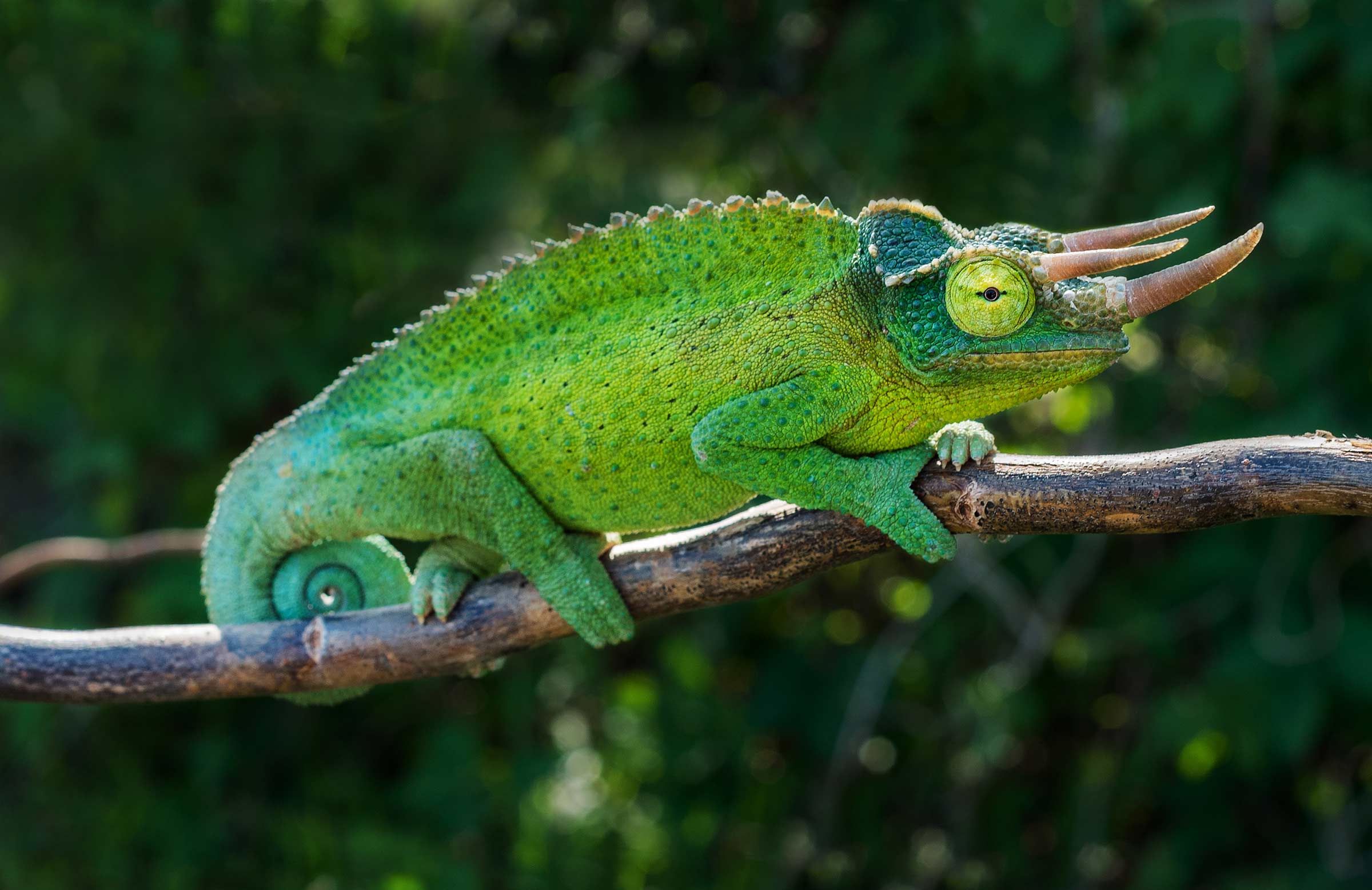
The researchers recorded 246,328 leopard tortoises, 105,767 Jackson’s three-horned chameleons, 29,451 Kenyan high-casqued chameleons, 21,389 Taita blade-horned chameleons and 17,159 Elliot’s groove-throated chameleons in the data.
The main destinations for live chameleons included the United States, Germany, Spain, Hong Kong and Japan. Tortoise exports were concentrated in Germany, Hong Kong, Thailand, Taiwan and Indonesia.
The study found that 77% of the species in its dataset had unknown or declining wild population trends. Seven were internationally threatened, including the critically endangered pancake tortoise.
The records concern exports from Kenya. They do not establish that the animals were wild-caught in Kenya or that all the species were native to the country.
The researchers also found statistically significant differences between the quantities reported by exporters and importers. They said the differences pointed to substantial monitoring and regulatory problems.
The discrepancy does not establish illegal trade or unlawful sourcing.
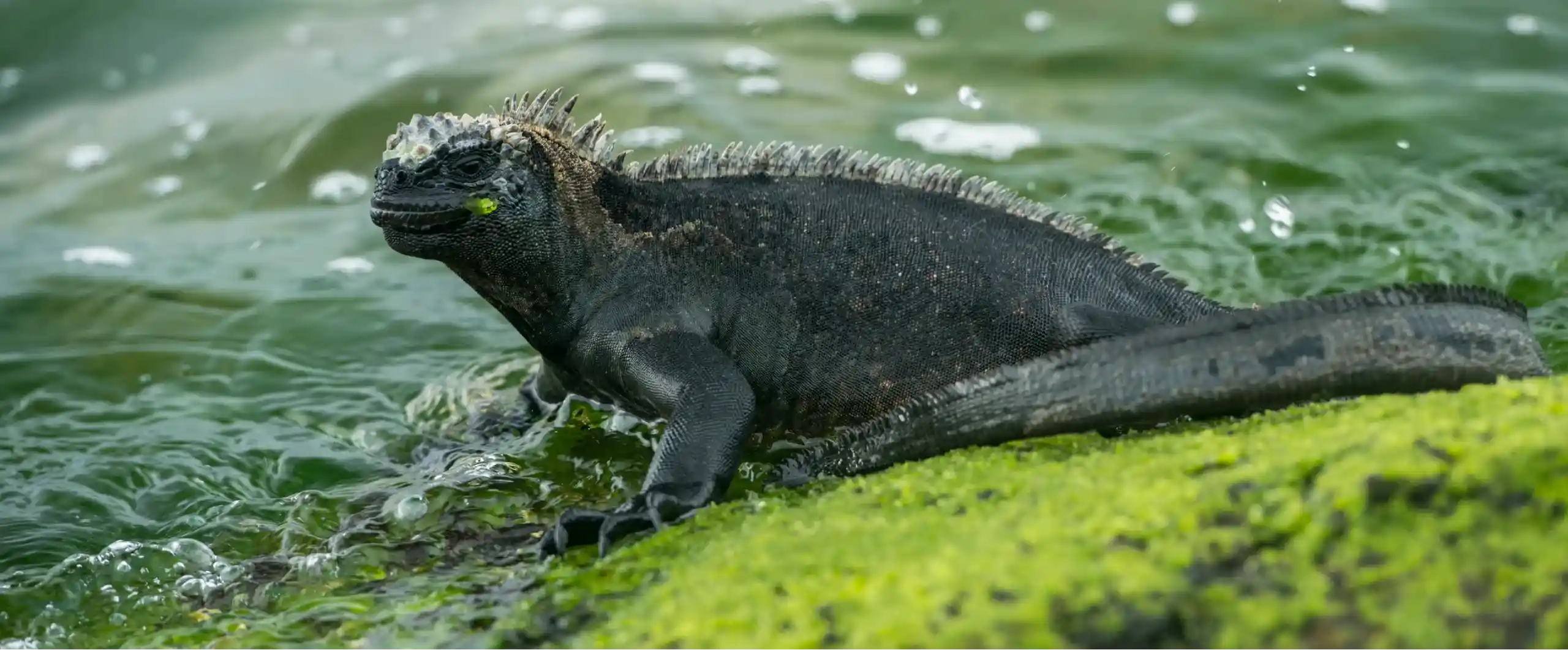
The Nature authors warn that wild-caught animals can also be passed into legal markets using false captive-bred documentation. They cite Galapagos iguanas that are prohibited from commercial export from Ecuador but have appeared in international trade with claims that they were captive-bred.
The Kenyan study does not show that this is happening in Kenya.
Kenya requires permits for the import, export, re-export and other trade in wildlife. Under the Wildlife Conservation and Management Act, authorisation is subject to conditions including a finding that the proposed activity will not be detrimental to the survival of the species.
The Kenya Wildlife Service says live trade and captive breeding are regulated activities and that wildlife utilisation requires prior authorisation. KWS also coordinates Kenya’s implementation of CITES.
But a permit issued in one country does not determine what happens to an animal once it enters another country’s market.
The Nature authors want destination countries to prevent the import, sale, ownership and re-export of animals obtained in violation of the laws of their countries of origin, even when the species is not protected under CITES.
They point to the US Lacey Act as one possible model. They also propose “positive lists” that would allow imports only of species shown to have been legally and sustainably sourced and considered to pose acceptable risks of disease and invasion.
The authors see an opportunity for wider international action in October, when parties to the UN Convention against Transnational Organized Crime meet in Vienna to discuss strengthening the response to wildlife trafficking, including a possible protocol on environmental crime.
The study does not show that the exports are exploiting the legal gaps identified by the Nature authors. It does show how many live reptiles are entering international trade and how widely they are distributed across overseas markets.
What happens to those animals, and what protections apply to them after export, is not captured by the data.