

UNEA-7 Opens in Nairobi Amid Financial Strains and Policy Battles
By Chemtai Kirui | NAIROBI,
The world’s governments filed into the UN compound in Nairobi on Monday for a week of environmental diplomacy, opening a session already strained by budget cuts and political divisions, with the hope of delivering concrete action on pressing global challenges.
About 4,000 delegates from 193 countries, ministers, negotiators, scientists, industry representatives and the usual parade of observers, are here for the seventh UN Environment Assembly (UNEA-7), the body billed as the planet’s top environmental decision-maker. On paper it sets global priorities. In practice, its ability to translate decisions into action will be closely watched.
UN Deputy Secretary-General Amina Mohammed, speaking by video, didn’t sugarcoat the situation. The world’s progress toward the Sustainable Development Goals is “significantly off track,” she said, warning of consequences for economies and basic wellbeing.
“We cannot afford for our long-term investments in prosperity and stability to remain disconnected from our green agenda.”
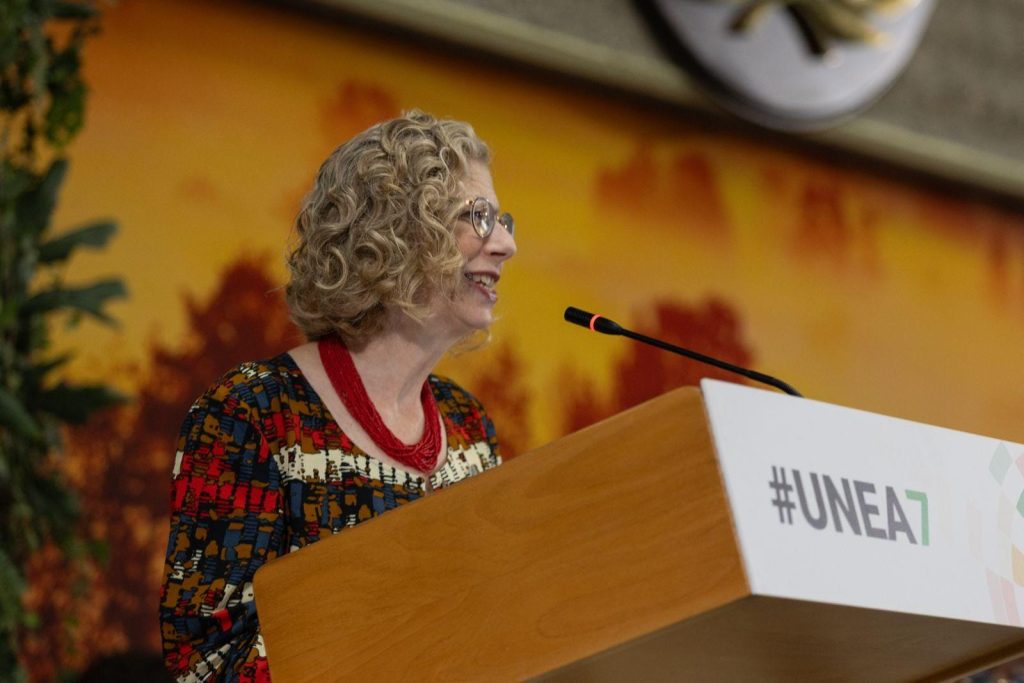
UNEA-7 President Abdullah Al Amri followed with a call for unity.
“Resilience is built together or will not be built at all,” he said, a line that landed politely, even as delegates prepared for battles over wording in the main documents.
The agenda spans climate, biodiversity, chemicals, waste, land restoration, artificial intelligence governance, antimicrobial resistance and the ever-thickening fight over plastic pollution.
The global plastics treaty talks stalled in Geneva in August, and negotiators arrived in Nairobi under pressure to show they can still demonstrate meaningful progress.
Meanwhile, UNEP’s own house is under strain.
Contributions to its core Environment Fund have dropped, and diplomats say a 20% budget squeeze has already limited staffing and programme capacity. Several delegations want the agency’s Medium-Term Strategy for 2026–2029 reopened for edits, a move others fear could unravel months of work.
As host, Kenya is taking the lead in shaping the global environmental agenda this week, pushing three resolutions, on AI, antimicrobial resistance and sustainable sports and is using the week to showcase its national plans, including a 15-billion-tree campaign running to 2032.
For African countries at large, the assembly is a rare chance to press environmental priorities on home soil.
Of 19 draft resolutions submitted, several have already been withdrawn, and negotiators expect consensus to narrow as the week progresses.
Still, the stakes remain high. The decisions taken in Nairobi will shape UNEP’s direction for the next four years and influence environmental policy across regions already facing drought, land degradation and waste crises.
The assembly runs through Friday, when negotiators will try once again to agree on how to save a planet running out of time.