Ruto Assents to Record KSh4.7Tn Budget as KRA Gets KSh17.6Bn Boost to Bridge Deficit
Security, health and agriculture allocations rise in KSh393bn supplementary budget
By Chemtai Kirui | Nairobi
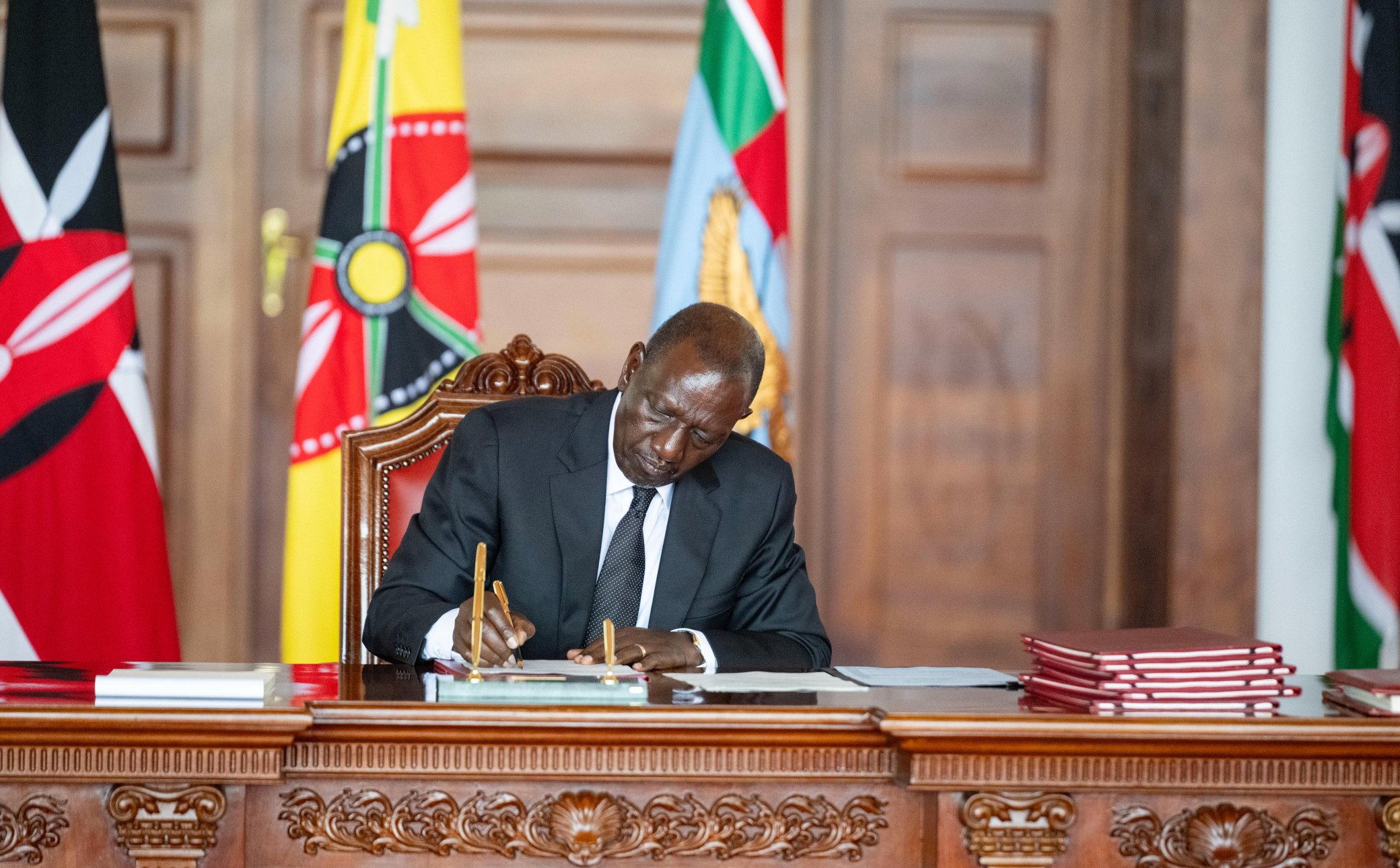
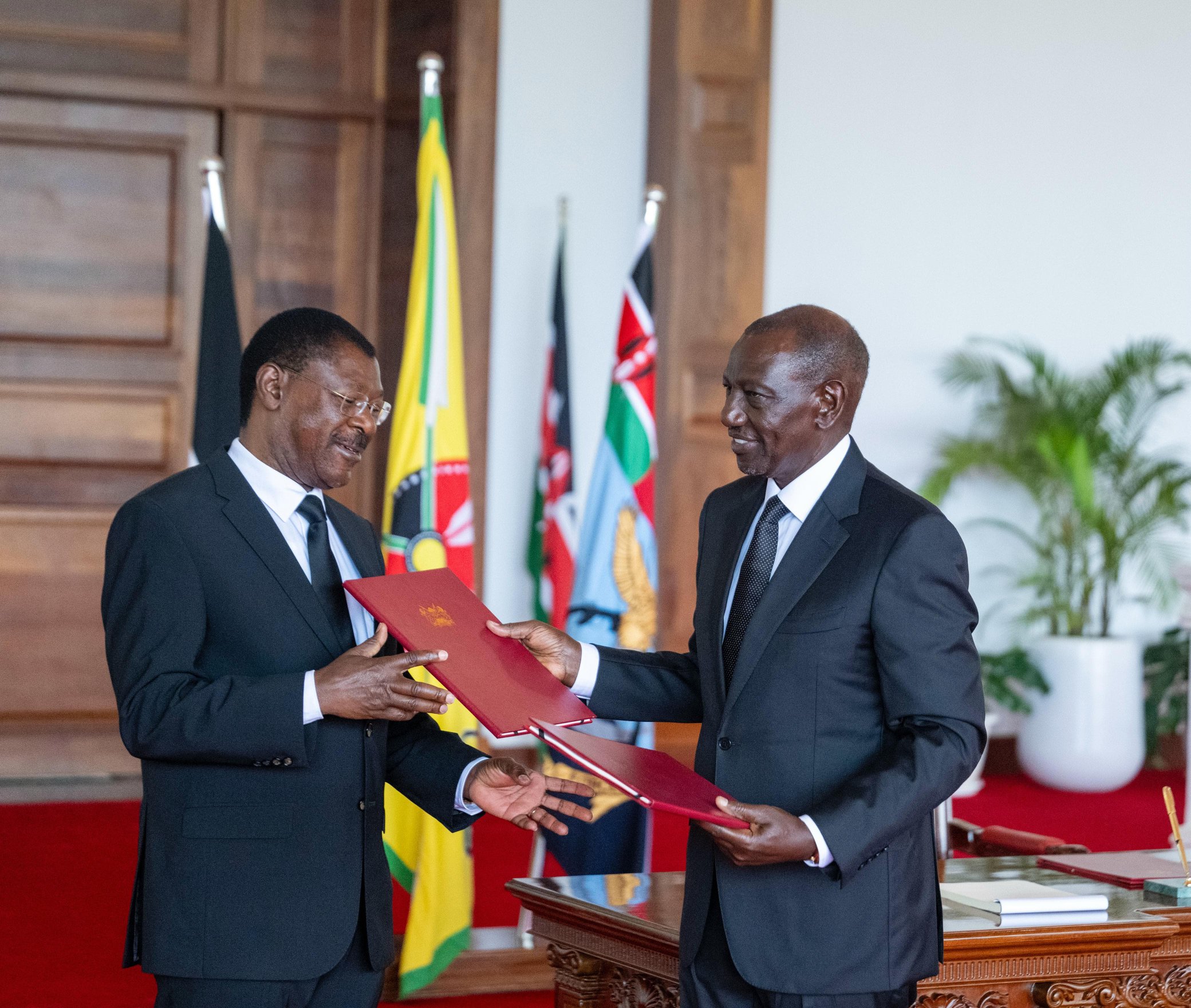
President William Kipchirchir Samoei Arap Ruto has signed the Supplementary Appropriations Bill, 2026 into law, authorising an additional KSh393.12 billion in government spending and pushing the total budget for the 2025/26 financial year to KSh4.695 trillion.
The increase represents a 9.1 per cent expansion of the budget and comes as the government moves to realign spending toward debt obligations, revenue collection and priority sectors under the Bottom-Up Economic Transformation Agenda (BETA).
Ruto said the additional spending was aimed at “addressing urgent and emerging priorities,” including security operations, disaster response and strategic investments.
The law also formalises spending under Article 223 of the Constitution, which allows the government to incur expenditure before parliamentary approval in cases of urgency.
A significant share of the additional allocation has been directed to revenue collection. The Kenya Revenue Authority has received KSh17.6 billion to enhance tax administration systems and expand the tax base.
The allocation comes against a revenue shortfall of KSh115.3 billion recorded as of December 2025, increasing pressure on the authority to improve compliance and collections ahead of the next budget cycle.
Budget and Appropriations Committee chairperson Samuel Atandi said the funding is intended to improve efficiency in tax collection and reduce reliance on additional taxation to finance supplementary expenditure.
The Independent Electoral and Boundaries Commission has been allocated KSh2.9 billion to clear pending bills from previous electoral cycles. The move is expected to stabilise the commission’s finances ahead of preparations for the 2027 General Election.
Security and agriculture recorded some of the largest increases in the supplementary budget. National security agencies received more than KSh50 billion in additional funding, including KSh24 billion for defence, KSh10 billion for the National Intelligence Service and KSh7.5 billion for the National Police Service.
The allocation also includes KSh2 billion set aside to compensate victims of human rights violations and protests between 2017 and 2024, marking a specific provision for redress within the security budget.
The agriculture sector received KSh17 billion, with KSh10 billion allocated to the fertiliser subsidy programme, KSh2 billion for sugar sector reforms and arrears, and KSh1.5 billion for food security and crop diversification programmes.
The supplementary budget also reinforces infrastructure and housing programmes, with KSh25 billion allocated to the Affordable Housing Programme and KSh4.5 billion to road development projects under the Horn of Africa Gateway initiative.
The health sector received an additional KSh26 billion to support the transition to the new social health insurance framework, bringing total sector funding to KSh164 billion. The allocation includes Sh4 billion to clear pending bills under the defunct NHIF, KSh5.4 billion for the doctors’ internship programme, KSh2.6 billion for vaccines, KSh2.5 billion for Moi Teaching and Referral Hospital and KSh675 million for the upgrading of Level 4 hospitals.
In education, the Teachers Service Commission was allocated KSh24 billion to meet personnel costs and salary obligations, forming part of a broader increase in sector funding.
Additional allocations to the education sector include KSh4.1 billion for the Higher Education Loans Board, KSh3.88 billion to clear university salary arrears under the 2017–2021 collective bargaining agreement, and funding for technical training programmes, including the Kenya-China TVET project.
Despite the increased spending, the fiscal outlook remains constrained. The deficit is projected at KSh866 billion, equivalent to 4.6 per cent of gross domestic product.
The economy is projected to grow by 5.2 per cent in 2026, supported by stable macroeconomic conditions, including an exchange rate of about KSh129 to the dollar.
To finance the expanded budget, the government is also pursuing non-tax revenue measures, including privatisation and securitisation, alongside efforts to strengthen tax collection.
Additional allocations were made to environmental programmes, including KSh2 billion for forestry and rangeland restoration and KSh350 million for an ocean-focused conference aimed at promoting sustainable fisheries.
The supplementary allocations come as the government seeks to balance rising expenditure needs with revenue mobilisation, with the performance of tax collection expected to determine how future budgets are financed.