Hotter, drier January ahead as Kenya Met warns of heat, water and food stress
By Chemtai Kirui
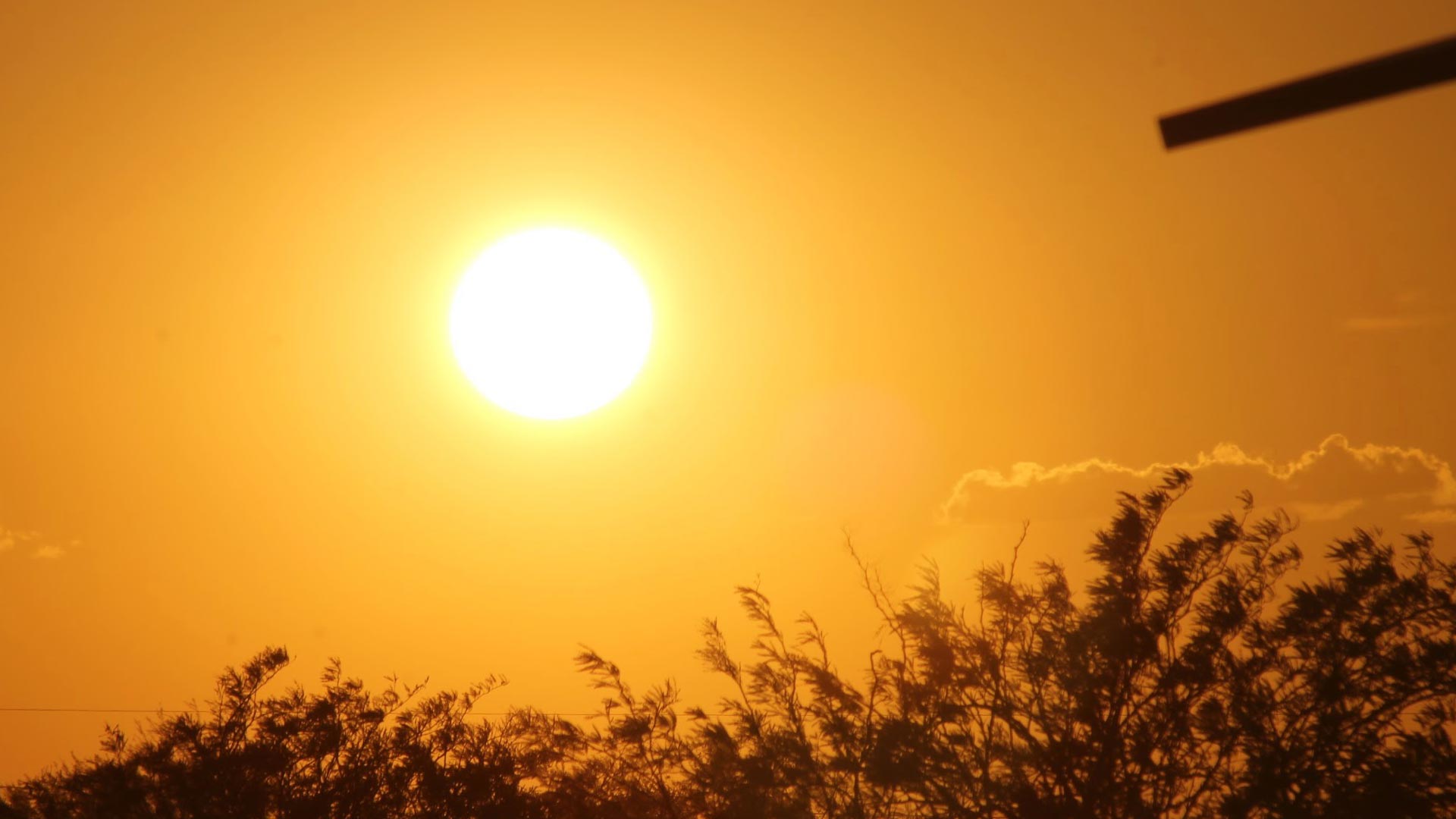
Nairobi, Jan. 8 — Large parts of the country are heading into a hotter-than-average January marked by suppressed rainfall, a combination the Kenya Meteorological Department warns could intensify heat stress, strain water supplies and deepen pressure on food production in already vulnerable regions.
In its Climate Outlook for January 2026, signed by Acting Director Kennedy Thiong’o, the Kenya Meteorological Department said that high daytime temperatures and suppressed rainfall will dominate large parts of the country following the end of the short rains season, with arid and semi-arid lands, major urban centres, and parts of the Rift Valley and eastern regions expected to feel the strain most acutely.
While January heat is part of the country’s normal seasonal cycle, meteorologists warn that the current outlook risks compounding existing pressures from drought, rising food prices and stretched water resources, with the heaviest burden likely to fall on already vulnerable communities.
“Hot and dry conditions increase the risk of heat stress and dehydration, while also worsening moisture stress for crops and livestock,” KMD said in its advisory, urging the public and sector agencies to take precautionary measures.
Health risks rise with prolonged heat
Public health officials caution that sustained high temperatures pose risks for outdoor workers, children, older people and those with underlying health conditions. Heat exhaustion and dehydration become more likely during prolonged exposure, especially in densely populated informal settlements where access to water and cooling is limited.
The Ministry of Health has previously advised Kenyans to increase fluid intake, reduce strenuous outdoor activity during peak heat hours and check on vulnerable family members during hot spells.
Employers in sectors such as construction, transport and agriculture are also encouraged to adjust work schedules where possible to reduce heat exposure.
Urban areas, including Nairobi and Mombasa, are expected to experience heat stress exacerbated by congestion and limited green spaces, analysts say.
Pressure on food production and pastoral livelihoods
The dry outlook also carries implications for agriculture at a time when food security concerns are already elevated. Crops planted late during the short rains face moisture stress, while pasture and water availability for livestock in ASAL counties is expected to decline further.
Pastoralist communities are particularly exposed, as shrinking water points force longer livestock treks in search of pasture, increasing the risk of livestock losses and conflict over scarce resources. In crop-growing areas, farmers reliant on rain-fed agriculture may face reduced yields, adding pressure to household food supplies.
The heat and dryness reinforce concerns about dependence on imported staples, including rice, and the sensitivity of food prices to weather shocks.
“Even short dry spells can disrupt food availability and prices when combined with existing deficits,” said an agricultural economist, noting that climate variability continues to strain both producers and consumers.
Water and environmental stress intensifies
Water availability is another growing concern. Reduced rainfall and higher evaporation rates are expected to lower water levels in rivers, dams and reservoirs, particularly in eastern and northern regions. Some counties have already begun early water rationing and trucking in the most affected areas.
Environmental agencies also warn that dry, hot conditions increase the risk of wildfires in forests, rangelands and wildlife conservancies, threatening ecosystems and livelihoods dependent on tourism. Wildlife movement in search of water and pasture may heighten the risk of human-wildlife conflict in fringe communities.
Authorities have urged communities to practice water conservation, protect water catchments and avoid activities that could spark fires during the dry spell.
Preparedness and early action
Government agencies say early warnings are intended to help counties and communities prepare rather than alarm. Measures include disseminating heat advisories, supporting water access in hotspots and coordinating with health and disaster response teams to monitor emerging risks.
Communities are also being encouraged to harvest and store available water, protect livestock assets and adopt heat-smart practices where possible.
While some relief is expected later in the quarter, the immediate outlook highlights how climate patterns continue to shape everyday risks for households.