Baseline Report Reveals Deep Gaps In Kenya’s Education System
By Samson Kurgat | NAIROBI,
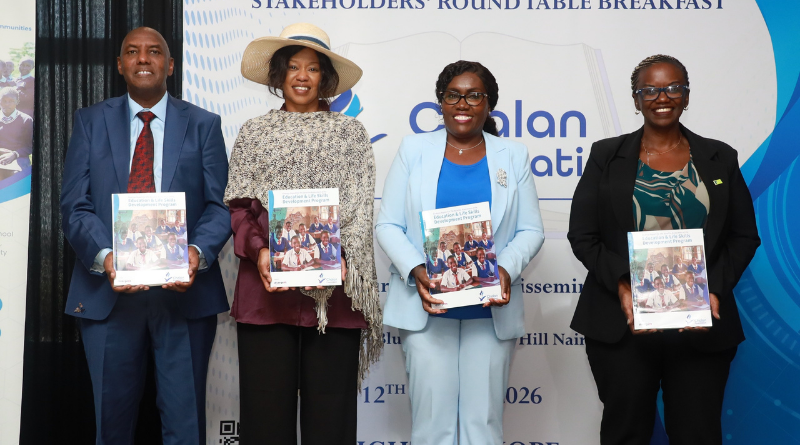
Education stakeholders have been urged to take urgent action to improve learning outcomes and address structural barriers affecting learners across the country, following the release of a new baseline survey by the Chalan Foundation.
Speaking during the dissemination of the report, the event’s Chief Guest, Ms. Mendi Njonjo, CEO of KCB Foundation, called on the government and education stakeholders to study the findings and work collectively to improve learning in schools. She noted that the report provides critical insights that can help guide practical reforms aimed at strengthening the education system.
The baseline survey, conducted across 10 counties and 51 public day secondary schools, involved 612 learners and more than 200 parents and guardians. The findings reveal that although learners are highly motivated, school attendance remains fragile; nearly 48 percent of students fail to attend full school weeks consistently due to challenges such as school fees and illness.
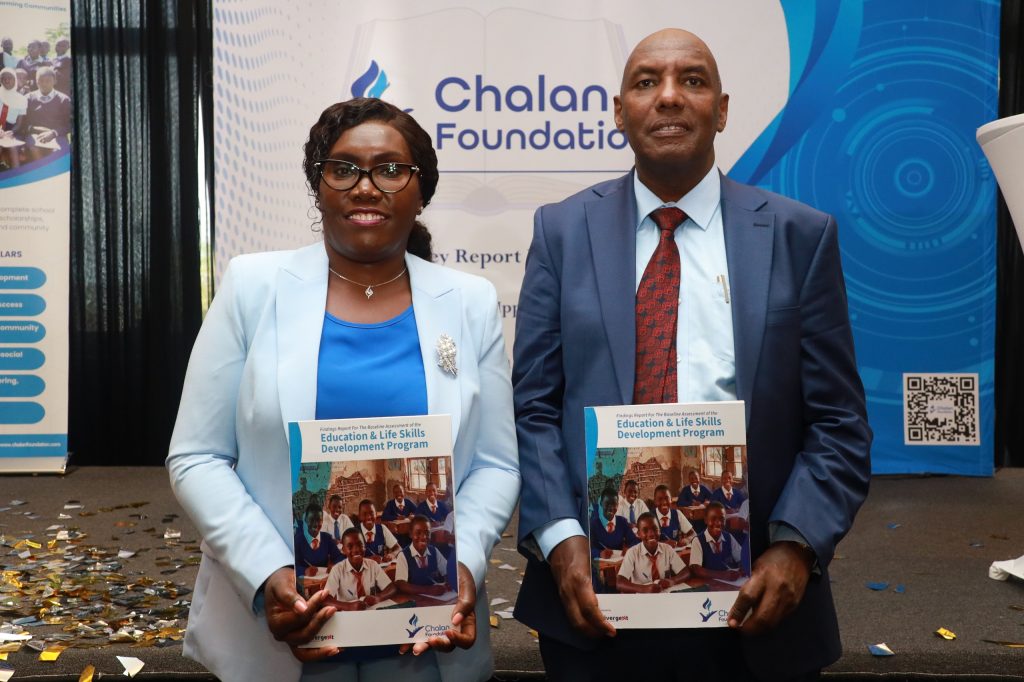
Kello Harsama, Principal Secretary in the State Department for Arid and Semi-Arid Lands (ASALs) and Regional Development, emphasized the need to strengthen learner retention and improve transitions to higher education and employment, particularly for students in ASAL regions.
“We must continue investing in partnerships and evidence-based interventions to ensure every learner acquires the skills needed to thrive in a rapidly changing world,” Harsama said, underscoring the importance of collaboration among government, communities, and development partners.
Chalan Foundation Founder, Margaret Koskei, said the organization established the education and life skills development program to address barriers that prevent vulnerable learners from remaining in school and succeeding beyond the classroom. She noted that while school enrollment has improved, deeper challenges—such as poverty, limited learning resources, psychosocial stress, and digital access gaps—continue to affect education outcomes.