Global health summit in Nairobi pushes Africa-led reforms
By Chemtai Kirui | Nairobi
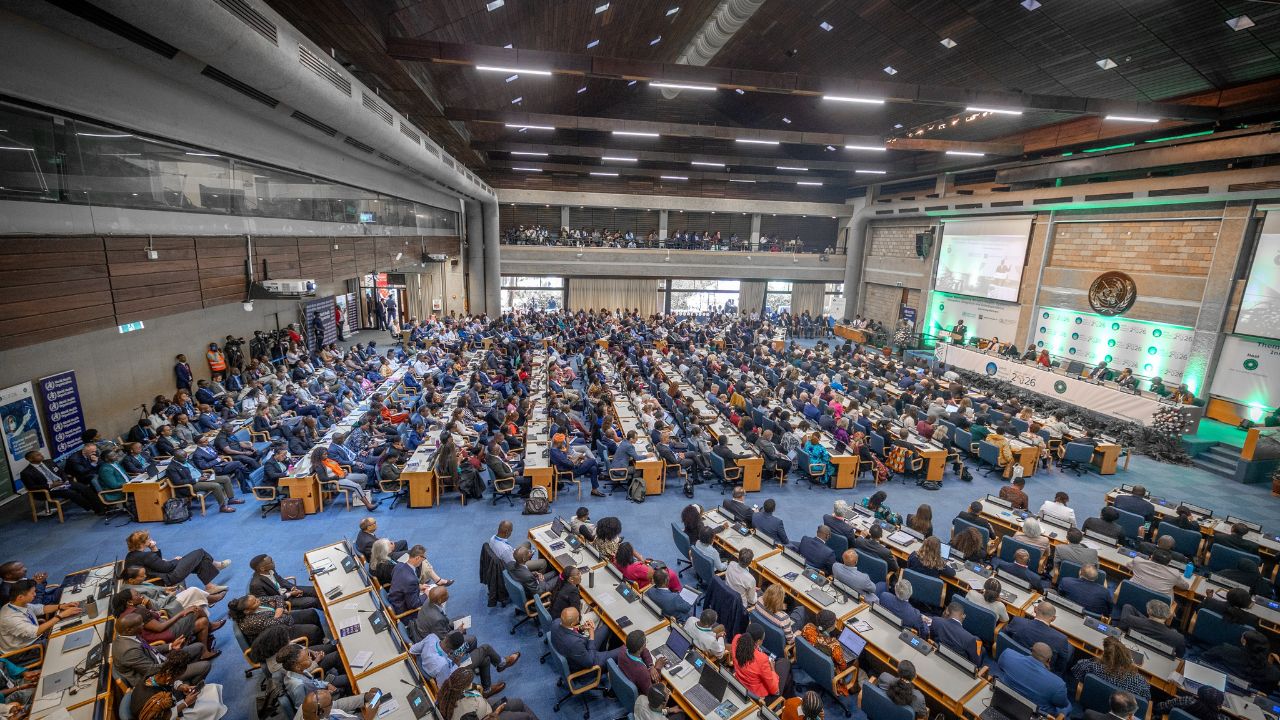
Global health leaders in Nairobi on Monday called for a shift away from donor-driven programs, towards African-led financing and research systems, as the World Health Summit Regional Meeting opened with renewed calls for countries to take greater control over healthcare funding, manufacturing and data systems.
A major focus on the first day of the three-day summit was the Lusaka Agenda, a framework aimed at reducing fragmentation in global health financing by moving away from donor support tied to specific diseases and towards broader investment in health systems.
Speaking at the opening session, World Health Organization Director-General Tedros Adhanom Ghebreyesus urged African governments to move beyond aid dependency and strengthen domestic investment in healthcare.
“Universal health coverage is not a luxury, but a human right that requires political choice,” Tedros said. “The mindset of aid dependency has to stop. Now is the time for leadership from governments to transition away from aid dependency and chart the path to self-reliance.”
Delegates said the proposed funding model would enable countries to invest more sustainably in hospitals, laboratories and health workers rather than relying on siloed programs for diseases such as HIV, tuberculosis and malaria.
Held at the United Nations Office at Nairobi, the summit is being co-organized for the first time by the World Health Organization alongside the World Health Summit and Aga Khan University, in what organizers describe as a move toward stronger institutional collaboration on the continent.
The summit, running under the theme Innovation, Integration and Interdependence, is expected to focus on strengthening health systems, expanding domestic financing and accelerating local production of medicines and vaccines.
“African institutions, researchers and policymakers are not consumers of global health policy; we are its co-authors,” said Lukoye Atwoli during the opening plenary.
President William Ruto used the opening session to call for what he described as a reinvention of Africa’s health systems, warning that dependence on imported medical products remained a strategic vulnerability.
“Africa carries over 25% of the global disease burden, yet accounts for less than 3% of global health expenditure. We still produce less than 2% of what we consume,” Ruto said. “This imbalance is neither sustainable nor tenable; it is a security risk that leaves our people vulnerable to the whims of global supply chains.”
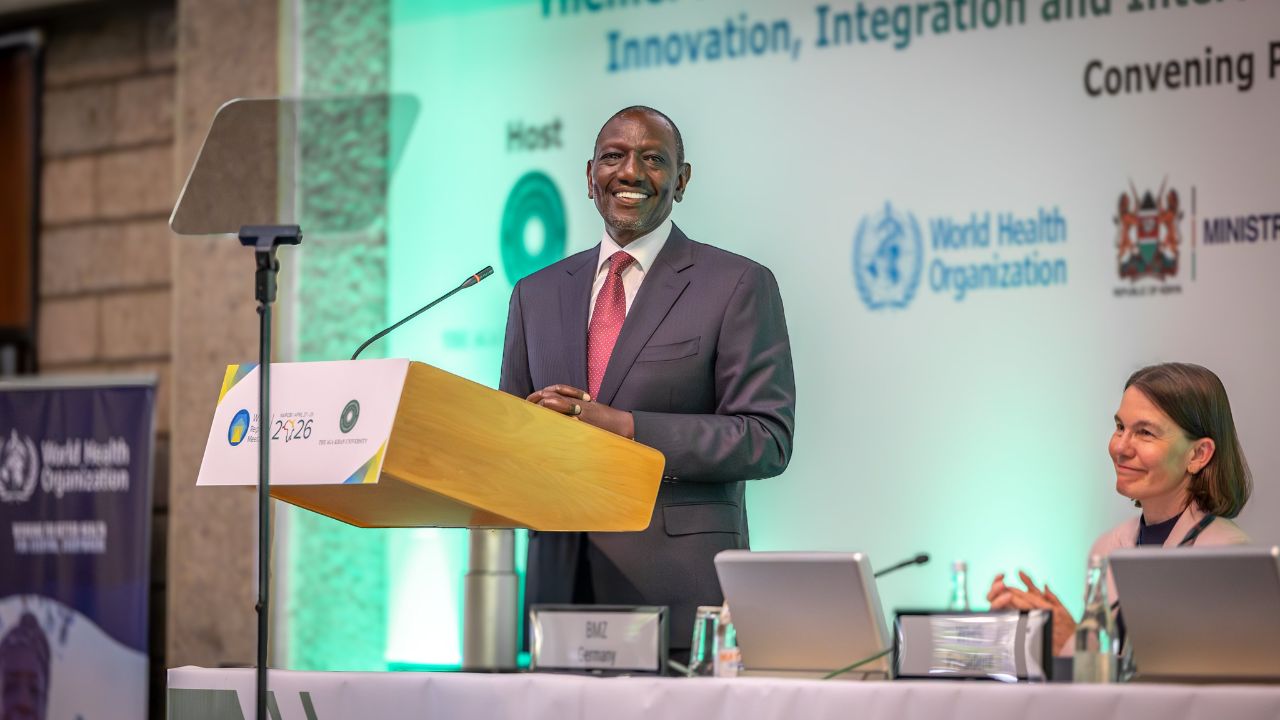
Ruto defended the transition to the Social Health Authority (SHA), presenting it as an example of domestic reform aimed at strengthening health financing systems.
He said 30.7 million people are now registered under the scheme, which has collected KSh169 billion and paid out KSh124 billion in reimbursements to health facilities.
Discussions on digital health also highlighted growing concerns over ownership of health data, with delegates proposing an “African Health Data Space” to govern how patient information is stored and used.
Participants warned that without stronger safeguards, international technology companies risk extracting value from African health data without generating corresponding benefits for local health systems.
Another key theme was the push for local manufacturing of vaccines, diagnostics and essential medicines to reduce reliance on imports and improve access to care.
The COVID-19 pandemic exposed the continent’s dependence on external supply chains, prompting renewed calls for regional manufacturing hubs, technology transfer partnerships and harmonised regulatory systems.
“Local manufacturers cannot scale or remain viable without predictable and aggregated markets,” Ruto said. “We must use the African pooled procurement mechanism to aggregate demand across our borders.”
Participants also reaffirmed a 2028 target to integrate traditional and herbal medicine into national health systems, with pilot projects linking conservation to the development of locally sourced treatments.
Officials pointed to a project led by the Kenya Medical Research Institute in partnership with Elgeyo Marakwet County to establish “medicinal forest gardens” aimed at supporting pharmaceutical research while protecting biodiversity.
The intersection of climate and health featured prominently in the discussions, with experts warning that environmental degradation is already changing disease patterns and increasing pressure on fragile public health systems.
In parallel sessions, researchers highlighted efforts to expand scientific capacity on the continent, including malaria programmes designed to move the full research pipeline—from laboratory development to clinical trials—onto African soil.
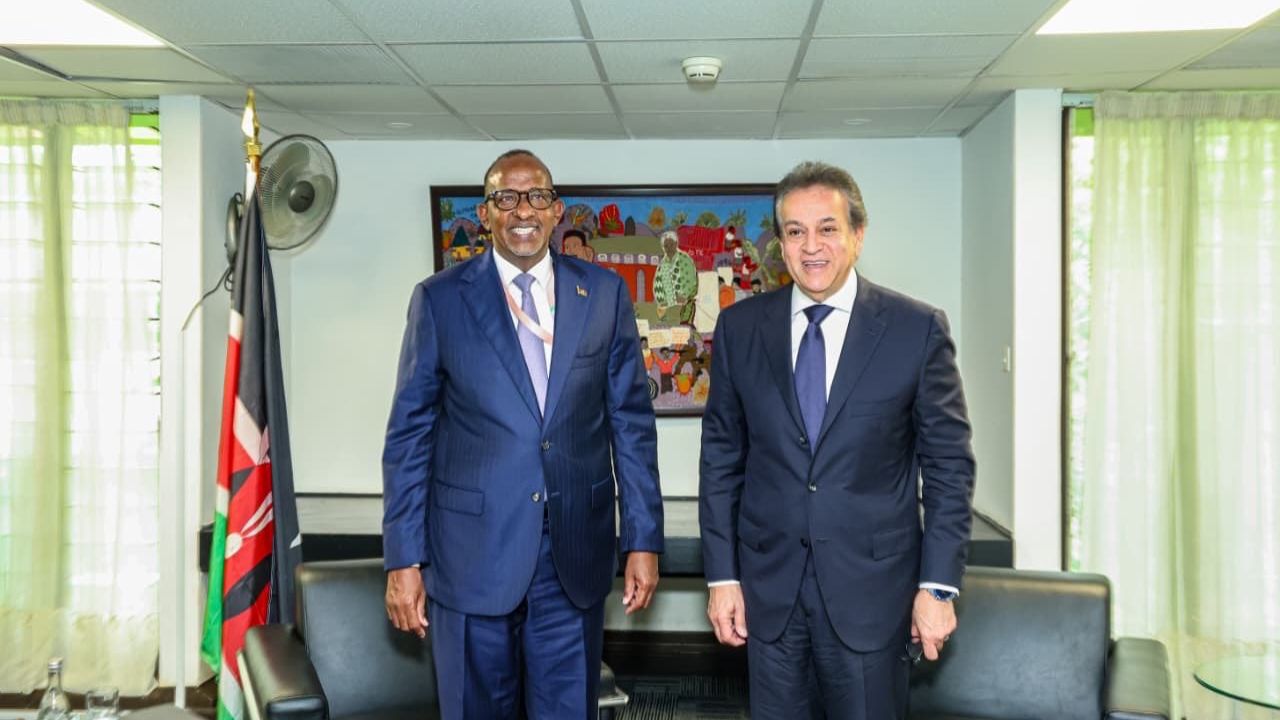
On the sidelines of the summit, Health Cabinet Secretary Aden Duale held talks with Egypt’s Health Minister Khaled Abdel Ghaffar on joint pharmaceutical manufacturing, specialist training and technology transfer.
“We are looking for more than a trade agreement; we are looking for a competence transfer,” Duale said, adding that the partnership would help strengthen local manufacturing capacity through technical support and regulatory cooperation.
The Nairobi meeting forms part of a broader World Health Summit process feeding into global health policy discussions and is expected to generate significant economic activity through hospitality, logistics and conference services.
As discussions continue through Wednesday, the test will be whether the commitments announced in Nairobi translate into practical reforms beyond the summit halls.