Cancer Cases Rise in the Country as Early Detection and Treatment Efforts Expand
By Chemtai Kirui
Nairobi, Feb 5 — Health authorities are grappling with a growing cancer burden, with officials reporting tens of thousands of new cases each year even as efforts to improve early detection, treatment and patient care expand.
Medical specialists estimate that about 44,000 to 48,000 new cancer cases are diagnosed annually, with roughly 28,000 to 29,000 deaths linked to the disease, according to national health data and figures from cancer treatment centres.
Health officials say the rising numbers partly reflect improved screening and diagnostic capacity, but warn that late detection remains a major obstacle, often leading to poorer treatment outcomes.
Speaking at Kenyatta National Hospital’s oncology centre during World Cancer Day events on Wednesday, Medical Services Principal Secretary Dr. Ouma Oluga said the government was scaling up efforts across prevention, early diagnosis, treatment and long-term care.
“Early detection and early diagnosis remain critical if we are to improve outcomes and ensure patients have the best possible experience in the care system,” he said.
Public health experts say that while access to treatment has improved in some regions, late presentation continues to drive high mortality, particularly where oncology services remain limited.
Health officials say delays in diagnosis remain a key challenge. Oluga said many patients take up to five months to receive a confirmed cancer diagnosis, partly because early symptoms often resemble other illnesses and are missed at frontline health facilities.
Health ministry data show that the most common cancers include breast, cervical, prostate, colorectal and oesophageal cancers, with a gradual rise in pediatric cases also reported.
Expanded screening programs and the wider rollout of human papillomavirus (HPV) vaccination, aimed at preventing cervical cancer, form part of broader efforts to reduce future incidence.
Under the government’s medical equipment program, 84 public hospitals have been equipped with mammography machines for breast cancer screening, according to the Ministry of Health.
Officials say improved referral and follow-up systems are needed to ensure the equipment is fully utilized.
Cervical cancer remains the second most common cancer among women, with many patients still seeking treatment at advanced stages, health officials say, driving up treatment costs and placing pressure on referral hospitals.
Health financing remains a critical constraint. The Social Health Authority increased oncology cover from KSh 550,000 to KSh 800,000 late last year, but implementation has been uneven, according to health sector groups.
The Kenyan Network of Cancer Organizations (KENCO) says delays in tariff gazettement and reimbursement have limited access to care in both public and private facilities, leaving some patients to pay out of pocket despite being insured.
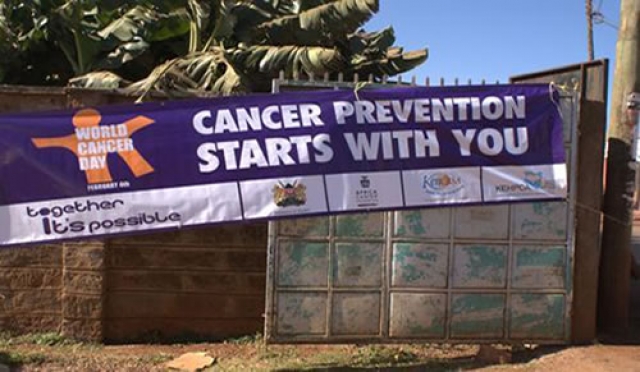
World Cancer Day, observed annually on Feb. 4, draws attention to both the personal nature of each patient’s journey and the wider need to strengthen prevention, treatment and support systems.
Health officials say the rising cancer burden reflects a broader increase in non-communicable diseases across low- and middle-income countries, where delayed diagnosis and resource constraints contribute to higher mortality.
The Ministry of Health says it is expanding access to cancer services, including increased coverage under the Social Health Authority and the development of additional outpatient and treatment facilities at national referral hospitals.
Officials say sustained investment in prevention, early diagnosis and comprehensive care will be critical to reducing the long-term impact of cancer on patients and families.