
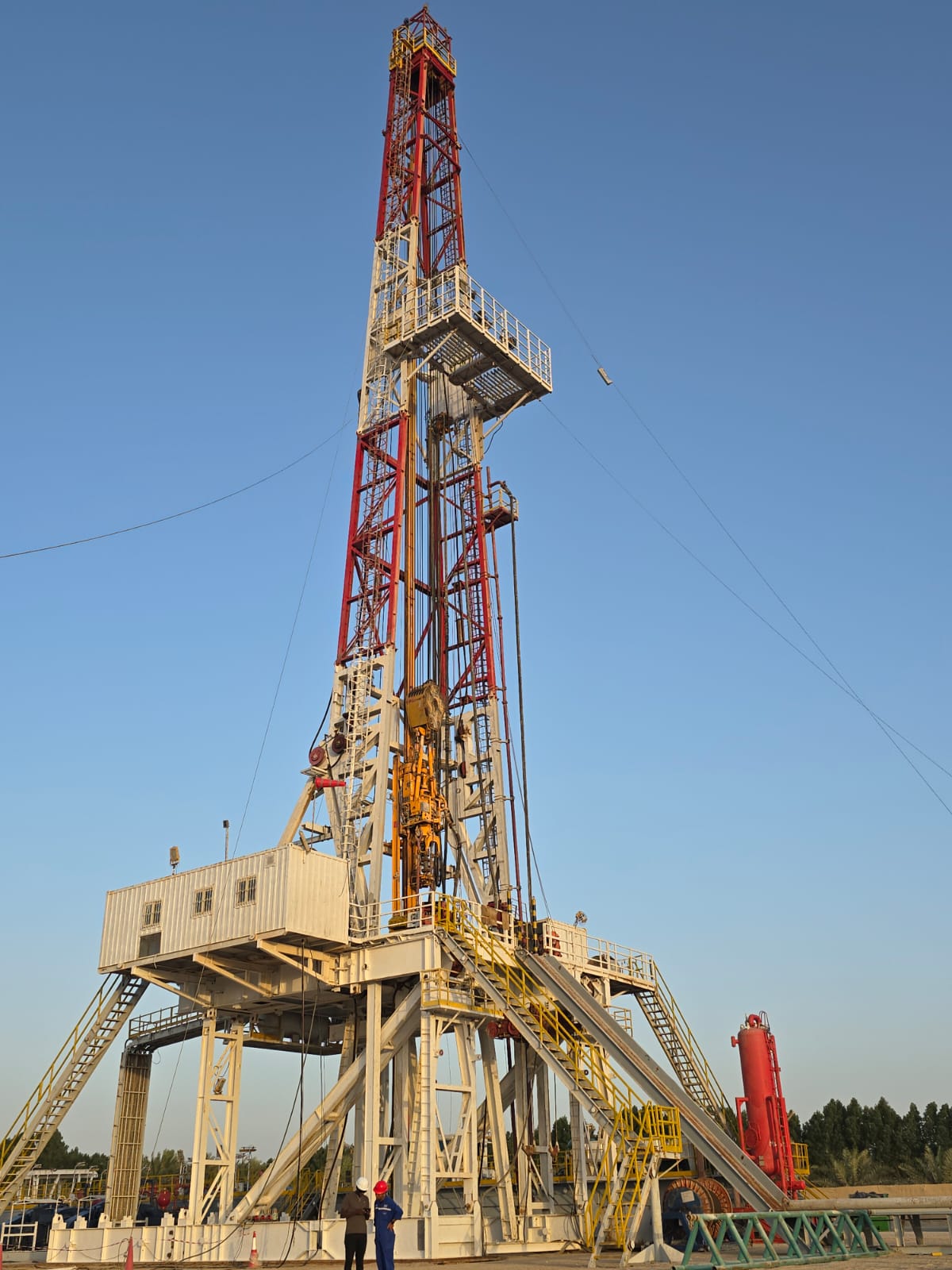
South Lokichar oil project nears drilling as cost recovery and logistics cloud fiscal outlook
By Chemtai Kirui
NAIROBI, Feb 21 — As preparations gather pace for drilling in the South Lokichar oil fields, attention is shifting from equipment mobilisation to the fine print of the development plan that will determine when, and how much, revenue reaches the Treasury.
The KSh 774 billion ($6 billion) project is targeting first oil by December 2026, with Gulf Energy recently securing an onshore drilling rig expected to arrive mid-year. But beyond the operational timeline, debate is intensifying over cost recovery terms, a looming parliamentary deadline and the economics of transporting crude before a long-planned export pipeline is built.
The Field Development Plan was submitted by Auron Energy E&P Limited, the affiliate that formally signed the sale and purchase agreement with Tullow Oil, responsible for overseeing operations and investment in the South Lokichar Basin.
At the centre of the fiscal discussion is a proposed increase in the cost recovery ceiling from 60 percent to 85 percent. Under the Petroleum Act 2019, contractors are allowed to recover up to 60 percent of annual gross revenue to recoup exploration and development costs, with the remainder classified as “profit oil” to be shared between the state and the investor.
Auditor-General Nancy Gathungu has flagged the proposed 85 percent cap as potentially inconsistent with the statutory limit set under the Petroleum Act 2019, saying that such an adjustment could delay the point at which the government begins receiving a larger share of revenue.
At an 85 percent recovery rate, for every KSh 12,920 earned from oil sales (approximately $100), KSh 11,000 would first go toward recovering investment and operating costs before profit sharing begins.
Supporters of the higher cap say that front-loading cost recovery improves project bankability and helps attract financing for capital-intensive developments. Critics counter that it could result in modest fiscal flows in the early years of production, particularly if global oil prices weaken or operational costs rise.
Under Section 31 of the Petroleum Act, lawmakers have 60 days to consider and ratify a Field Development Plan once it is formally submitted. The current review period is set to lapse on March 4, after which the plan may be deemed ratified in accordance with Section 31(2) of the Petroleum Act if Parliament does not act.
Members of the Joint Energy Committee have said they are working to conclude deliberations before the deadline, amid concerns about aligning contractual provisions with existing law.
The original export strategy envisioned a heated crude pipeline to the coast, a multibillion-dollar infrastructure project that remains under development and is unlikely to be operational by 2026.
In the interim, authorities plan to truck up to 20,000 barrels per day from Turkana to the port of Mombasa, a journey of roughly 1,100 kilometres. Industry analysts say that road transport is estimated to be more expensive than pipeline evacuation and carries additional handling, security, and environmental considerations.
The trucking phase is expected to serve as a temporary solution for the first two years of production. However, higher transportation costs could affect net project economics and, by extension, the pace at which recoverable expenses are cleared.
The timeline to first oil also appears compressed. Development wells typically require several weeks of drilling and completion work per well. If the rig arrives in June and drilling begins in July, the window to complete sufficient wells and stabilise output before December is limited, according to standard industry drilling timelines.
Beyond revenue sharing and logistics, the project’s long-term environmental obligations are drawing scrutiny.
The Auditor-General has said that the current plan does not yet include a fully detailed decommissioning framework within the current plan, including delayed contributions to a restoration fund despite production being slated to begin in 2026.
Decommissioning provisions are a legal requirement designed to ensure that oil fields are safely rehabilitated once production ceases.
Officials have said these provisions will be incorporated in line with regulatory requirements before full-scale operations commence.
The South Lokichar development is widely seen as a test of whether commercial oil production can deliver meaningful fiscal returns while complying with legal and environmental safeguards. For now, the debate has shifted from whether drilling can begin to how the financial and regulatory architecture will shape who benefits, and when.
With Parliament’s decision due in early March and logistical preparations advancing, the coming weeks may determine not just the start date of production, but the structure of the country’s first major oil revenue stream.