Government says new Nairobi-Nakuru highway deal to save taxpayers KSh76.2 billion
New toll-road model shifts traffic risk to private investors after previous concession was terminated.
NAIROBI – The government expects to save KSh76.2 billion after terminating the original public-private partnership for the Nairobi-Nakuru-Mau Summit highway and replacing it with a new toll-road concession that shifts commercial risk from taxpayers to private investors.
The National Treasury said the revised agreement reduces the project’s estimated cost to KSh173.5 billion from about KSh249.7 billion under the previous concession while eliminating annual government payments that officials said posed a growing fiscal burden.
Treasury said the original availability-payment model would have required the government to pay the concessionaire about KSh23 billion a year over the life of the contract regardless of traffic volumes, exposing public finances to significant long-term liabilities.
Government assessments projected the arrangement would have created a cumulative funding gap of up to KSh200 billion over the first 15 years if revenues failed to meet expectations.
The previous concession was terminated after a review found that changes in global inflation, exchange rates and debt-servicing costs had significantly altered the project’s financial outlook since it was negotiated.
The government paid an estimated KSh7.3 billion to exit the agreement, avoiding a potentially lengthier and more costly international arbitration process.
The replacement concession, signed in May and June, adopts a user-pay toll model under which motorists, rather than the government, finance the highway through toll charges.
Under the new structure, private investors assume the demand risk, meaning their returns depend on traffic volumes rather than guaranteed government payments.
The agreement also includes a revenue-sharing mechanism under which the government will receive 60% of toll revenues generated above a 16% internal rate of return, allowing the state to benefit if traffic exceeds projections.
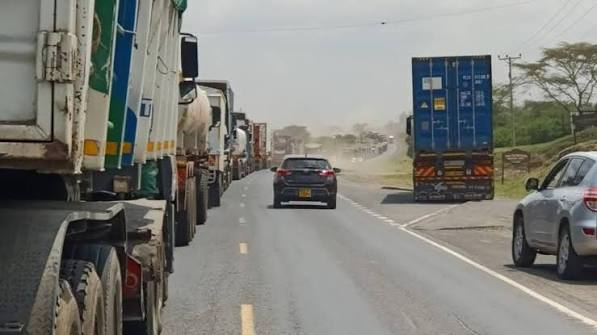
The Nairobi-Nakuru-Mau Summit highway forms part of the Northern Corridor, one of East Africa’s busiest transport routes linking the Port of Mombasa with Uganda, Rwanda, South Sudan and eastern Democratic Republic of Congo.
The restructuring comes as the government seeks to reduce contingent liabilities associated with public-private partnerships while continuing to attract private investment in transport infrastructure amid broader fiscal consolidation efforts.