
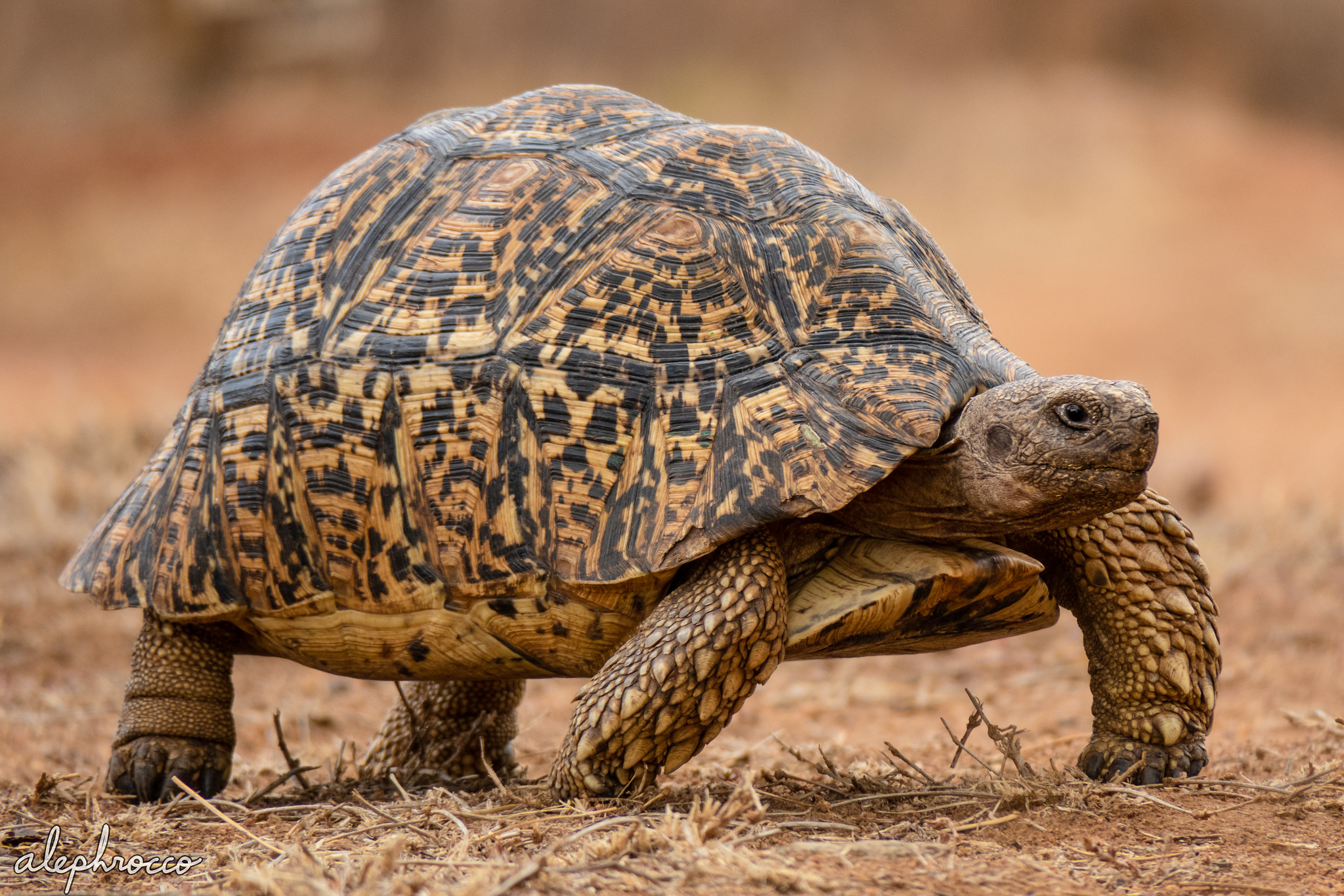
Booming reptile trade raises concerns over wildlife welfare and disease risks
By Chemtai Kirui | Nairobi
A growing trade in captive-bred reptiles and exotic wildlife in the country is drawing scrutiny from conservationists and animal welfare advocates, who warn that a rapidly expanding global pet market is raising concerns over oversight, animal welfare and disease monitoring systems, while accelerating the commercialization of wild animals.
Beyond the globally recognized safari industry, a quieter wildlife economy built around breeding farms, cargo systems and exotic pet markets has expanded rapidly over the past decade.
New analysis released this week by World Animal Protection found that exports of live wild animals from the country rose sharply over the past decade, driven largely by international demand for reptiles destined for exotic pet markets in North America, Europe and Asia.
The findings, based on a peer-reviewed analysis of trade records filed under the Convention on International Trade in Endangered Species of Wild Fauna and Flora (CITES), examined wildlife exports reported by the government between 2013 and 2023. The study identified 886 CITES export records involving captive-bred or ranched wildlife species, more than 80% of them reptiles including tortoises, chameleons and crocodiles.
During the same period, the number of live animals exported annually rose from roughly 8,000 to about 86,000, according to the analysis, with 93% of shipments classified as commercial trade.
The report found that more than three-quarters of the species involved had either declining or unknown population trends in the wild.
The study also identified major discrepancies between export figures reported by the state and import figures reported by destination countries under the CITES system. For leopard tortoises alone, researchers identified a discrepancy of roughly 84,000 animals between exporter and importer records over the study period.
The discrepancies raised broader questions about traceability and enforcement within the international wildlife trade system, although they cautioned that the discrepancies did not necessarily prove laundering or illegal trade.
Technical experts note that CITES reporting differences can arise from administrative inconsistencies. Exporting countries often report permit numbers issued, while importing countries record actual arrivals. In addition, importing states are not always required to issue permits for Appendix II-listed species such as leopard tortoises, potentially creating underreporting gaps.
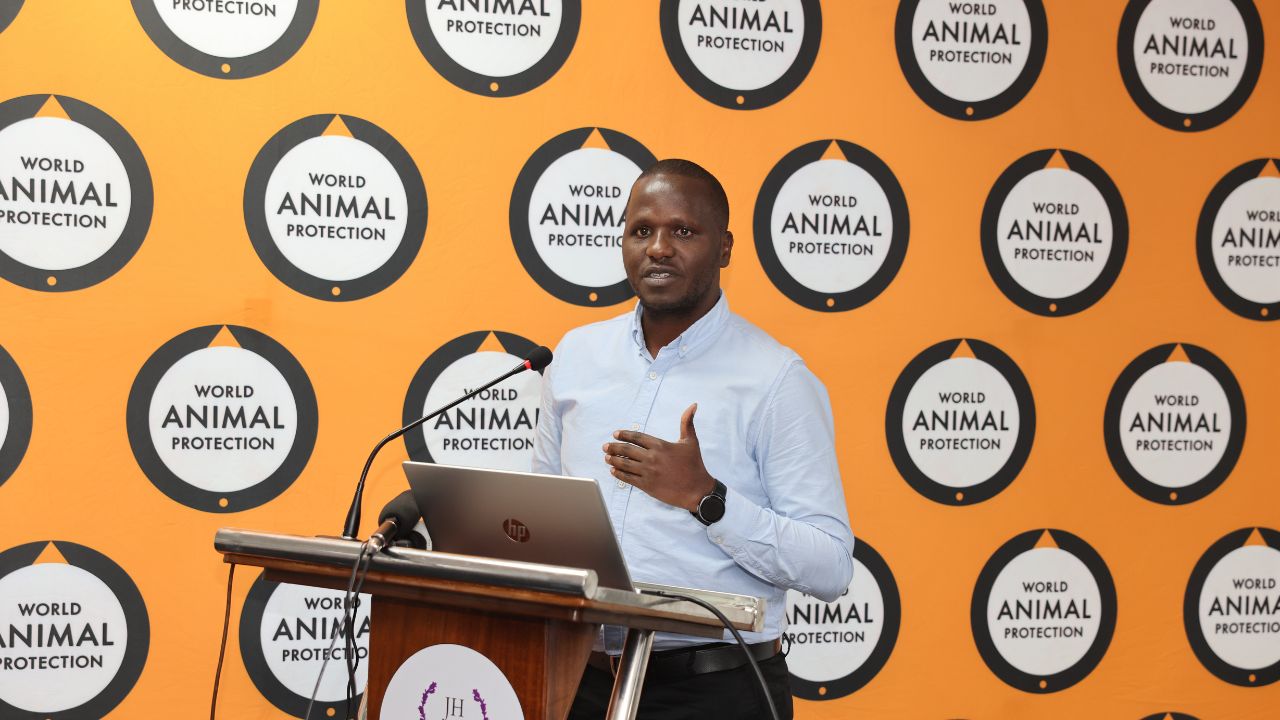
“What we are seeing is rapid growth in wildlife commodification,” said Dr. Patrick Muinde, research manager at World Animal Protection and a lead author of the study.
“Many people think wildlife trade is only a conservation issue, but it is also an animal welfare issue and a public health issue.”
Under the Wildlife User Rights provisions of the Wildlife Conservation and Management Act (2013), species including crocodiles, tortoises, snakes, chameleons and ostriches can legally be bred and traded under licence.
Kenya Wildlife Service (KWS) officials have defended captive breeding as a legal alternative to harvesting animals from the wild. Solomon Kyalo, KWS head of CITES implementation, has previously said regulated breeding systems are intended to meet international demand for heavily traded reptile species while reducing pressure on wild populations.
Conservation groups say the legal nature of much of the trade complicates conventional narratives around wildlife exploitation, which often focus primarily on poaching and trafficking.
“Legal trade does not automatically mean sustainable trade,” said Tennyson Williams, Africa director at World Animal Protection. “We have clear evidence that legal trade does not always translate into adequate welfare standards or full regulatory compliance.”
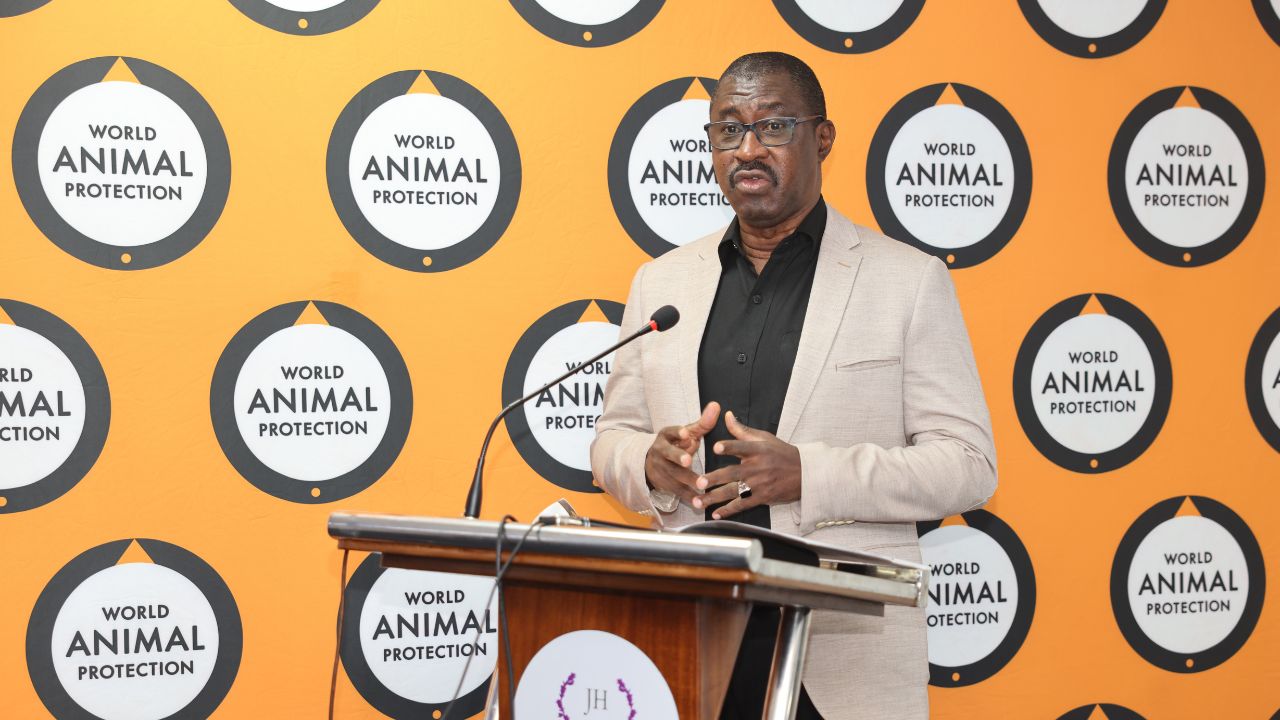
Williams said some licensed captive-breeding facilities still operated below acceptable welfare standards and warned that commercial breeding systems can create opportunities for wild-caught animals to be laundered into legal supply chains.
“Where facilities rely on wild extraction to sustain captive-breeding operations, it is cruel,” he said.
The concerns emerge as debate intensifies around the proposed Wildlife Conservation and Management Bill 2025, which conservation lawyers and advocacy groups say could widen commercial wildlife exploitation if not accompanied by stronger independent oversight and welfare safeguards.
Environmental lawyer Brian Chacha Sammy and members of the Hifadhi Society Kenya have raised concerns over broad “sustainable use” provisions within the proposed law, arguing that weak monitoring systems could make enforcement difficult as commercial wildlife enterprises expand.
Supporters of the legislation, including Patrick Omondi, CEO of the Wildlife Research and Training Institute (WRTI), and Silvia Museiya, Principal Secretary for Wildlife, say the reforms are necessary to expand sustainable-use programs capable of generating conservation revenue and increasing economic benefits for communities living alongside wildlife.
The government has framed the approach as part of a broader economic agenda aimed at treating wildlife as a productive national asset.
The country also serves as both a source and transit hub within East and Central African wildlife trade networks.
Among the most heavily traded species identified in the report were leopard tortoises, pancake tortoises and several species of chameleons exported primarily as live animals for the exotic pet trade.
The analysis found nearly 250,000 leopard tortoises were traded during the study period, alongside tens of thousands of chameleons and more than 80,000 Nile crocodile skins exported mainly to Singapore and South Korea for the reptile leather industry.
According to the wildlife trade monitoring network TRAFFIC, Singapore has emerged as a major Asian processing hub for reptile skins imported from Africa before they are re-exported into luxury fashion supply chains.
The report also documented growing demand for selectively bred reptiles marketed for rare colours and patterns, including ball pythons bred specifically for exotic pet collectors abroad.
Wholesale prices for chameleons can fall as low as KES 3,700 (USD 28), while rare morphs marketed in U.S. exotic pet markets may retail for between KES 33,000 (USD 250) and KES 92,400 (USD 700).
Researchers warned that high international demand and large price markups can increase incentives for illegal wild collection where monitoring and enforcement systems remain weak.
The African grey parrot, prized internationally for its intelligence and ability to mimic human speech, was cited as one example of a species heavily affected by the exotic pet trade.
The species has long been targeted for the international pet market, despite commercial trade restrictions under CITES Appendix I.
“There used to be many in Kakamega Forest,” Muinde said. “Today, spotting one in the wild is increasingly rare.”
Although field observers report declines, African grey parrots remain largely absent from official monitoring systems. The abridged 2025 National Wildlife Census focused primarily on large mammals and wetland bird species, leaving smaller traded species such as parrots without comprehensive national population data.
The lack of a reliable baseline complicates efforts to determine whether local populations of the CITES Appendix I-listed species are recovering or continuing to decline.
A central concern raised by animal welfare groups involves captive-breeding operations, which critics say can obscure the movement of wild-caught animals into legal export chains.
Photographs presented during the World Animal Protection briefing showed reptiles crowded inside small holding spaces in some licensed facilities. The report also cited allegations that some tortoises collected from the wild were transported to breeding facilities before later entering export chains classified as captive-bred animals.
“Captive-bred does not automatically mean cruelty-free,” Williams said. “Even legal trade can involve suffering.”
Some licensed breeders publicly describe their operations as compliant with Kenya Wildlife Service regulations and international husbandry standards.
Voo Reptiles, for example, says it uses climate-controlled enclosures, specialized UV lighting and KWS-approved veterinary supervision.
Since the COVID-19 pandemic, researchers and public health experts have increasingly examined wildlife trade through the lens of zoonotic disease risk.
Williams said the movement of live wild animals across borders increases opportunities for disease transmission between animals and humans, particularly as commercial wildlife supply chains expand globally.
“Wildlife trade creates pathways for disease transmission,” he said.
Reptiles are known carriers of pathogens including Salmonella, which can spread through handling, transport systems and contaminated captive environments.
Scientists estimate that roughly 70% of emerging infectious diseases are zoonotic in origin, placing wildlife trade systems under growing scrutiny within “One Health” frameworks linking environmental, animal and human health.
Although the government adopted a One Health Strategic Plan covering 2021–2025, researchers said the country still faces major limitations in wildlife disease surveillance, including shortages of specialized laboratories and validated wildlife diagnostic systems.
Biosecurity systems, they warned, often struggle to keep pace with the speed and scale of international wildlife trade.
Recent enforcement actions suggest wildlife trafficking networks are increasingly targeting smaller and unconventional species that are easier to conceal and transport through international transit hubs.
In April 2026, a Nairobi court sentenced a Chinese national to one year in prison and fined him KES 1,000,000 (USD 7,700) for attempting to smuggle more than 2,000 live queen harvester ants through Jomo Kenyatta International Airport (JKIA ), reflecting a growing demand for smaller exotic species that are increasingly sought after by collectors abroad.
Last year, authorities arrested suspected traffickers accused of attempting to smuggle critically endangered pancake tortoises, a species protected under the highest CITES category prohibiting commercial international trade.
Muinde said slow-growing reptiles with limited geographic ranges are especially vulnerable to overexploitation because they mature late and reproduce slowly, making wild populations difficult to replenish once depleted.
At the same time, the KWS has expanded surveillance operations at the JKIA , where specialized canine units recently screened more than 25,000 flights and 100,000 pieces of luggage for wildlife contraband.
For animal welfare groups, the rapid expansion of captive breeding and exotic pet exports reflects a wildlife economy growing faster than the systems designed to regulate it, raising renewed questions about welfare standards, disease surveillance and the long-term consequences of treating wild animals as commercial commodities.
“Are we building systems that protect wildlife, or systems that profit from wildlife?” Williams asked at the end.