Ruto, Macron push debt reform and investment deals at Africa summit
By Chemtai Kirui | Nairobi
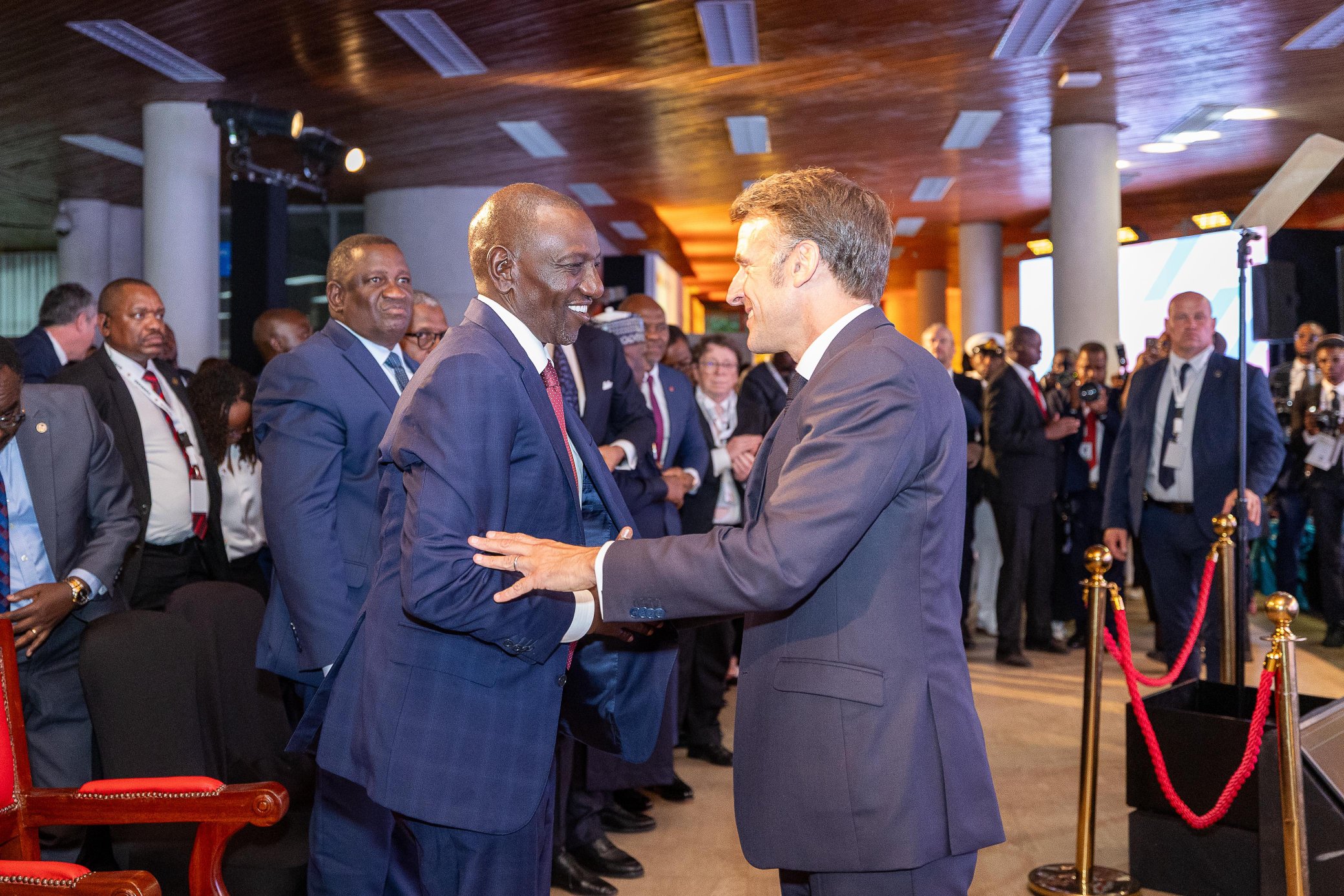
President William Ruto and French President Emmanuel Macron on Tuesday pushed for reforms to the global financial system and deeper investment partnerships with African countries, as leaders meeting in Nairobi announced agreements spanning transport, energy, technology and logistics.
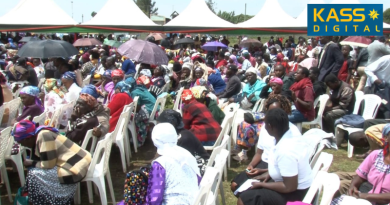
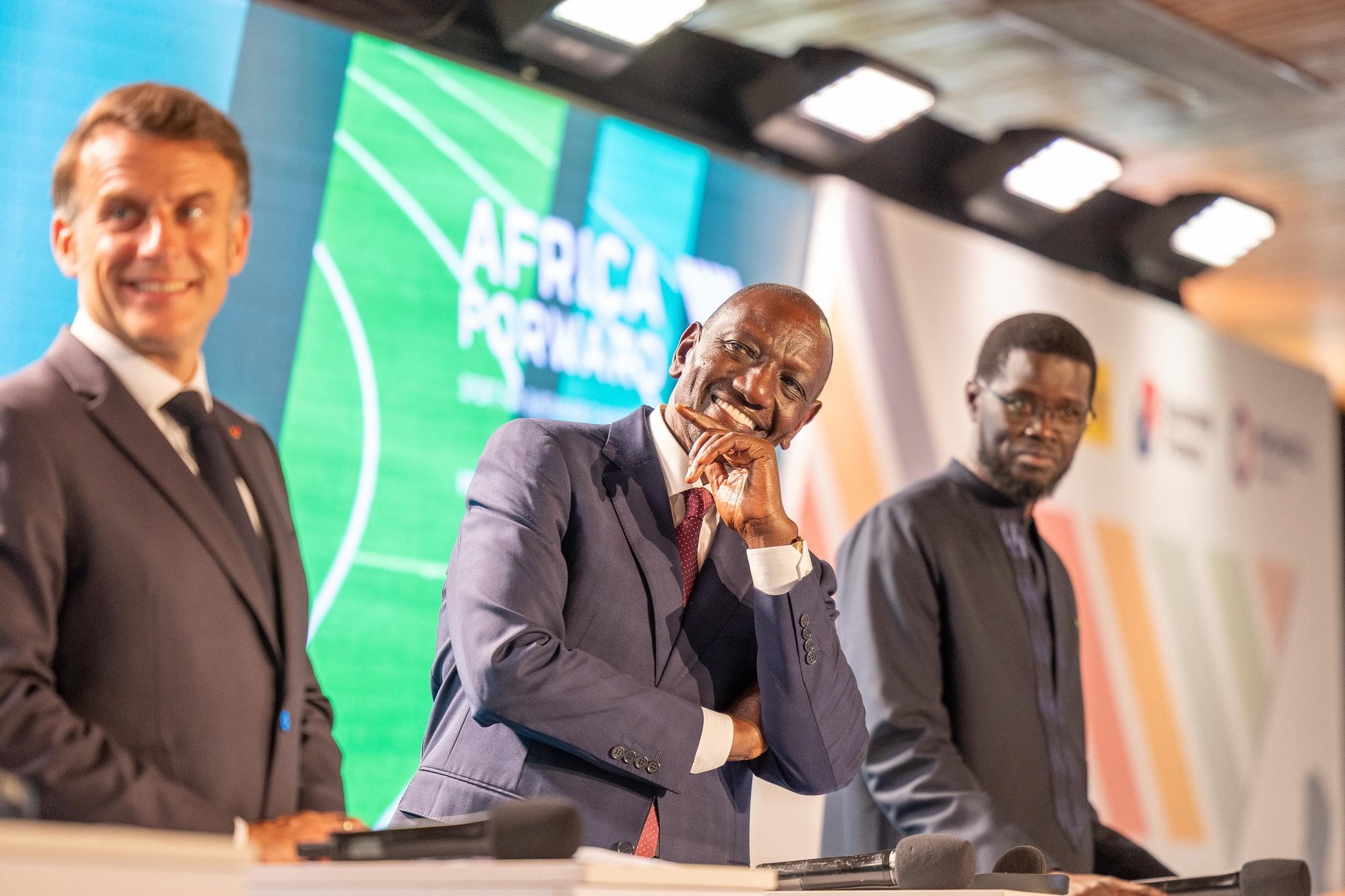
The summit, attended by more than 30 African heads of state and government, marked a shift from traditional aid-focused diplomacy toward infrastructure financing, industrial partnerships and debt reform, according to discussions at the Kenyatta International Convention Centre (KICC).
Ruto and Macron were expected to issue a joint communique later on Tuesday, outlining commitments under what delegates described as a new Africa-Europe partnership framework centred on climate finance, technology and industrial growth.
Speaking during plenary sessions focused on reforming the international financial architecture, leaders called for fairer lending terms for African economies, arguing that developing countries continue to face disproportionately high borrowing costs despite contributing minimally to global emissions.
“We also agreed to work together to push for a new African financial architecture that delivers fairness and debt sustainability,” Ruto said after talks with United Nations Secretary-General António Guterres ahead of the summit.
The discussions come as African governments face rising debt servicing costs and mounting pressure to finance climate adaptation, infrastructure and energy transitions using increasingly constrained domestic budgets.
A series of agreements signed during the summit underscored the economic dimension of the gathering.
Among the flagship projects was a Ksh104 billion (USD800 million) framework agreement involving French shipping and logistics giant CMA CGM targeting cargo infrastructure at the Port of Mombasa and inland logistics corridors.
The two countries also signed a Ksh12.5 billion (USD96 million) agreement to rehabilitate and modernise Nairobi’s commuter rail network linking the capital to satellite towns including Ruiru, Syokimau and Kikuyu.
The talks also featured export partnerships in agriculture, including a supply agreement between French tea retailer Palais des Thés and Gatanga Industries for Kenyan purple tea targeting European premium markets.
Energy cooperation featured prominently in the talks, with the two governments agreeing on a technical partnership covering nuclear energy regulation, safety and training as the government explores long-term options for stabilising the national power grid.
Ruto said the country intended to draw on French expertise as it seeks to expand electricity generation capacity to 10,000 megawatts.
Agreements tied to renewable energy expansion included a planned Ksh32.5 billion (USD250 million) expansion of the Kipeto wind power project.
France is also backing a Ksh1.2 billion (USD9.2 million) project to raise the Masinga Dam wall by 1.5 metres, aimed at stabilising hydropower generation during drought periods.
Beyond infrastructure, discussions at the University of Nairobi focused heavily on artificial intelligence, innovation and youth employment, with leaders positioning Nairobi as a future regional technology and research hub.
Ruto said the government was partnering with France to develop the University of Nairobi’s Science and Engineering Complex, which officials described as a regional research and innovation centre targeting science, engineering and industrial technology.
Macron, whose government has faced declining influence in parts of Francophone West Africa in recent years, used the summit to project a broader partnership with English-speaking African countries built around trade, technology and investment rather than historical ties.
“I believe in a balanced partnership between Africa and France,” Macron said during the summit. “We’re carrying on, onward.”
Diplomats and analysts said the Nairobi gathering was symbolically significant because it marked the first time in more than five decades that a major France-Africa summit had been hosted in a non-Francophone African country.
The summit also carried broader geopolitical undertones as African governments seek to position themselves within global competition over critical minerals, green energy supply chains and digital infrastructure.
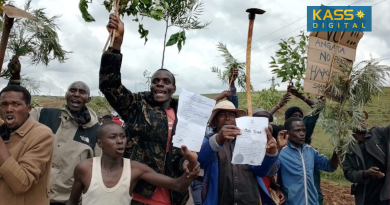
Outside the summit, some civil society groups meeting under the Pan-Africanism Summit Against Imperialism criticised the gathering and recent defence agreements with France, arguing African partnerships should avoid new forms of geopolitical dependence.
Officials involved in the discussions said leaders were also exploring mechanisms that would allow vulnerable countries to temporarily suspend debt repayments following climate-related disasters such as floods and droughts.
Leaders were expected to issue a joint outcome document later on Tuesday outlining commitments on financing, industrialisation, technology and climate cooperation. Some delegates informally referred to the anticipated communiqué as the “Nairobi Declaration 2.0”