
When The Rains Come: Nairobi Races Against Floods
By Shadrack Mutai | NAIROBI,
The rains have returned to Nairobi with force, and once again the city’s fragile drainage system is under pressure. Roads have turned into rivers, estates into islands, and the familiar images of stranded commuters and submerged streets are making their way back into the public conversation.
At City Hall, the urgency was unmistakable.
Governor Johnson Sakaja convened an emergency meeting bringing together principal secretaries and representatives from key national government agencies. The agenda was simple but pressing: stop the flooding, fix the damage, and prevent the city from grinding to a halt.

From the meeting emerged a clear directive — a 48-hour action plan.
Officials have been tasked with mapping Nairobi’s most vulnerable drainage hotspots, identifying roads and infrastructure already damaged by the heavy rains, and outlining exactly what needs to be done, who will do it, and how much it will cost. The goal is speed. Once the report is ready, repairs are expected to begin immediately.
But the flooding conversation goes beyond blocked drains.
The implementation committee also turned its attention to the battered road network, agreeing to prioritize the repair and recarpeting of roads that have been torn apart by the rains. At the same time, discussions extended to another long-standing concern in the city’s neighborhoods — lighting.
Plans are underway to install new street lights across informal settlements, highways, and residential estates, a move aimed not only at improving visibility during storms but also enhancing safety in areas that remain dark after sunset.
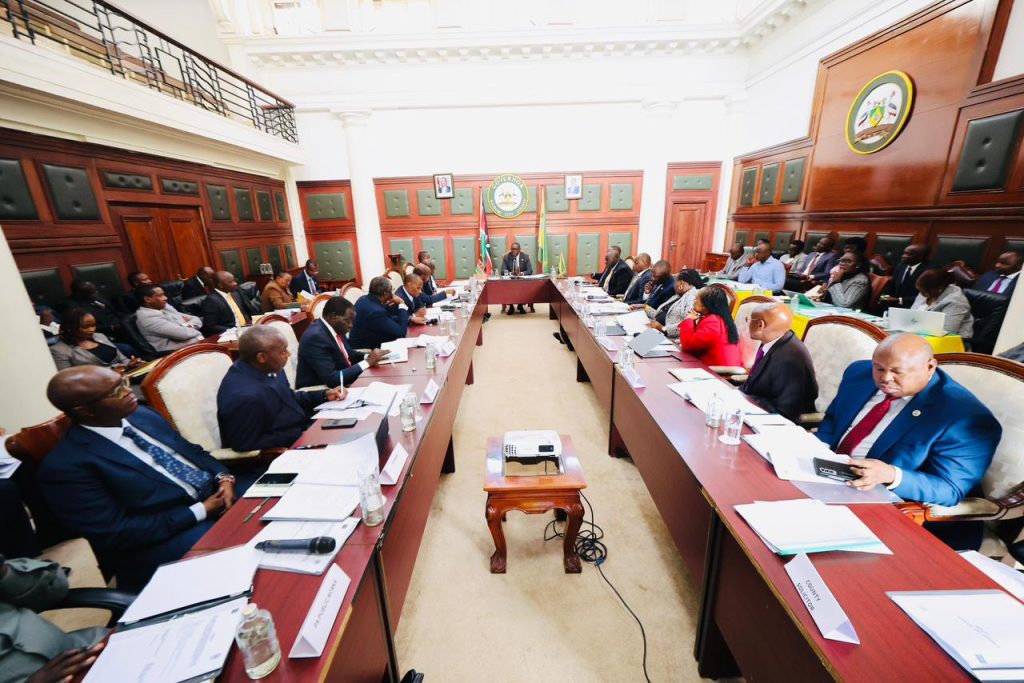
For Nairobi residents, the next 48 hours could determine how quickly the city regains control of the situation. The committee is expected to reconvene on Thursday to review the findings and approve immediate interventions — a crucial step as the rains continue to test the resilience of Kenya’s capital. For now, Nairobi waits, watching the skies and hoping the plans on paper will soon translate into action on the ground.