
How a Forest Fence Became a Community’s Secret Bank.
In Naivasha’s Eburru Forest, a restored landscape is turning honey, birds and water into the foundation of a new rural economy.
By Chemtai Kirui | Naivasha | March 14, 2026
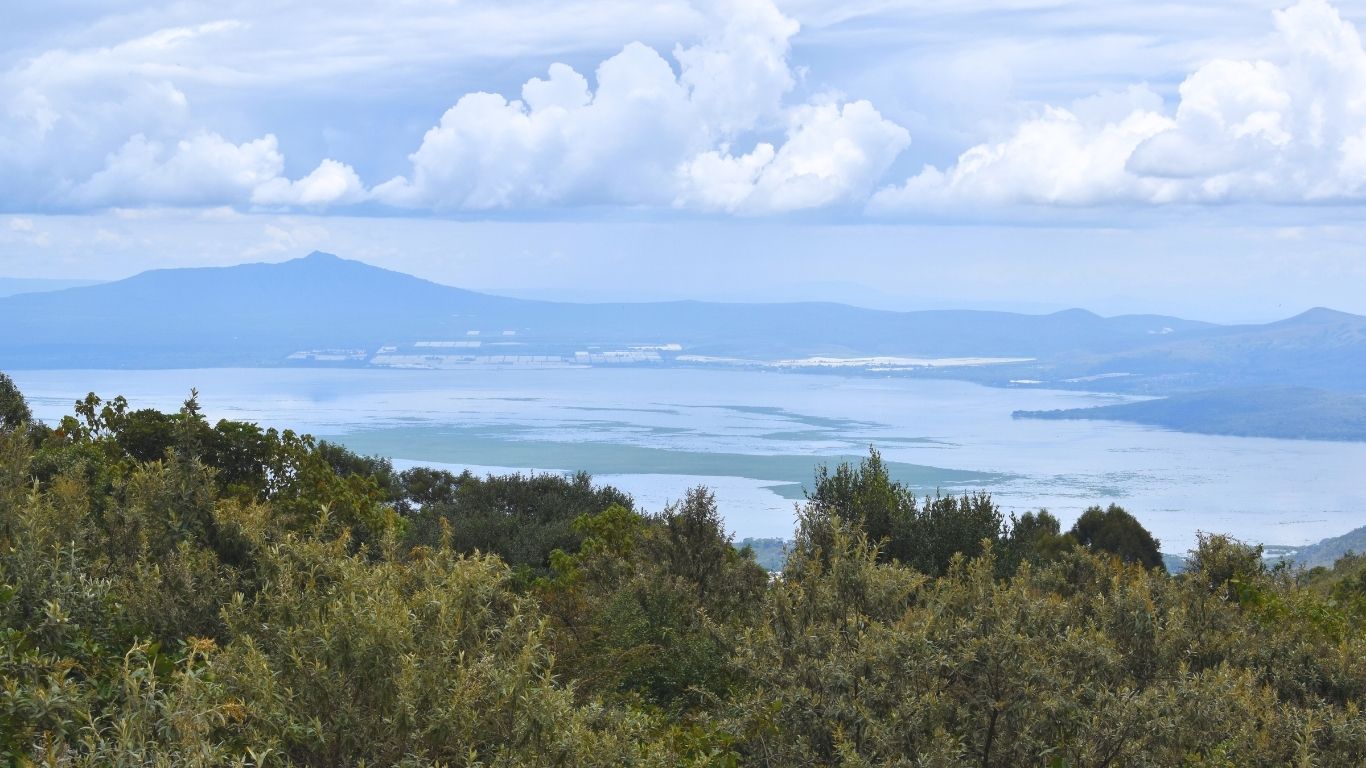
At nearly 2,800 meters above sea level in Eburru Forest, the air is thin, damp, and heavy with the scent of wild jasmine. On a mist-covered ridgeline — a volcanic fragment of the vast Mau Forest Complex — the clouds do not simply pass overhead; they drift through the trees.
From this high ground the landscape stretches across the Great Rift Valley. In the distance the silhouette of Mount Longonot rises above the basin that holds Lake Naivasha.
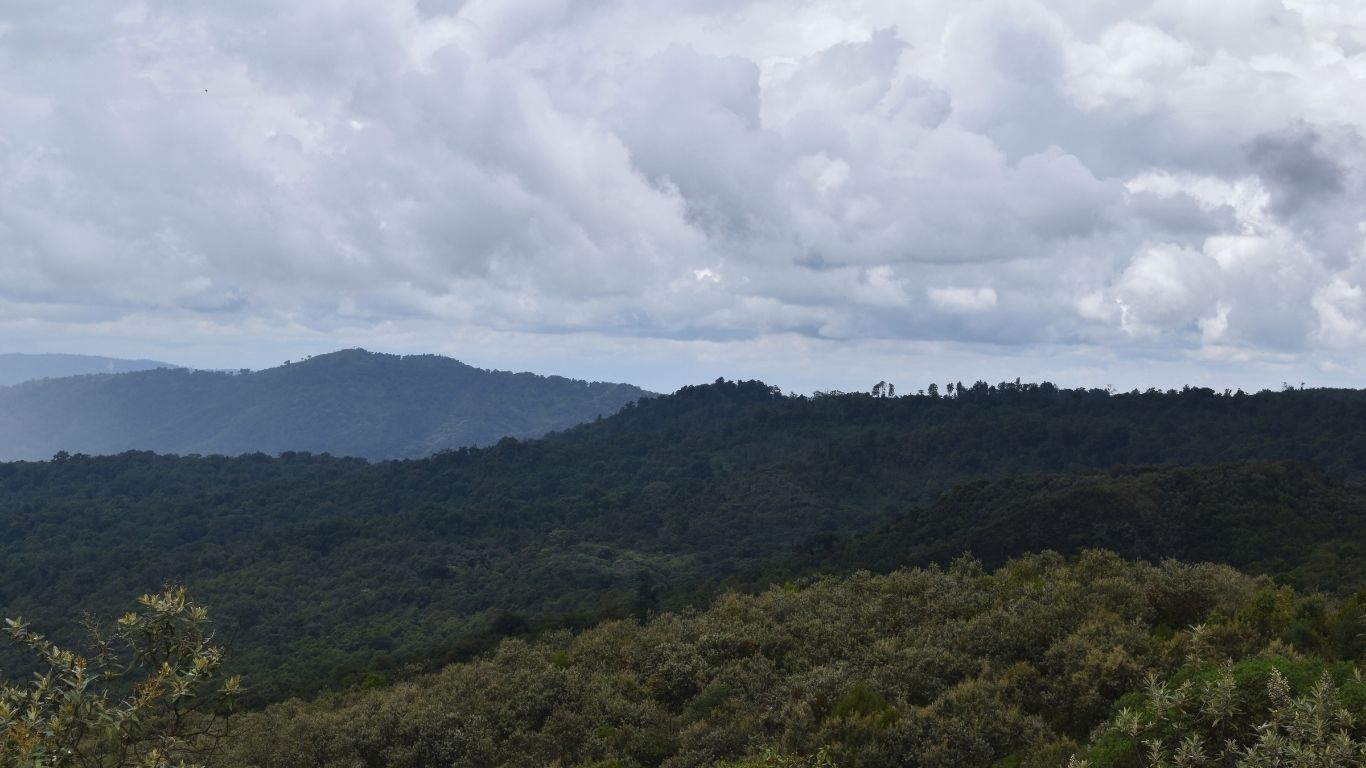
To an outsider the forest appears silent and ancient. But to Daniel Maina Wamwangi, a beekeeper who has lived along the forest edge most of his life, the landscape now carries a very different meaning.
To him, it sounds like a bank opening.
“The honey follows the mountain,” Wamwangi says, raising his voice over a steady mountain drizzle locals call Gaturuturu.
“Before, we were just looking for food. Now we have a cooperative. Within days of selling the honey, the money is already in your phone.”
He pulls out his mobile phone, describing how payments arrive through the mobile banking platform M-PESA.
“I keep a savings ‘bag’ there,” he says. “It is my insurance against trouble. It is a source of life.”
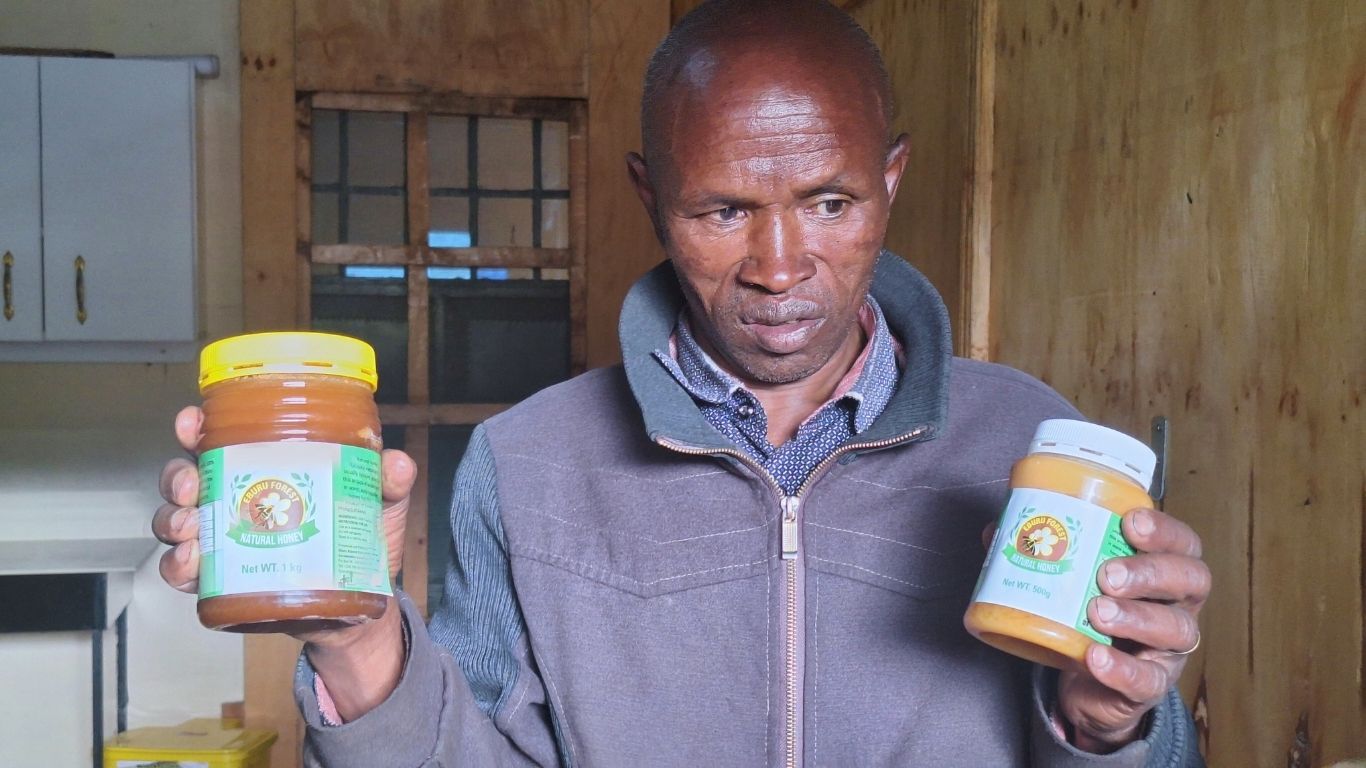
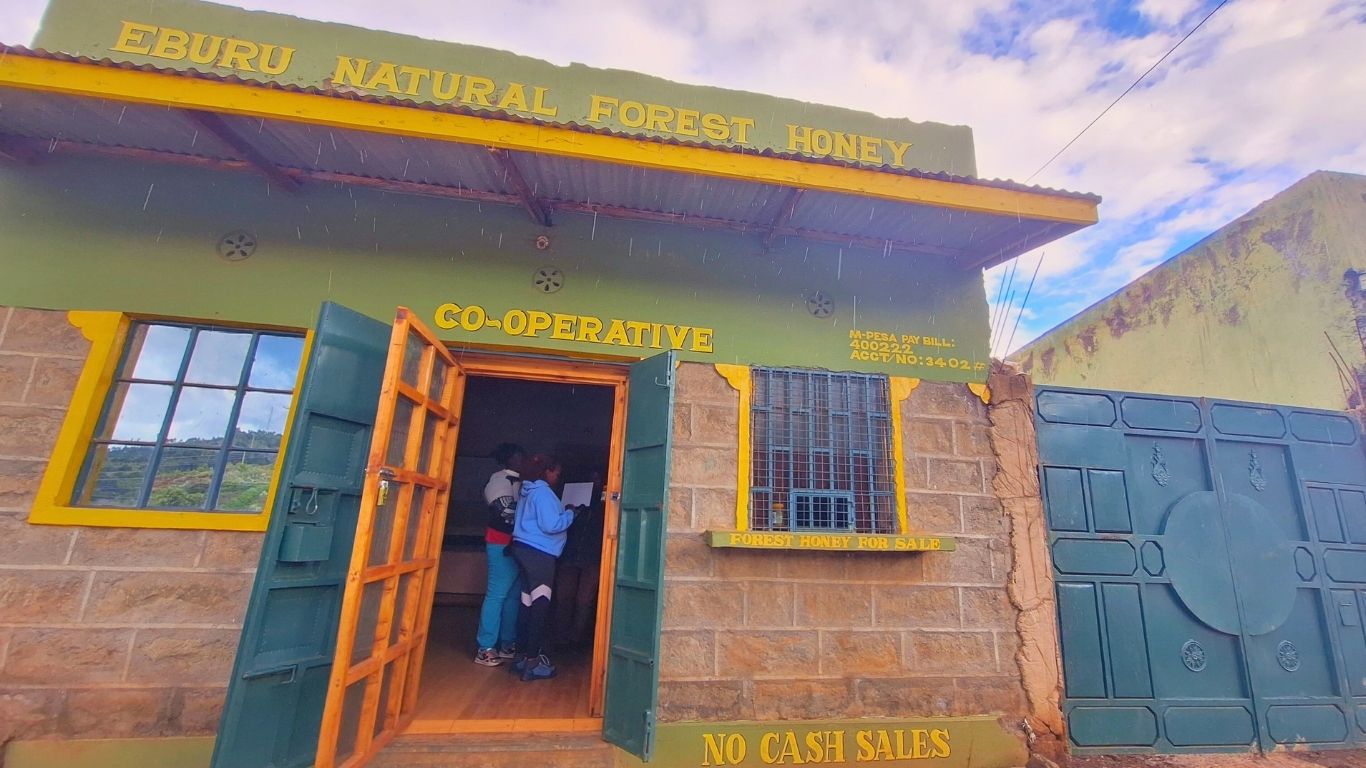
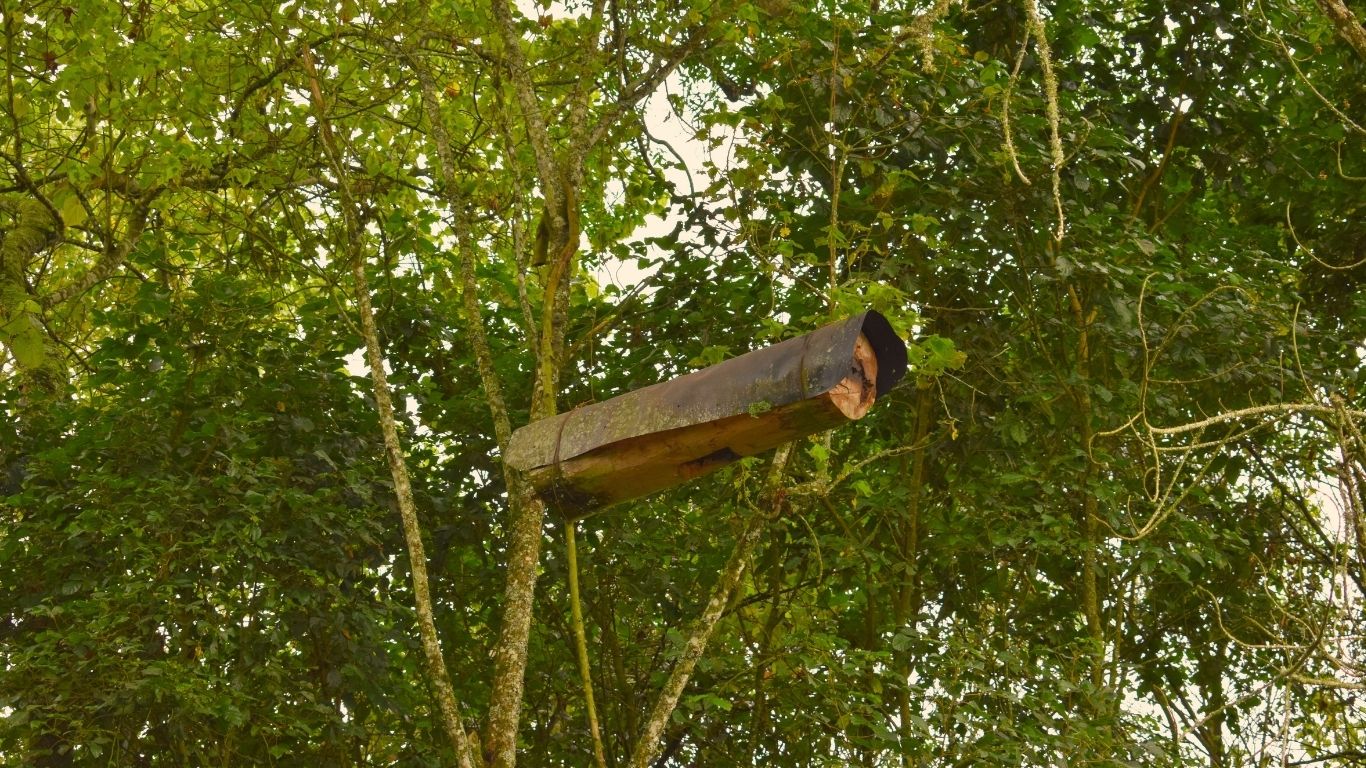
Wamwangi stands outside the Eburru Natural Forest Honey Cooperative, a block shop built by members of the community themselves. Inside, stainless steel processing vats hold honey collected from rows of modern beehives placed beneath indigenous cedar and olive trees. The honey is then processed and packaged into jars ready for sale.
In the forest where the hives are kept, the air hums.
What Wamwangi calls the “Bee Routine” is underway—a seasonal migration that has shaped this ecosystem for centuries. Swarms of African honeybees (Apis mellifera scutellata) move down from the cooler highlands of the Aberdare Range, settling in the indigenous forests of Eburru where flowering plants are abundant.
For the beekeepers of Eburru, the bees have become the foundation of a new forest economy.
The prosperity now emerging around Eburru would have been difficult to imagine two decades ago.
For years the forest suffered a slow ecological decline. Illegal charcoal production hollowed out large sections of the canopy, and tree felling steadily reduced the indigenous forest cover.
Local residents depended on the forest for survival—cutting timber for construction, burning charcoal for sale, and hunting small wildlife for meat.
At the same time, the hydrology of the mountain began to change.
“When people dug wells, sometimes they found only steam,” Wamwangi recalls.
Eburru sits within an active geothermal zone where underground heat pushes steam toward the surface. Without the stabilizing presence of dense forest cover to capture rainfall and mist, groundwater recharge declined sharply.
The turning point came when the conservation organization Rhino Ark Charitable Trust partnered with government agencies and local communities to construct a 43-kilometre electrified fence around the forest block.
At first, many residents feared the barrier would shut them out of a landscape they had depended on for generations.
Instead, it transformed the relationship between the community and the forest.
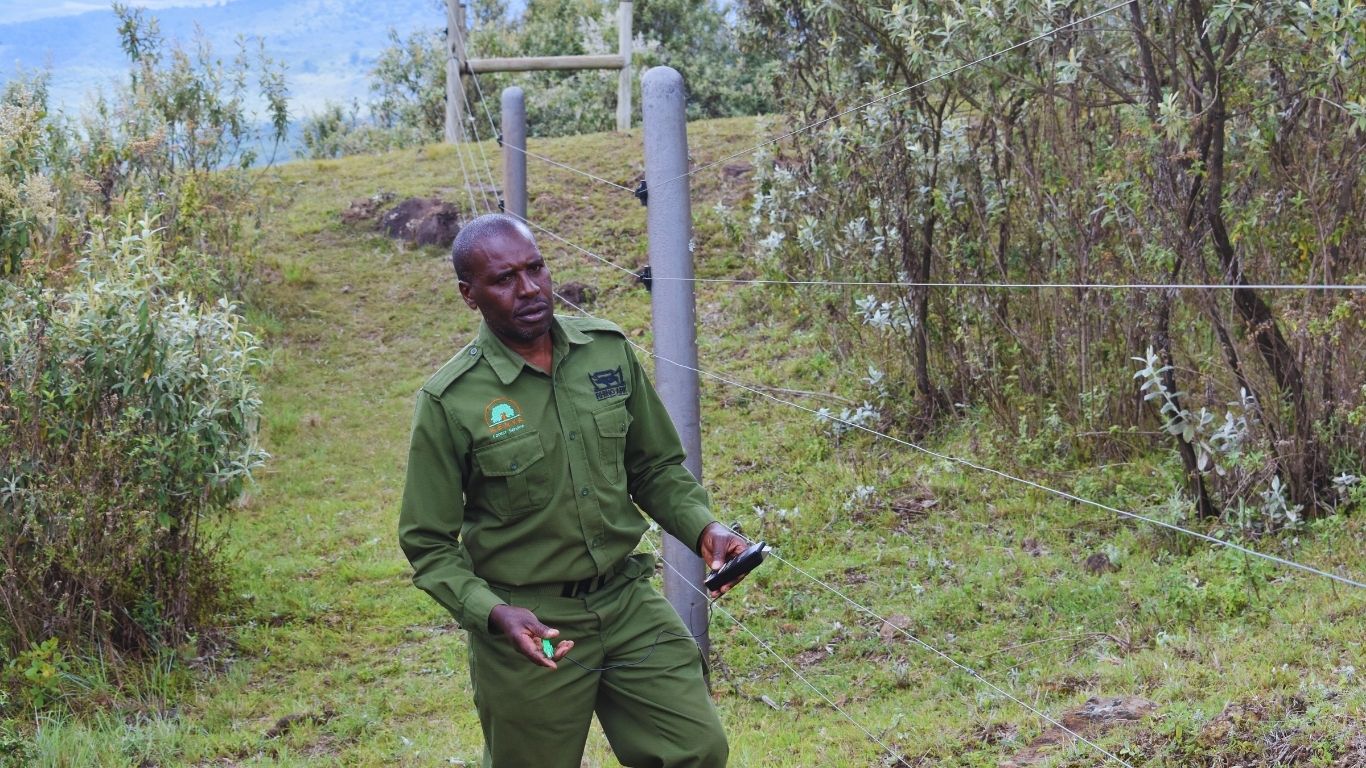
Completed in stages over several years, the electrified fence now protects Eburru Forest from illegal logging, charcoal production, and livestock encroachment.
The impact was immediate.
With the indigenous forest recovering, the mountain’s natural water cycle began to stabilize. Trees captured moisture from passing clouds and mist, slowly releasing it back into underground aquifers.
But the most visible economic change appeared not in streams or boreholes, but in the beehives.
“When we started, we were selling only small amounts,” Wamwangi says.
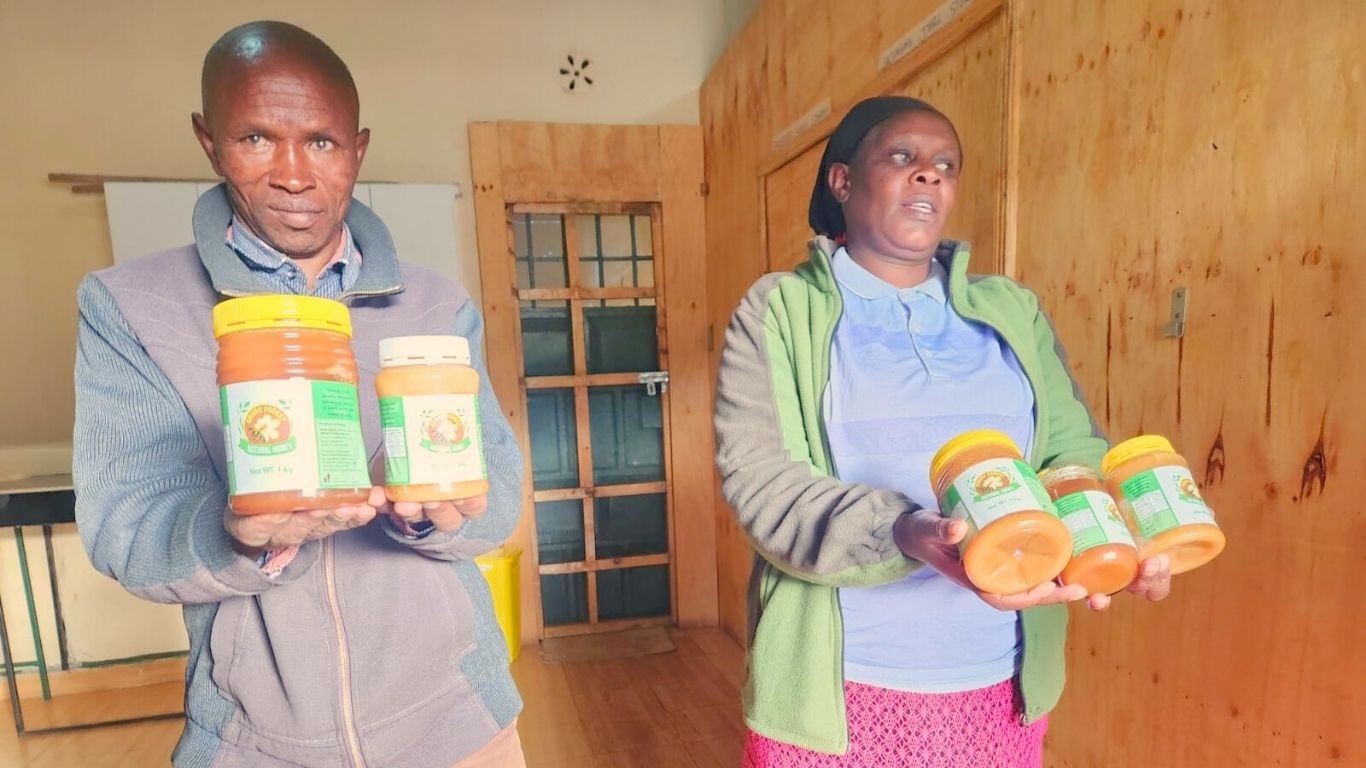
Today the cooperative runs its own value chain — harvesting, processing, packaging and distribution — under the brand Eburru Natural Forest Honey.
The group, which brings together beekeepers from Ndabibi, Eburru and Kiambogo, supplies nearby towns and roadside markets along the Nakuru–Nairobi highway, where a kilogram of forest honey can sell for up to 600 shillings.
“It’s a one-stop shop now,” Wamwangi says proudly. “From production to labeling to distribution—it’s all ours.”
For conservationists working in the region, honey is only the beginning.
Joseph Mutongu, a community engagement officer with Rhino Ark Charitable Trust, gestures toward the farms stretching across the valley below the forest.
“The bees are not only helping the forest,” he says. “They are helping the farms.”
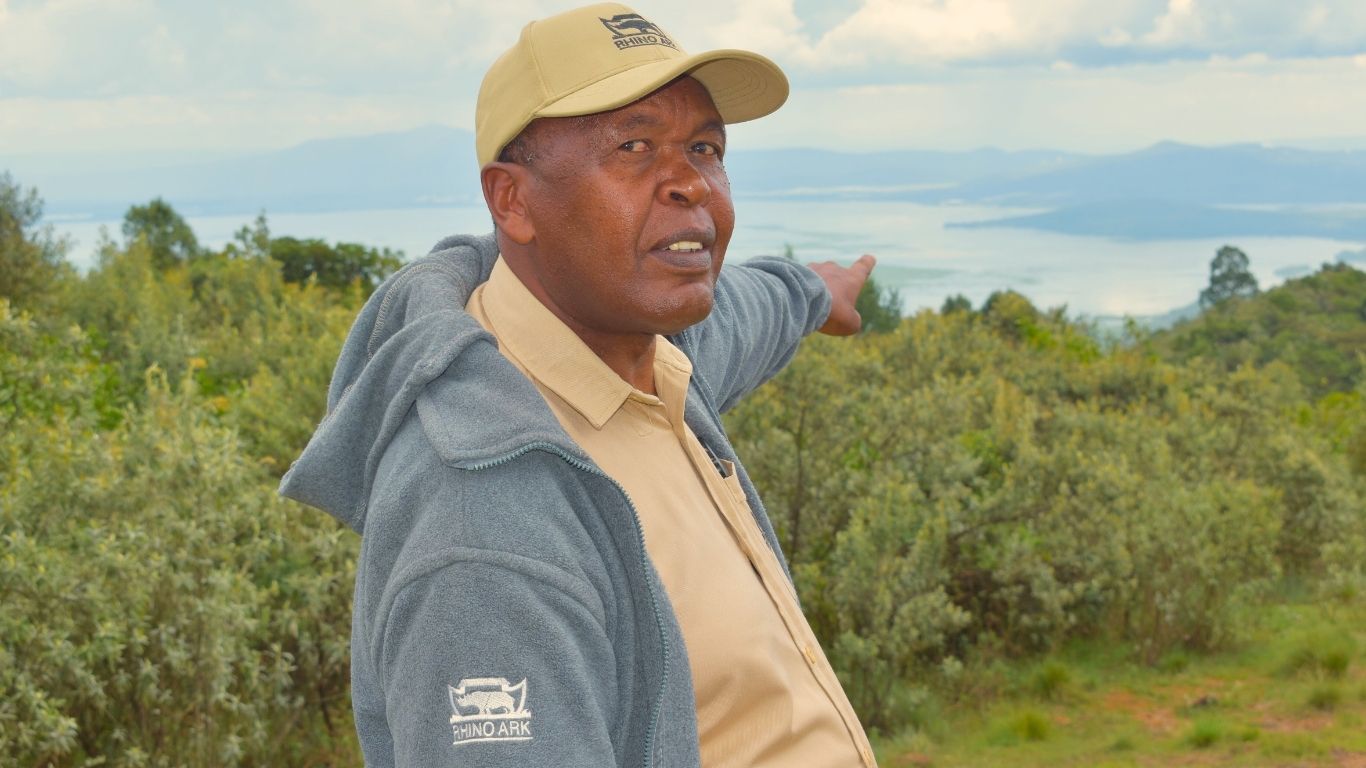
Pollination by bees has significantly improved agricultural productivity in surrounding communities.
“Before the fencing, many farmers harvested just one crop a year,” Mutongu says. “Now some are harvesting three or four.”
Improved water availability has also transformed farming conditions. Recharged groundwater systems now support irrigation and livestock production across the region.
The impact is visible across the broader Naivasha basin, where commercial agriculture has expanded rapidly.
Large flower farms—part of the country’s export horticulture industry—operate throughout the region, employing thousands of workers. Smallholder farmers have also diversified into greenhouse tomatoes, pyrethrum cultivation, and dairy farming.
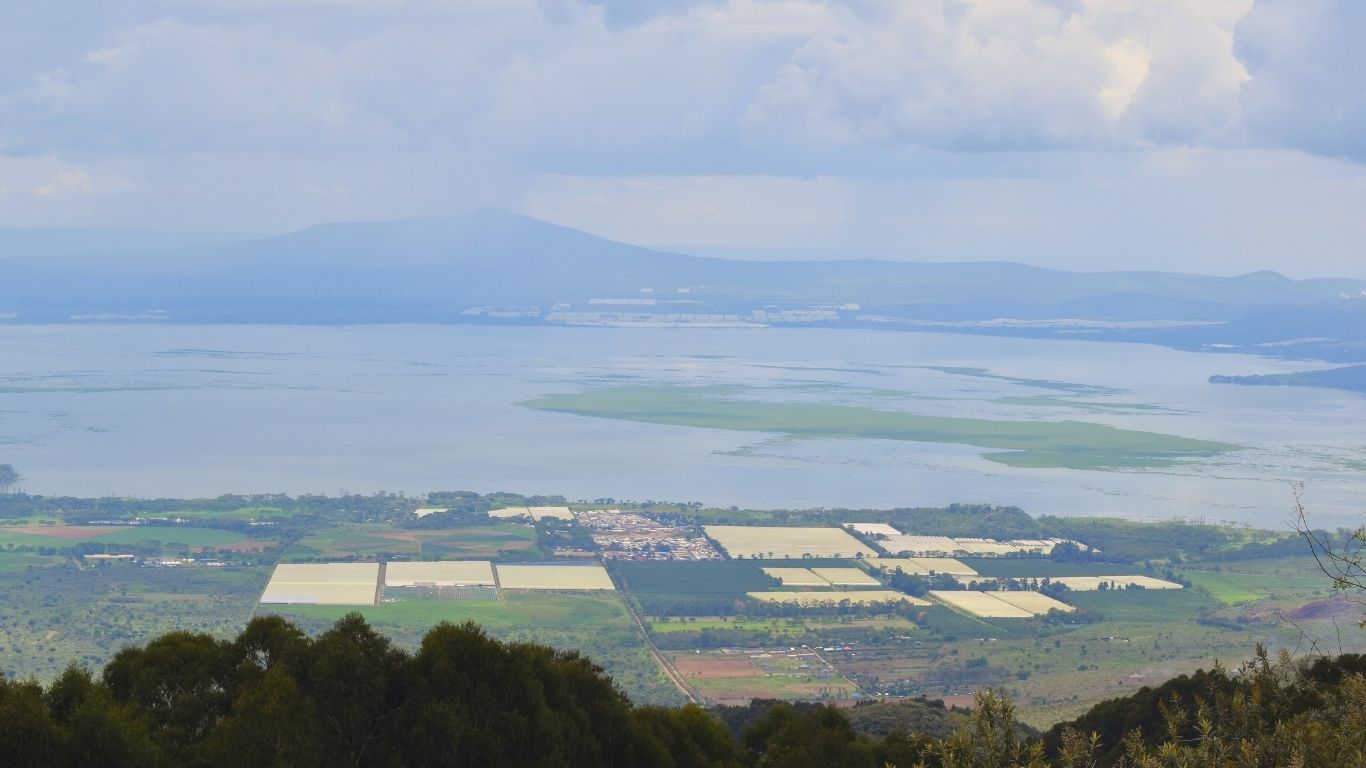
For many households, these opportunities have replaced the destructive charcoal economy that once dominated the forest edge.
Ecologically, Eburru plays a critical role within the wider Mau ecosystem. As one of the forest blocks that form the Mau Complex, the mountain functions as a natural water tower for parts of the Rift Valley.
Its dense forest canopy captures rainfall and mist, allowing water to seep slowly into the volcanic soils below. This process recharges underground aquifers that feed streams and rivers flowing into the Naivasha basin, including the Malewa River — a key water source for communities and farms across the region.
Hydrologists from the Water Resources Authority describe the system as a form of natural hydrological regulation. The volcanic soils, held together by deep indigenous root systems, act like a biological dam — trapping moisture, slowing surface runoff, and releasing water gradually into groundwater reserves and river systems, even during prolonged dry periods.
While the bees support the region’s agriculture, birds play an equally important role inside the forest itself.
Mutongu pauses along a forest path as a distinctive call echoes through the canopy.
“Hear that?” he says quietly.
“That’s Hartlaub’s turaco.”
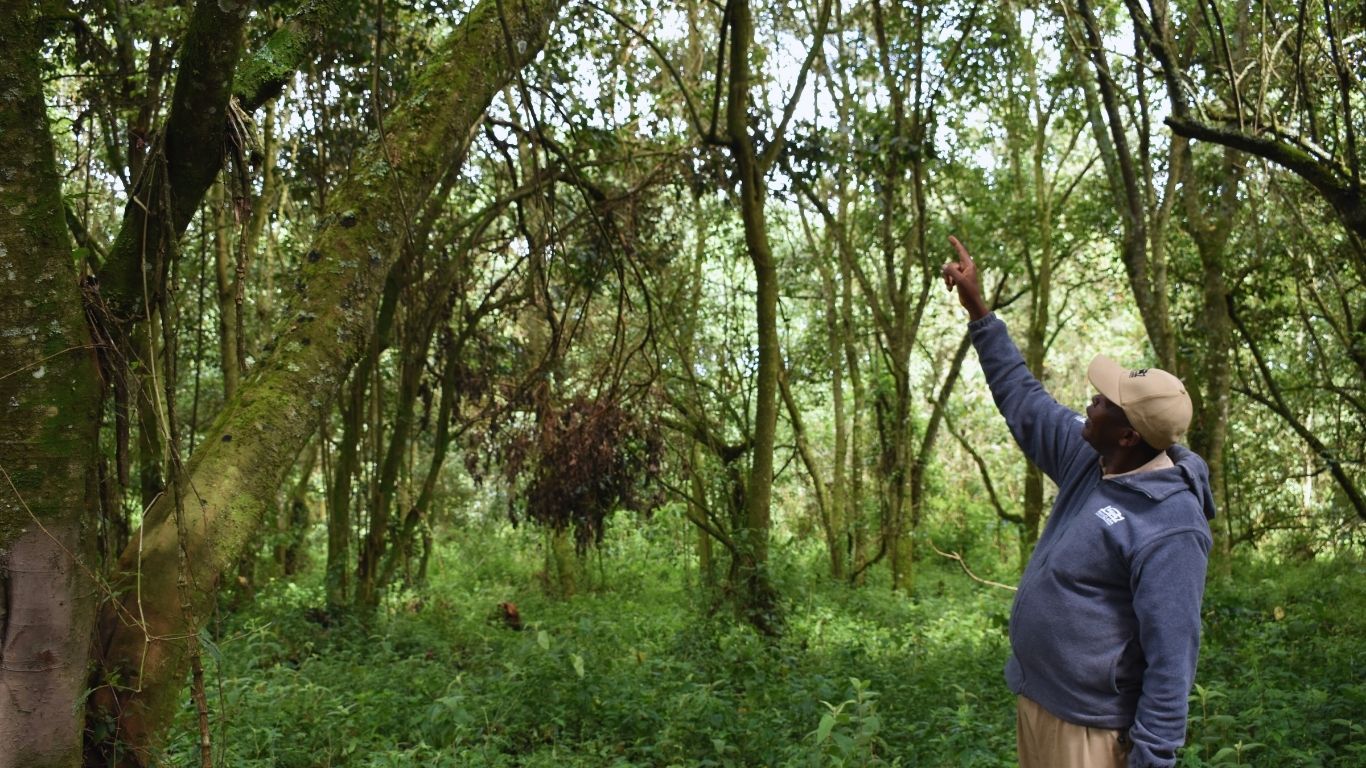
The bird’s green body blends almost perfectly into the forest until it takes flight, revealing flashes of red in its wings. For conservationists, species like the turaco are more than a visual spectacle. They are key agents of forest regeneration.

Many forest birds feed on fruits and berries, carrying seeds across large distances before depositing them through digestion. Scientists call this process endozoochory—seed dispersal through animals.
Research by National Museums of Kenya and Nature Kenya shows that birds such as turacos and hornbills play a vital role in spreading seeds of indigenous trees including Juniperus procera (African pencil cedar) and Podocarpus species.
Without these natural seed dispersers, forest regeneration would slow dramatically.
Community conservation groups in Eburru have begun documenting these bird populations. Local volunteers track species sightings and have helped produce a guidebook identifying more than forty bird species found within the forest block.
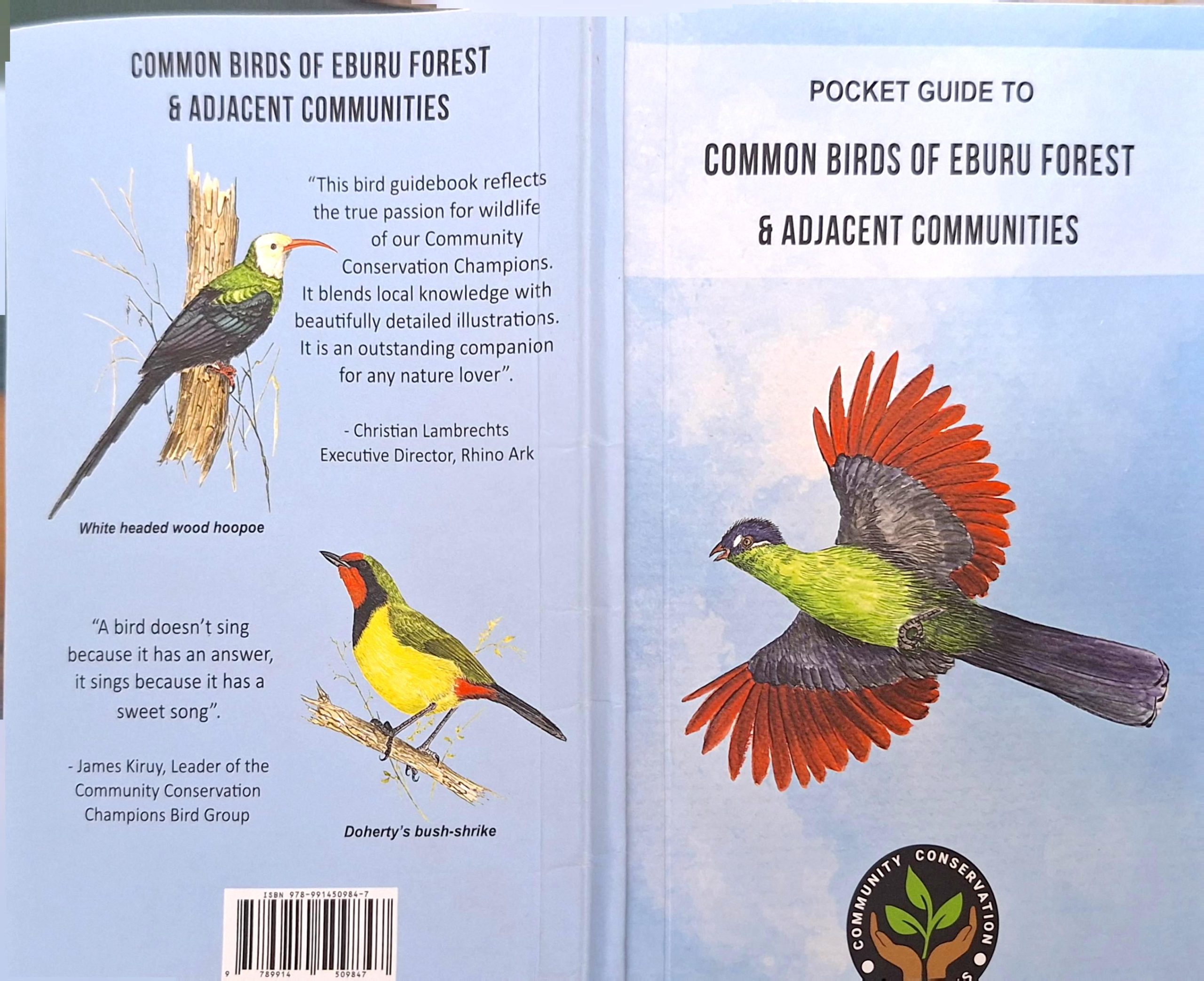
This growing body of local ecological knowledge is now supporting a small but expanding tourism industry.
As the forest recovers, wildlife has begun returning as well.
High in the branches, a black-and-white colobus monkey moves silently between trees. The primates are considered indicators of healthy indigenous forests because they depend on mature tree canopies.
Birdwatchers visiting Eburru now come in search of species such as the bar-tailed trogon and the crowned eagle.
For the community, wildlife sightings are no longer just curiosities. They are economic opportunities.
Guided birdwatching tours, forest hikes, and ecological education visits have begun bringing small groups of visitors into the area.
Eburru’s volcanic geology adds another unusual dimension to the emerging nature-based economy.
Beneath the forest lies part of Kenya’s geothermal system, which produces the underground steam used to generate electricity in several Rift Valley power stations operated by KenGen.
In certain parts of the forest, steam vents rise naturally from the ground.
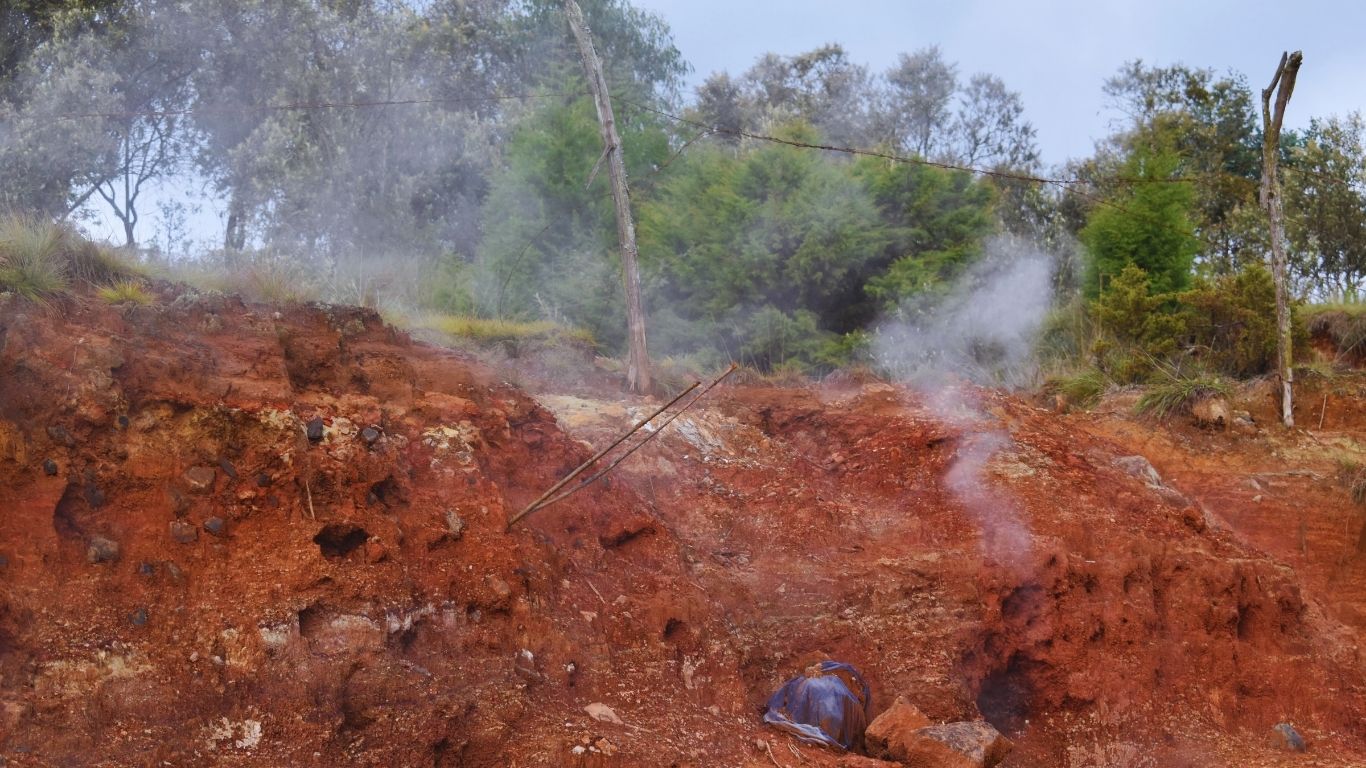
Some local tourism operators have begun exploring ways to incorporate these geothermal features into eco-tourism experiences, including natural steam baths and wellness retreats.
Combined with birdwatching and forest hiking, the geothermal landscape adds a distinctive attraction for visitors seeking outdoor experiences.
Perhaps the most profound transformation in Eburru is social rather than ecological.
Community members who once relied on cutting trees or burning charcoal now play a central role in protecting the forest.
Local residents help patrol the fence boundary, monitor illegal activity, and respond quickly to fires during the dry season.

Wamwangi told Kass Media that revenue from honey production has helped families build permanent homes and contribute to cooperative savings schemes that support members during difficult months.
Inside the cooperative shop, a woman carefully labels glass jars of honey while explaining the difference between the darker “bitter” forest honey and the lighter varieties harvested earlier in the season.
The cooperative shop receives a trickle of customers, from locals and visitors eager to taste the forest’s latest gold.
For the people of Eburru, the forest is no longer simply a resource to be extracted.
It has become a living asset.
The steady drizzle, Wamwangi says, is a good sign. It means the forest is doing its work.
“People cannot live without their land,” Wamwangi says as another payment notification chimes on a nearby phone.
“And this money? It is enough for us.”
As evening mist settles over the ridgeline, the forest grows quiet again.
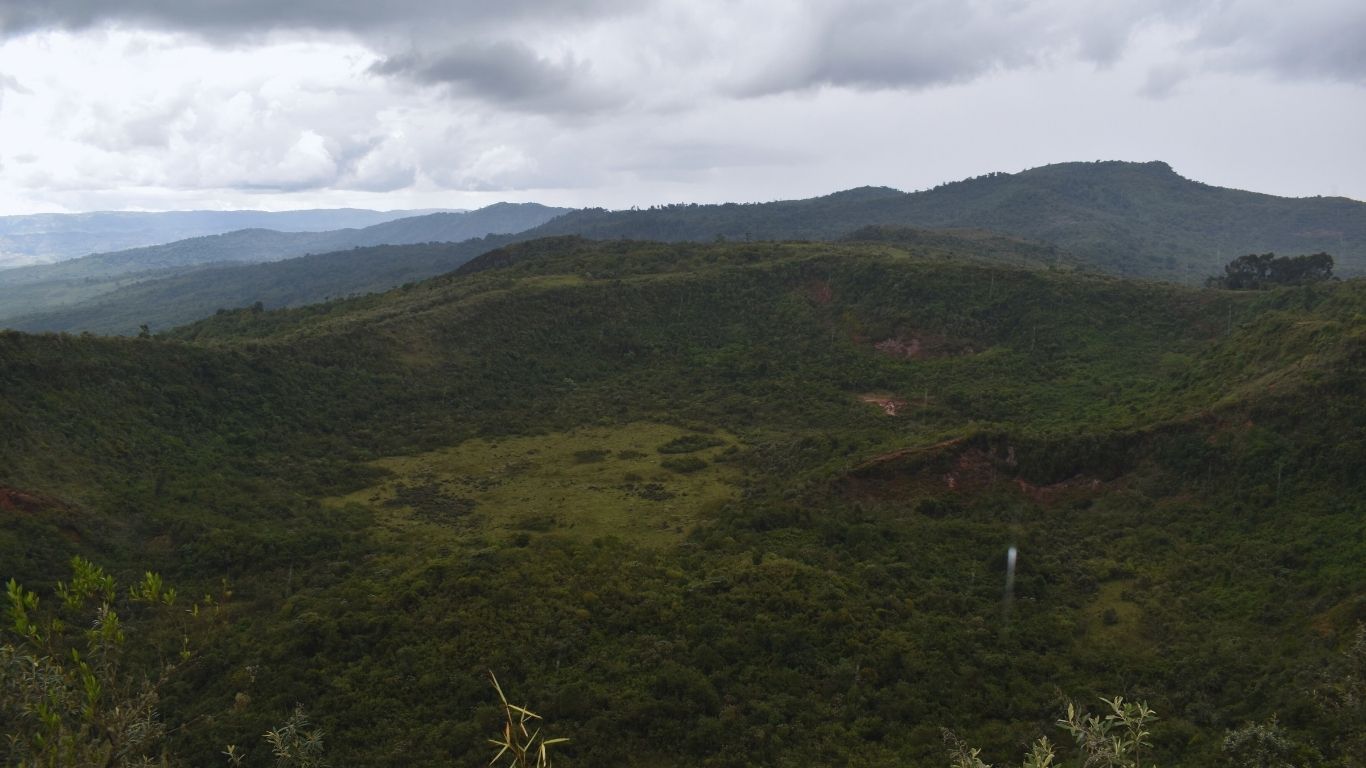
For the people of Eburru, the restored forest is no longer something distant or controlled by outsiders.
It is their bank.