Kenya secures KES 65.8bn AfDB financing as Nairobi leans into concessional debt
By Chemtai Kirui | 24 February 2026 | Nairobi, Kenya

The treasury has secured KES 65.8bn ($509m) in financing from the African Development Bank (AfDB), reinforcing the government’s reliance on multilateral concessional funding as debt servicing pressures tighten fiscal space.
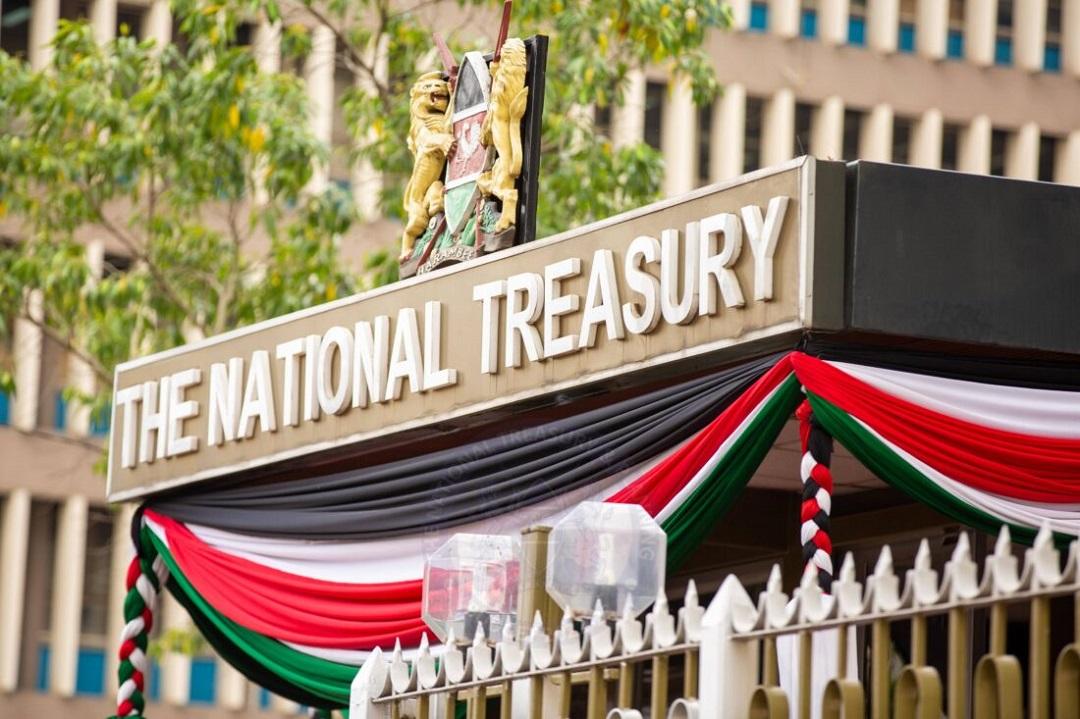
The facility was confirmed following meetings at the National Treasury between principal secretary Chris Kiptoo and Alex Mubiru, the AfDB’s director-general for East Africa, marking the start of a joint technical mission reviewing the bank’s 2024–2028 Country Strategy Paper for Kenya.
The Treasury said the financing will support priority interventions in health, water and road infrastructure, and power transmission networks, while also focusing on improving project implementation through strengthened portfolio reviews.
The latest commitment comes days after the country raised KES Sh292 billion ($2.25bn) in international markets through a dual-tranche Eurobond aimed at refinancing maturing external debt. Those bonds priced at yields of up to 8.95 per cent, underscoring the higher cost of commercial borrowing.
By contrast, concessional financing from the AfDB’s soft-lending window, the African Development Fund (ADF), typically carries interest rates of around 1 per cent and maturities of up to 30 years. Multilateral loans now form a significant share of Kenya’s external debt stock, offering longer tenors and lower servicing costs than market-issued debt.
Public debt stands at approximately KES 12tn, equivalent to about 70 per cent of gross domestic product. Interest payments absorb roughly 48 per cent of ordinary revenue, limiting the government’s room to finance development spending through domestic resources.
The AfDB is among Kenya’s largest multilateral creditors, alongside the World Bank, and has played a central role in infrastructure and social sector financing. The current package signals continued institutional backing at a time when the administration is seeking to contain refinancing risk and moderate borrowing costs.
While the financing provides cheaper capital, disbursement efficiency remains a structural constraint.
In the seven months to January 30, 2026, development expenditure reached KES 167.8bn against a target of KES 407.1bn, reflecting an absorption gap of more than 50 per cent. Treasury officials say the mid-term review will prioritise portfolio performance, procurement timelines and project readiness.
Pending bills owed to contractors — estimated at KES 606bn — have further complicated project execution, prompting a KES 255bn payment plan aimed at restoring private sector liquidity.
The AfDB-backed projects include support for power transmission upgrades, geothermal generation at the Menengai field, and higher education infrastructure under the HEST II programme, which targets expanded laboratory capacity in public universities.
The concessional package provides longer-term relief relative to commercial borrowing, but it does not materially alter the broader fiscal arithmetic.
Ordinary revenue collections fell KES 115bn below target in late 2025, heightening pressure on the Treasury to improve tax performance while containing recurrent expenditure. Counterpart funding requirements for externally financed projects remain a constraint if revenue underperformance persists.
“Development cannot be measured by disbursements alone,” Mr Mubiru said at the close of the technical mission. “Its truest measure is found in opportunities widened and dignity restored.”
The concessional inflow may ease immediate refinancing pressures, but sustained fiscal stability will depend on revenue performance and the government’s ability to convert approved financing into delivered projects.