
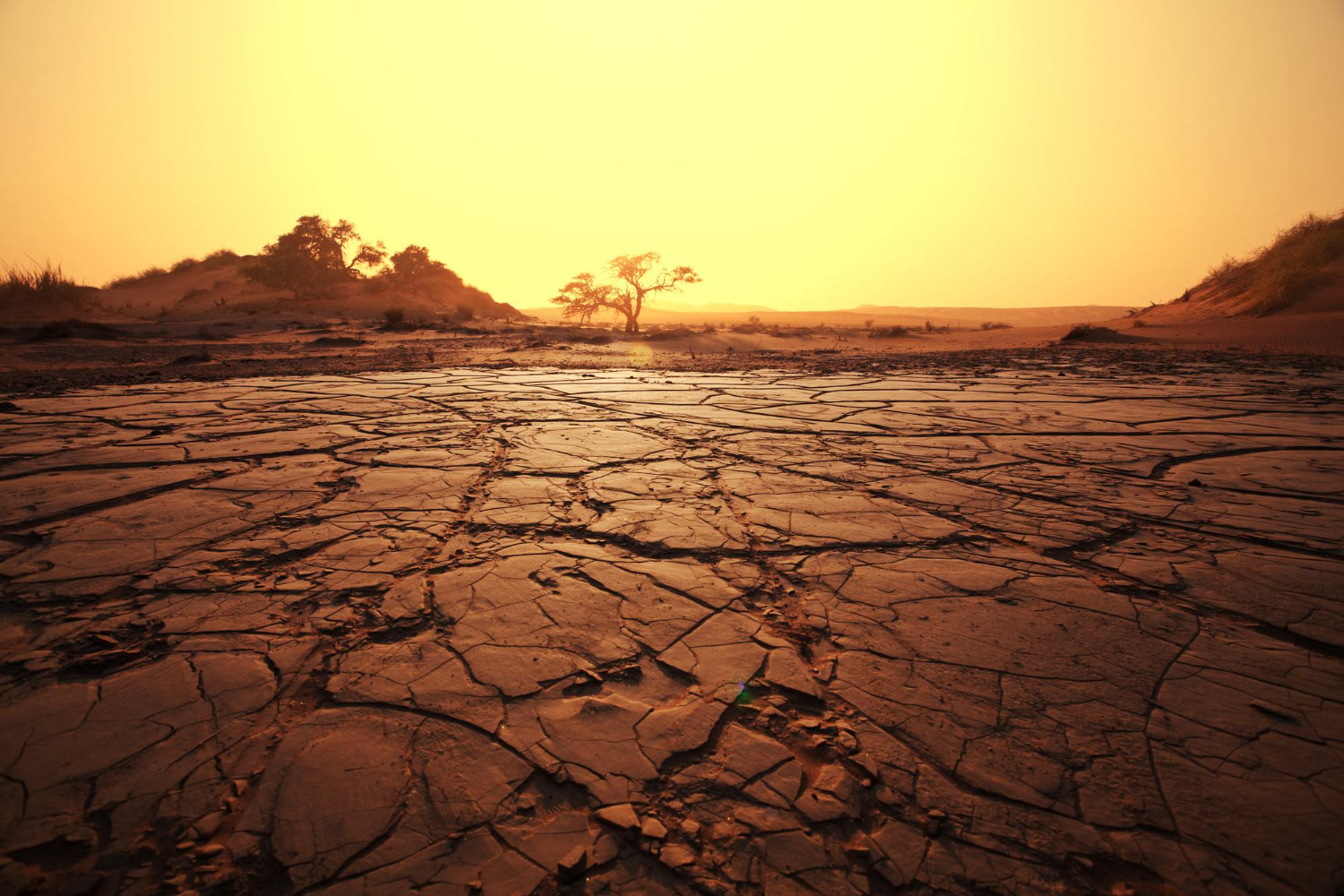
Drought Pushes Millions Toward Hunger as Short Rains Fail Across the Country
By Chemtai Kirui
Nairobi, Feb 10 — More than two million people are struggling to meet basic food needs after failed rains left large parts of the country without pasture and water, worsening drought conditions in arid regions, government agencies and humanitarian organizations say.
The impact has been most severe in pastoralist areas, such as Mandera, Wajir, Garissa, Turkana, Marsabit, Kajiado and other arid and semi-arid lands (ASAL) counties, where livestock deaths, water shortages and rising malnutrition have intensified pressure on households that depend on animals for food and income.
The situation follows an exceptionally poor short rainy season between October and December 2025, during which many areas received only 30 to 60 per cent of the long-term average rainfall, according to the National Drought Management Authority (NDMA), which described it as the driest short rains since 1981 in parts of the country.
The lack of rain curtailed vegetation growth for crops, depleted pasture for livestock, and failed to replenish rivers, water pans and boreholes, undermining food production, livestock survival and household water security, NDMA said.
Government and aid agency assessments show that the drought has eroded livelihoods across ASAL regions, forcing pastoralists to travel longer distances in search of water and grazing land.
In Kajiado County, local administrators said herders had suffered significant livestock losses, with weakened animals producing little milk and families selling cattle at depressed prices to buy feed.
NDMA data show that about 1.8 million people were already food insecure in arid and semi-arid counties by the end of 2025, a figure officials say is likely to rise if drought conditions persist.
Deputy President Kithure Kindiki said the government had reviewed drought response measures and would spend an estimated 4 billion shillings a month on mitigation efforts to support about 3.3 million people across 23 affected counties.
The interventions include food distribution, water provision and livestock support, he said, appealing to development partners for an additional 2 billion shillings to scale up relief operations.
“The government will do everything possible and mobilize the necessary resources to ensure affected communities have sufficient food, water and medical supplies,” Kindiki said, adding that county drought steering committees would be fully activated to improve coordination and delivery.
Hunger and water scarcity remain most acute in northern and eastern counties, where traditional pastoralist livelihoods have been hardest hit.
Government nutrition screening reports show rising malnutrition rates, particularly among children and pregnant women, local health officials said.
The effects extend beyond pastoral regions.
Families in marginal farming areas such as Kilifi and Kwale have also reported crop failures and depleted water sources, compounding household food insecurity. Humanitarian agencies say demand for food assistance and clean water has increased in these areas.
Climate scientists say the situation reflects broader weather patterns marked by below-average rainfall and higher-than-normal temperatures, which have intensified drought impacts and increased pressure on food systems, grazing lands and public health services.
The Red Cross and other aid agencies have expanded emergency response measures, including water trucking, nutrition screening and cash support, while government and development partners assess longer-term resilience options such as irrigation and water storage infrastructure.
As communities await the March–May long rains, experts warn that drought conditions could worsen further, leaving millions vulnerable to hunger, malnutrition and water shortages unless relief efforts and adaptation measures are scaled up.