From 1000 Dreams to Opportunities: How KCB Foundation’s Scholars Programme Opens Doors to Education
By Egadwa Mudoga
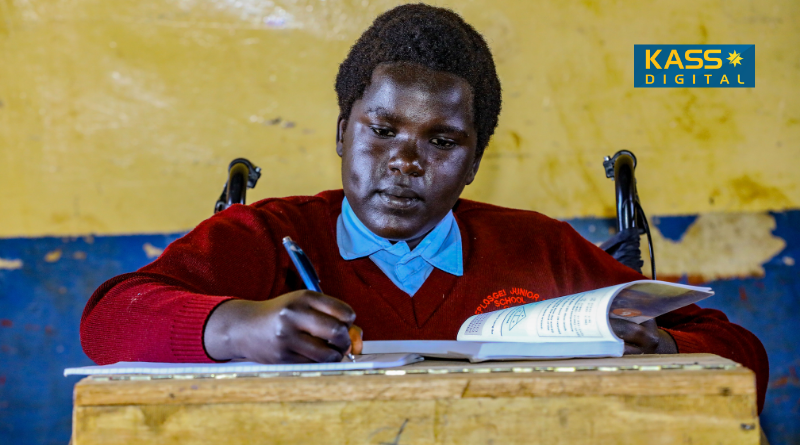
For 15-year-old Valentine Kemboi from Cheplosgei Village in Uasin Gishu County, paralysis from a debilitating illness in 2019 threatened to cut short her primary education, limiting school to twice weekly due to high costs of pampers and motorbike transport. With a meagre income and other children to take care of, her mother struggled to sustain Valentine’s education.
Despite this irregular school attendance, Valentine scored 52 out of 72 in the 2025 Kenya Junior School Education Assessment (KJSEA), defying the limitations that life accorded her.
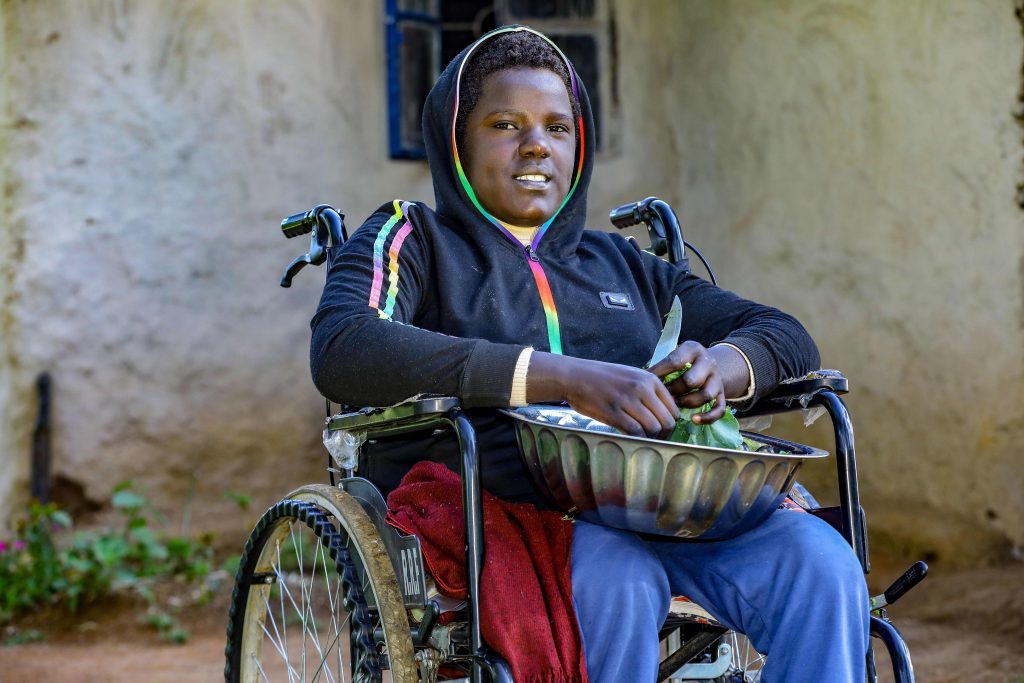
“My dream is to become a doctor,” she says, soon after the news broke of her exemplary performance.
A similar story obtains Grace Akinyi from Nyalenda informal settlement in Kisumu County. Raised by her disabled grandmother after her mother’s death, Grace endured untold hardships and often went to school without food and with threadbare uniform.
“I have passed through a lot of hardships like going to school without food. My grandmother was a businesswoman, but she got an accident; she could not do any business.”
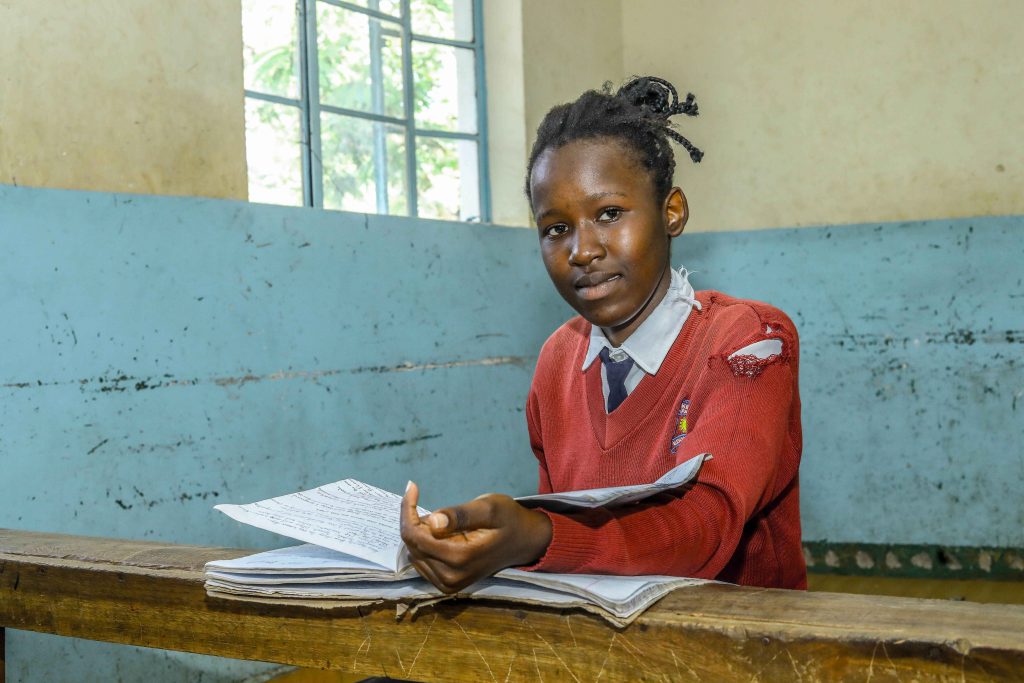
Despite these hardships, Grace scored 61 out of 72 points in her KJSEA. Like Valentine, she aspires to become a doctor.
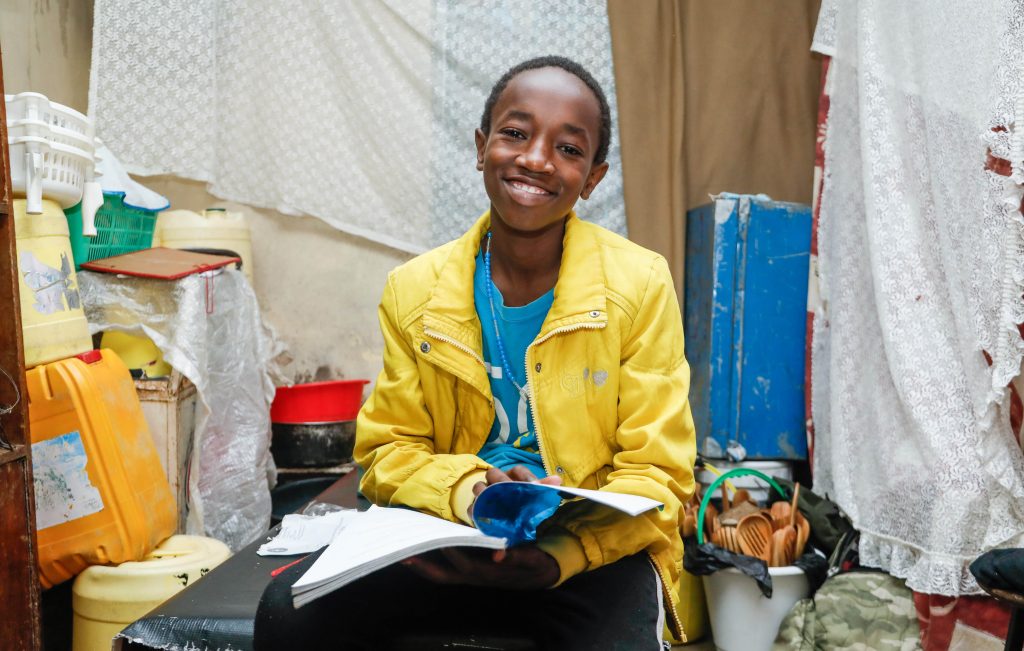
Stephen Mbuya from Kayole in Nairobi’s Eastlands area shares a single room with his mother and two younger siblings. His mother has struggled to sustain him in school despite Stephen’s academic gift that led him to score 54 out of 72 marks in KJSEA. Inspired by his uncle, Stephen aspires to pursue aviation.
The power of opportunity
Valentine’s, Grace’s and Stephen’s situations represent the fate of millions of other students in Kenya who are unable to proceed with their secondary education for lack of school fees. For the trio, however, they no longer must worry about pursuing their education as they are now part of the 1,000 students who have received a scholarship opportunity to pursue their secondary education, courtesy of the KCB Foundation.
The programme selects 1,000 students each year from Kenya’s 47 counties. For the 2026 cohort, beneficiaries receive holistic support extending from Grade 10 through university, including termly transport, shopping, pocket money, and psychosocial care. Since inception, it has uplifted over 6,800 students, transforming education from a distant dream into a tangible pathway for vulnerable youth.
“This year we celebrate the admission of over 1,000 scholars who are being admitted into the 2026 cohort,” says Mendi Njonjo, Director of the KCB Foundation, while officiating the official flag off of the programme.
Of the 2026 cohort, 120 of the slots were reserved for the niche groups, including teen mothers, persons living with disabilities, and learners affected by harmful cultural practices such as female genital mutilation.
According to Njonjo, the award of the scholarships underscores KCB’s long-term vision. “Since establishing the foundation in 2007, the KCB Foundation has adopted the UN Sustainable Development Goals, positioning education as a bridge to opportunity. We are giving opportunities to those candidates that have been traditionally excluded.”
Transparency and governance
Njonjo speaks about the transparency and fairness of the selection process. “The selection is rigorous. The process starts right at the release of the KJSEA results, where the Foundation calls for applications from qualified students nationally. After initial interviews are held at 58 locations across the country, the shortlisted candidates are subjected to further verification of need through home visits.”
“It is through the home verification that the selection panels understand the real circumstances behind the applications,” Njonjo adds.
The countrywide process is coordinated at the KCB branch level where staff immerse themselves in selecting the most deserving students. Staff also double up as mentors, in a programme designed to provide psychosocial support for the scholars.
Financing the programme
How does the bank finance the scholarships? According to KCB Group Director for Marketing and Communications, Rosalind Gichuru, the bank sets aside 1.5% of its Profit Before Tax (PBT) towards supporting the impact programmes that are delivered through the KCB Foundation.
Gichuru reflects on the objective of funding. “Through this commitment, we give scholarships to the brightest and most needy students from high school through to tertiary. Their work is to make sure they deliver academic performance and emerge from the programme as well-rounded citizens with a clear sense of purpose and belief in their potential.”
Student athlete scholars
For 2026, the programme has expanded its reach by offering full secondary school scholarships to talented, underprivileged young athletes in Kenya. One of these budding athletes, Bramwell Chasala from Namunyiri Village in Kakamega County, has represented Kenya East Africa Games, bringing home medals despite limited resources. He specializes in the 100m and 200m sprints.
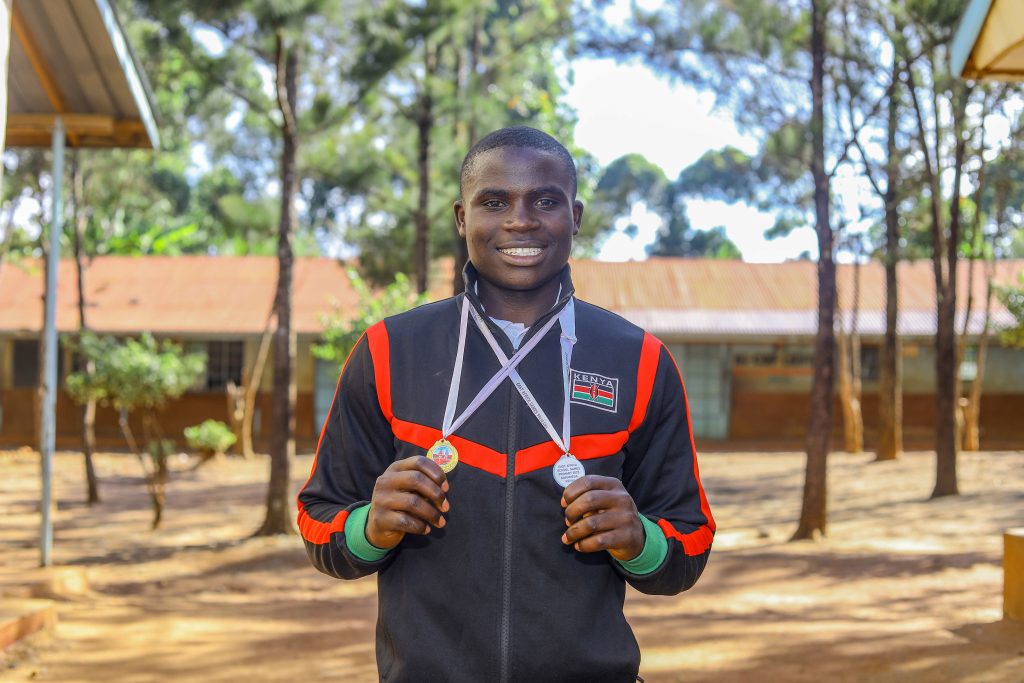
He reflects on the opportunity he has received to pursue his passion. “In my family we are not well off, we struggle to make a living. With this scholarship, I hope to chase my dream of becoming an Olympic champion like my idol, Usain Bolt. I also want to build a better home for my mother.”
Chasala is among the 75 new student-athletes in the 2026 cohort, bringing the total number of student athletes supported from 2024 to 125.
Legacy and impact
Njonjo is optimistic about the legacy and impact of the programme. “The scholarship program was set up because we knew if you want to intervene in a community, the ability to have a student access education turns out to be not just important for the students, but also for their family and even more importantly for the community.”
“It’s something we’re particularly proud of because if you look at our statistics, about 99% of the students who we start with in Form One will finish high school,” Njonjo discloses.
Asked about the student’s education after high school, she answers confidently.
“If we start with you in high school, we’ll make sure we stay with you all the way through tertiary as well as university.”