Malindi Court Clears New Charges Against Shakahola Cult Leader Over 52 More Deaths
By Chemtai Kirui
Malindi, Jan 27 — A self-proclaimed preacher at the center of one of Kenya’s deadliest cult-related tragedies is set to face additional charges linked to the deaths of 52 people, prosecutors said.
A Malindi court has given the Office of the Director of Public Prosecutions (ODPP) approval to formally charge Paul Nthenge Mackenzie, leader of the Good News International Church, over killings linked to a remote homestead in Kwa Bi Nzaro village, Kilifi County.
The move extends the criminal case against Mackenzie, who is already in custody and has pleaded not guilty to multiple counts of manslaughter and other offences connected to the Shakahola Forest mass starvation incident.
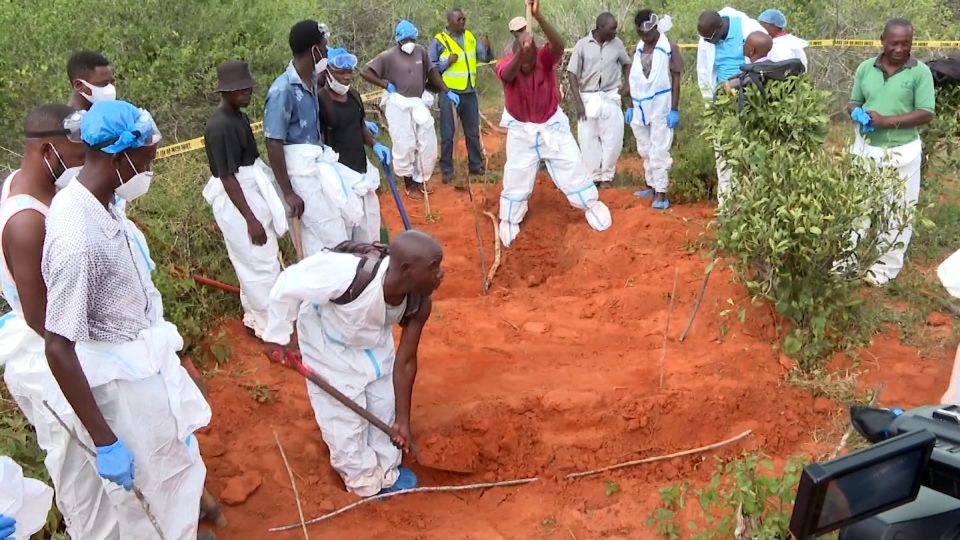
The case first came to light in March 2023, when police investigations in the Shakahola Forest near Malindi uncovered hundreds of shallow graves containing the bodies of followers believed to have starved themselves to death after adhering to radical teachings promoted by Mackenzie.
Investigators say more than 400 deaths were linked to instructions that followers fast in order to “meet Jesus” or escape the end of the world — an apocalyptic belief system attributed to the preacher.
Authorities have since recovered mass graves and continued exhumations in and around the forest, making Shakahola one of the worst cult-related tragedies in Kenya’s history.
In the latest development, prosecutors said the cult’s influence extended beyond Shakahola to Binzaro village, about 30 kilometres from the original site. Remains recovered there are believed to be linked to the same movement, prompting the state to seek additional charges.
The ODPP said Mackenzie and several co-accused will face charges including radicalization, facilitation of terrorist acts and murder in relation to the 52 deaths.
Prosecutors also told the court that investigators recovered handwritten notes from Mackenzie’s prison cell, allegedly detailing transactions and communications that could link him to the crimes.
Residents and rights groups in Kilifi County have warned that more victims may still be undiscovered, citing fears that the cult’s reach was wider and more entrenched than initially understood.
Efforts to tighten regulation of fringe religious groups have remained contentious in Kenya, where freedom of religion is constitutionally protected under Article 32, which guarantees the right to hold, practice and manifest religious beliefs in public or private. Critics argue that weak oversight allowed the cult to operate unchecked for years.
Mackenzie, a former taxi driver, has denied all charges and remains in custody in Mombasa, where the case is expected to return to court as prosecutors continue to build their case.